Thousands of passengers can tolerate a delay.
What they struggle to tolerate is not knowing what happens next.
That is part of the problem facing Thai Airways after intense rain and flooding disrupted ground operations at Bangkok's Suvarnabhumi Airport.
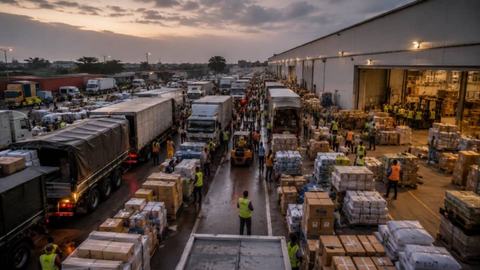
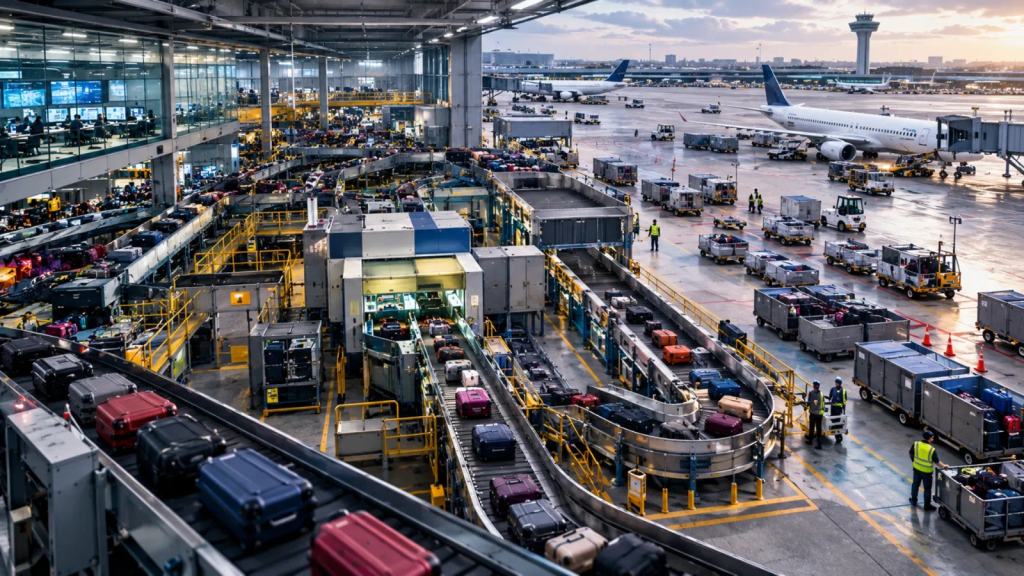
About 5,000 bags from Thai Airways flights remain at the airport.
The airline's chief executive says the company expects to clear the backlog within 72 hours.
The immediate problem is physical.
Bags need to be located, processed and returned to their owners.
But there is another problem that appears whenever a major disruption affects customers.
Communication.
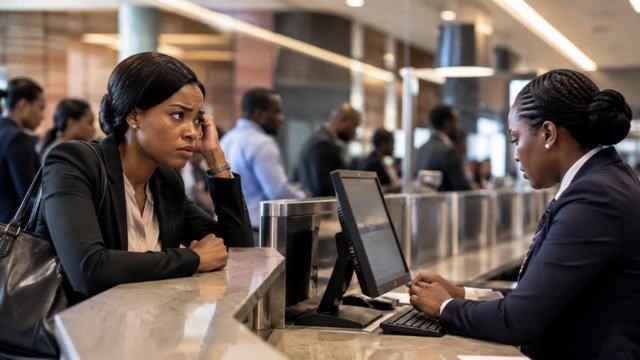
When a flight is delayed, passengers want to know why.
When a bag is missing, they want to know where it is.
When operations are disrupted, they want to know what the company is doing about it.
That creates enormous pressure on customer service teams.
Thousands of customers can suddenly ask similar questions at the same time.
If those enquiries are handled entirely by people, response times can increase rapidly.
Customers become frustrated.
Employees become overwhelmed.
And a problem that began with flooding can turn into a problem of trust and customer experience.
This is not unique to airlines.
A bank can experience a system outage.
A retailer can have delivery problems.
A logistics company can lose access to a distribution centre.
A technology company can suffer an unexpected service interruption.
In every case, customers need information.
The companies that handle disruption well are not necessarily the companies that experience fewer problems.
They are often the companies that have better systems for responding when problems occur.
Auxi Sherpa with its customer support automation and AI business automation systems helps businesses manage large volumes of enquiries, provide timely responses and keep customer communication organized when normal operations are disrupted.
Automation does not remove the need for human support.
It helps businesses deal with the repetitive questions and routine communication so their teams can concentrate on the cases that require personal attention.
The Thai Airways situation is a reminder that operational resilience is not only about keeping a business running.
It is also about keeping customers informed when something goes wrong.
Because customers may forgive a disruption they cannot control.
What they find much harder to forgive is being left without answers.
If you have an article, opinion piece, event or news story you would like published, Global News Arena would love to hear from you.
Send an email to advertise@globalnewsarena.com.