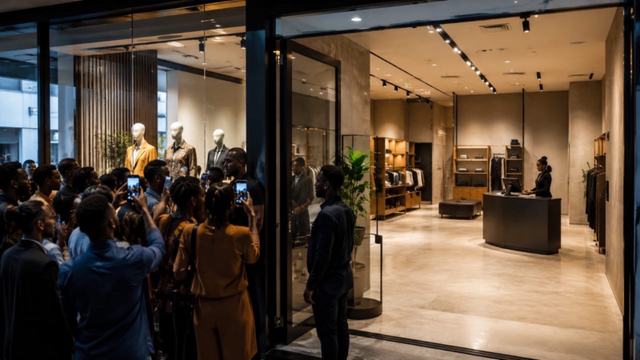
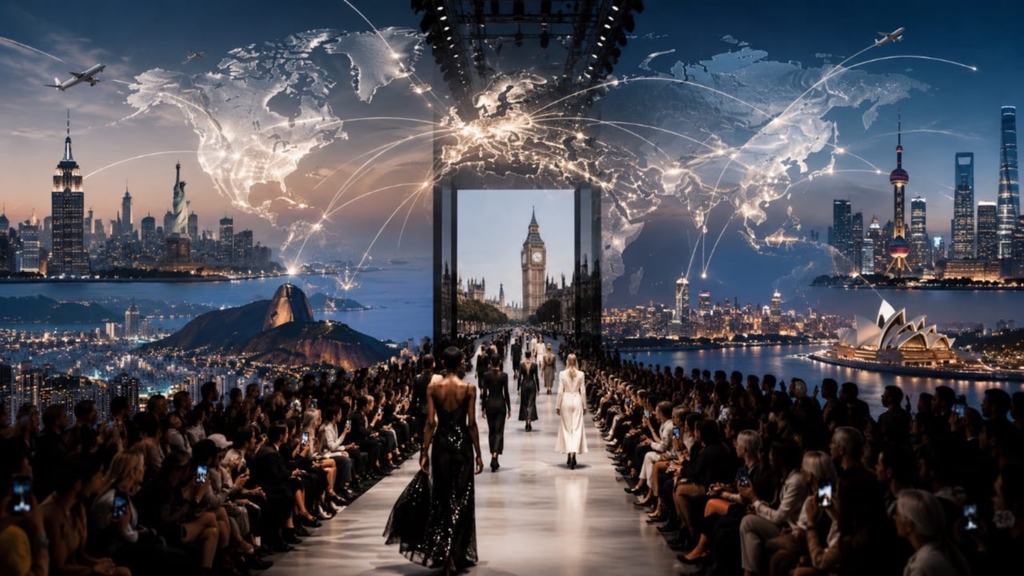
London Fashion Week has closed its September 2026 edition with stronger international commercial interest, including a reported 41 percent increase in accredited international buyers compared with the previous year.
The event brought together fashion houses, retailers, designers, media organisations and consumers across several days of shows and presentations.
Fashion weeks are often presented as entertainment and creativity, but they are also major business platforms.
Behind every runway show are brands trying to attract customers, retailers looking for products, investors looking for opportunities and designers trying to turn visibility into sustainable businesses.
The important lesson for smaller businesses is that attention by itself is not the same thing as growth.
A company can have thousands of people watching its videos, visiting its social media pages or talking about its products without generating enough sales to support the business.
The difference comes from what happens after people become interested.
This is a problem many businesses experience online.
A customer sees a product on Instagram, clicks a link and sends a message. Then nobody responds quickly. Another customer asks about price and receives an answer several hours later.
Someone else wants to buy but cannot find clear information about delivery.
The attention is there, but the system for converting that attention into business is missing.
The brands that benefit from visibility are usually the ones prepared to handle the interest that visibility creates.
They need clear product information, easy communication, reliable follow up and a way to understand which enquiries are serious and which are simply browsing.
Without these systems, marketing can create more conversations without necessarily creating more revenue.
This becomes even more important when a business starts attracting customers from different cities or countries.
International interest can create opportunities, but it can also create operational pressure.
Customers may ask questions outside normal working hours.
Delivery questions may require coordination.
Payments may need confirmation.
Different customer expectations can also make communication more complicated.
Businesses therefore need to think beyond the campaign or event that attracts attention.
They need systems that continue working after the spotlight moves somewhere else. AI automation can help handle routine enquiries, capture leads, organise follow ups and keep customers moving through the buying process while human staff focus on issues that require personal attention.
Auxi Sherpa supports this kind of business automation, helping companies turn customer attention into a more organized process rather than leaving every enquiry dependent on manual responses.
London Fashion Week may be about designers and fashion, but the underlying business lesson applies almost everywhere.
Getting people interested is only the beginning.
The real opportunity comes when a business has the structure to turn that interest into relationships, sales and long term growth.
If you have an article, opinion piece, event or news story you would like published, Global News Arena would love to hear from you.
Send an email to advertise@globalnewsarena.com.