Some of us have old projects buried in a folder somewhere, subtly embarrassing us every time we scroll past them.
Beyoncé has several old projects too.
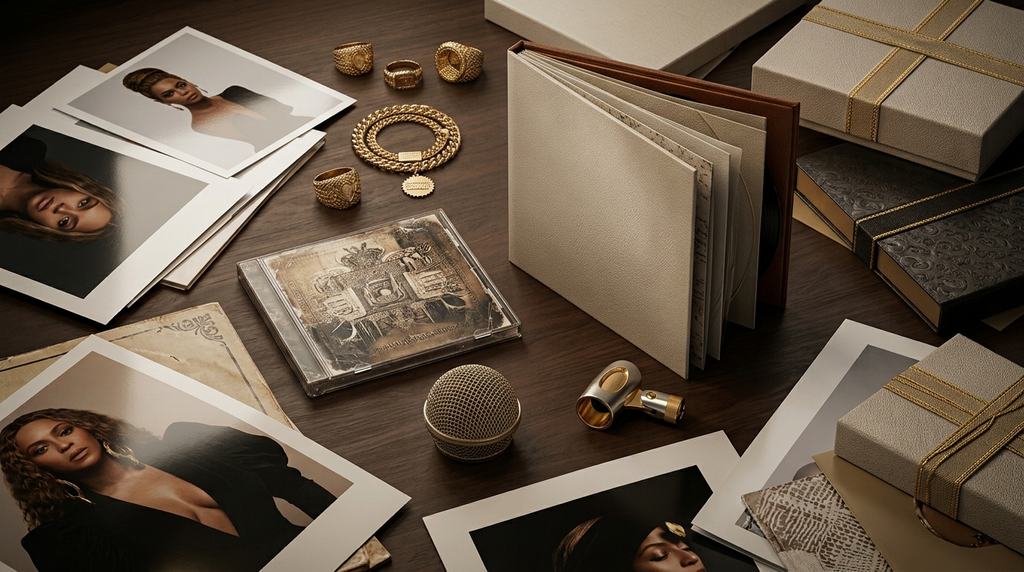
Except one of hers just turned into four vinyl records, a 60 page booklet, two art prints, and a whole new income stream.
B'Day turns 20 on September 4, and instead of pretending 2006 never happened, she expanded it into a 27 track deluxe edition, B sides, Spanish versions, songs nobody has ever heard included.
Same album. New money.
Genuinely, that's the whole business lesson for today. You can go home now. Or keep reading, because it gets more interesting.
Nobody needs B'Day to exist a second time.
It's on every streaming app already.
The CD survived Y2K.
"Irreplaceable" has been the soundtrack to breakups since before some of you had your first heartbreak.
So why is anyone paying for this thing twice?
Because they're not paying for the same thing. They're paying for a new experience cosplaying as an old song. New tracks, physical merch, better artwork, and 20 years of feelings strapped to the side of it like extra baggage.
That ebook you wrote in 2022 and abandoned? Update it, it's basically new again.
Those templates sitting in your Google Drive doing absolutely nothing? That's a product. You just never had the confidence to charge for it.
Nobody's asking you to reinvent yourself every Monday morning. That thing you already made just needs better clothes and a little confidence.
And here's the part everyone slept on.
Beyoncé didn't wake up one day and post "guess what's 20 years old."
In July she dropped "MORNING DEW (DONK)," her first new song since Cowboy Carter.
August brought a Jay Z remix. Then the anniversary landed.
New song, buzz, remix, more buzz, then the reveal.
That's a build up, the kind of anticipation you'd expect from a soap opera right before the season finale.
People were already arguing about B'Day before B'Day had even officially re-entered the group chat.
Compare that to just posting "hey remember this album" and watching it die quietly in the comments by lunchtime, next to somebody's "first."
If you want people to care about something old, tease it first. Update it. Remix your own life a little before you ask people to pay attention again.
Now the pricing, which honestly might be the smartest thing in this entire rollout.
It's not one product at one price.
CD for the casual listener.
Standard vinyl for the person who takes music slightly too seriously.
A four LP deluxe box for the person who would genuinely die for this woman, and there are several.
Same music, three tiers of commitment, three completely different price tags.
You can do this on a tenth of her budget and it still works.
Say you're a photographer. Sell $10 digital prints for the casual buyer, a $30 curated collection for the actual fan, and a $100 signed physical book for the person who wants the full moment framed on their wall.
The numbers don't matter here. The tiers do. Not everyone who likes your work can afford the top version, and forcing them to choose between buying nothing or buying everything is how you lose a sale you could've easily had.
If you're actually serious about building this out, something like Auxi Sherpa can help you set up those price tiers and payment links without needing to hire a developer or cry over a broken website builder at 1am like the rest of us have.
Then there's fandom, which people love to treat like a soft, cute metric. It is not. It is money.
Beyoncé isn't selling to strangers, she's selling to people who've been loyal for two decades.
That physical box isn't competing with Spotify over whether you can hear the songs, obviously you can.
It's answering a completely different question. Do you want to own a piece of this moment or not.
People don't only buy things because they need them. They buy things because those things mean something.
A memory, an era, a version of themselves from years back that they miss a little.
Jerseys work like this.
Sneakers work like this.
Concert merch works like this.
If you've built any audience at all, even a tiny one, some of them aren't just there for the information.
They'd buy a piece of your journey too, if you actually gave them something worth buying.
Here's the twist nobody talks about though. The person who bought B'Day in 2006 is not the same person buying it in 2026. Their taste changed, their money changed, their whole life changed.
The exact same thing is happening to your audience right now whether you've noticed or not.
Maybe you built something years ago for a tiny audience that has since grown up and scattered. Meanwhile your current audience never saw any of it. To them, your ancient dusty content is brand new content.
That's the entire argument for keeping an archive instead of deleting your old posts out of embarrassment at midnight.
Truth is, you're stockpiling for people who haven't even met you yet, not just creating for today's audience.
Which brings us to the folder problem. We're all chasing the next post, the next idea, the next shiny thing, meanwhile the last five years of actual work is sitting untouched somewhere doing nothing for anybody.
Go look at it now. How many good ideas got buried because the timing was wrong. How many things could just be dusted off and updated instead of left to rot.
Beyoncé looked backward, revamped something and it's working spectacularly. Don't throw away the old thing just because the new thing is shinier, the old thing could be the entire foundation you're standing on.
And repackaging is not the same as recycling, no matter how much people want it to be.
Reposting an old article with a slightly different headline is lazy, and everyone can tell.
Taking your ten best performing pieces, actually updating them, and turning them into one solid guide, that's real work.
That's a real product.
The B'Day deluxe edition is not the 2006 album uploaded again with a sticker slapped on it. It's a fully built moment. Unreleased material, physical collectibles, new formats, an actual reason to come back and care again.
The product feels brand new even though the bones underneath are old. Steal the thinking. Leave the vinyl.
People love acting like nostalgia is a soft, silly, less serious emotion, like it doesn't belong in the same sentence as "real business strategy." It absolutely does.
Disney reruns the same characters forever.
Fashion brands bring back cuts from decades ago.
Sneaker companies reissue shoes from 2009 like it's breaking news.
Musicians drop anniversary editions constantly, and somehow we keep falling for it, on purpose, happily.
People like returning to things that meant something to them once. That's an entire market waiting to be sold to.
You don't need Beyoncé's fanbase for any of this to work either.
A Lagos photographer could turn years of street photography into one limited edition book.
A chef could bring back an old menu as a "classics" night.
A writer could bundle their most loved essays into one themed collection people would actually pay for.
Small scale, same exact principle.
And this next part might sting a little, so brace yourself. The problem isn't that you're out of ideas. It's that you never finished using the good ones you already had lying around.
Creating feels like the hard part, but honestly it isn't always. Extracting more value from one idea, editing it properly, repackaging it, pricing it right, that's hard too, it just doesn't feel as exciting as starting something brand new and shiny.
The internet is obsessed with new.
Beyoncé just proved old works perfectly fine too, as long as the context around it actually changes.
So here's what you can genuinely do with all of this. You don't need a 20 year old Grammy winning album sitting in a vault somewhere. You need an archive, and odds are you already have one without even realising it.
Go look and ask yourself honestly. What performed surprisingly well. What still gets questions from people months after you posted it. What could be updated instead of quietly abandoned. What could become a bundle. What could be sold to someone who never even saw the original version.
That folder you keep meaning to clean out might already be your next product, sitting there, waiting patiently for you to notice it.
Making something gives you an asset. Strategy is what decides how many times that one asset can actually make you money.
That's not nostalgia dressed up as sentiment.
That's intellectual property management wearing a very chic bougie outfit.
Before you rush off to make something new, actually go look at what you already made. You might not be finished with it yet. You might just have been looking at it wrong the whole time.
Beyoncé made B'Day in 2006, and twenty years later she's giving people a brand new reason to want it all over again.
Frequently Asked Questions
What is Beyoncé's B'Day 20th Anniversary Edition?
An expanded version of her 2006 album, now 27 tracks with unreleased material and B sides, plus a collectible physical package.
When does it drop?
September 4, 2026, exactly 20 years after the original.
How much is the deluxe vinyl?
The four LP deluxe box is listed at $149.98 on Beyoncé's official store. Cheaper CD and standard vinyl versions exist too.
Why bring back a 20 year old album?
It lets her reactivate old intellectual property, add unreleased material, and sell fans a new physical experience around music they already love.
What can small businesses actually take from this?
You don't need something brand new to make money. Old content, work or projects can be updated, bundled or repackaged into something fresh.
Isn't repackaging just recycling with extra steps?
No. Recycling just reposts something. Repackaging adds real value, new context or a better experience to what already exists.
If you have an article, opinion piece, event or news story you would like published or you are ready to begin your journey toward building a profitable online content writing business from your phone or laptop, Global News Arena would love to hear from you.
Send an email to advertise@globalnewsarena.com