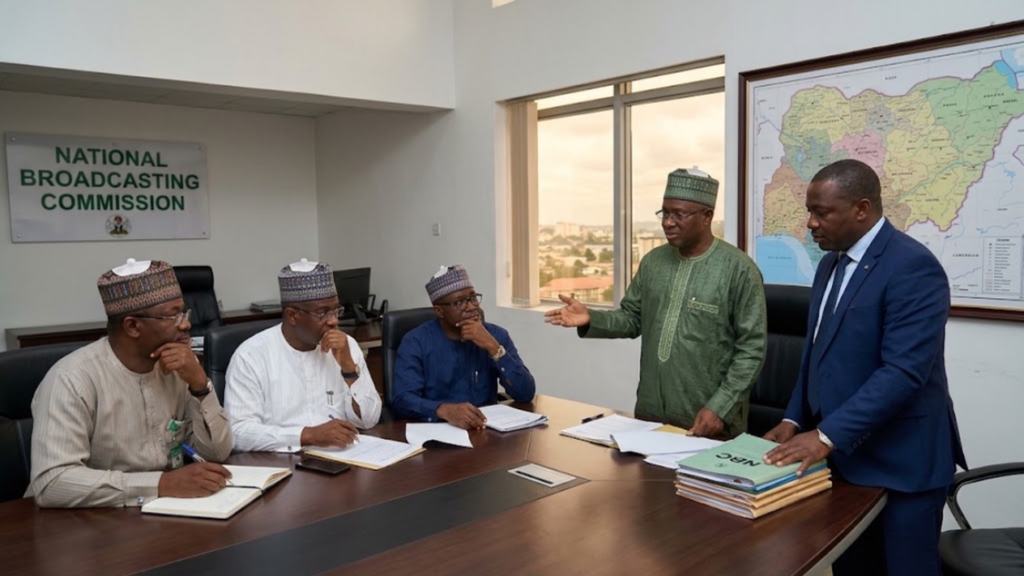
Nigeria’s government has stopped plans to review broadcast licence fees until further notice. The announcement was made by Information Minister Mohammed Idris on November 9, 2026, after radio and television industry leaders raised concerns about the high cost of running their businesses.
READ: Oshiomhole Says Food Can Cost Just ₦2,000 Under Tinubu
The decision means that any planned increase in these fees has been put on hold for now.
Read: Do you need a professional writer in 72 hours? Contact Auxi Chat
Why The Government Stopped The Review
READ: Nigerian Political Campaigns Must Put Voters Before Power
Running a radio or television station costs money. Stations need to pay workers, buy equipment, pay for electricity and keep their programmes running.
Some broadcasters say these costs have become too high. They asked the government to consider the problems facing their businesses.
Read: Need a professional website in 72 hours? Contact Auxi Chat
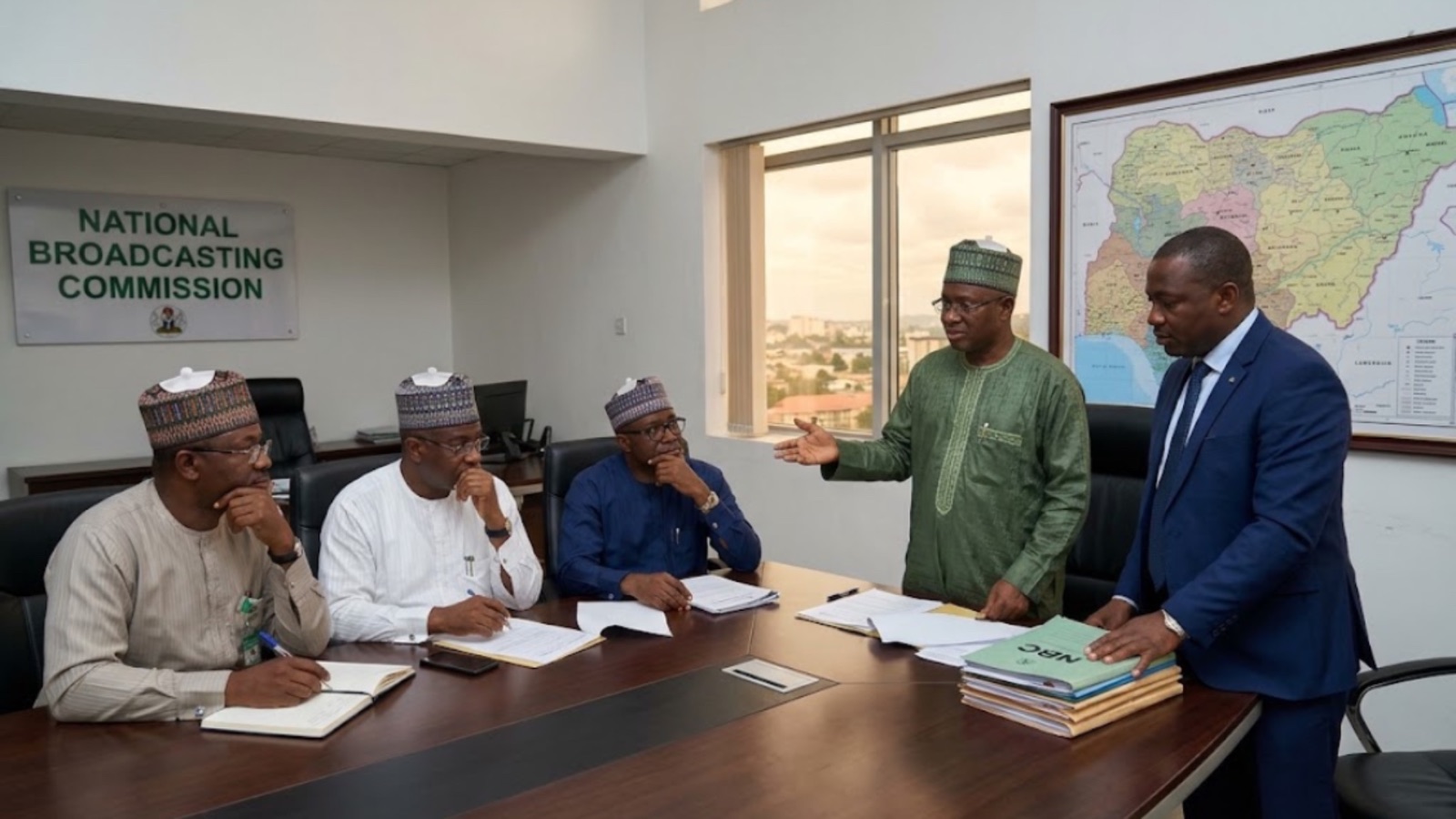
After meeting with members of the Broadcasting Organisations of Nigeria, the minister announced that all reviews of broadcast licence fees would stop until further notice.
He also directed the National Broadcasting Commission to follow the instruction.
What Are Broadcast Licence Fees
A broadcast licence is official permission for a company to operate a radio or television station under the country’s rules.
Think of it like a permit that allows a business to do a particular job legally.
Stations must follow broadcasting rules and meet the requirements set by the relevant authorities.
When licence fees increase, stations may have to spend more money to keep operating. This can be difficult for smaller stations that already struggle to pay their bills.
How The Decision Could Help Radio And TV Stations
Stopping the review may give broadcasters some breathing space while the government considers their concerns.
If stations can manage their costs better, they may find it easier to keep their services running and pay their workers.
Radio and television are important because they bring news, education, entertainment and emergency information to people.
Many Nigerians depend on radio for information, especially in places where internet access is limited.
However, stopping the review does not mean that every problem facing broadcasters has been solved. Electricity costs, equipment expenses and other bills may still affect their businesses.
What Happens Next
The government has also asked for a review of the National Broadcasting Code, which contains rules for radio and television stations.
READ: Peter Obi Convoy Attacked in Calabar After Palace Visit: Full Video.
The aim is to make sure the rules keep up with changes in the broadcasting industry.
More discussions may take place between the government and broadcasters as they work through issues affecting the sector.
For now, the planned review of broadcast licence fees remains on hold.
The main question is whether the pause will give broadcasters lasting relief and help them continue serving the public without facing even greater financial pressure.
Are you interested in learning how to write professionally and earn money as a writer and content creator? Contact Auxi Chat today to start your writing journey immediately.
Need a professional website in 72 hours? Contact Auxi Chat
If you have an article, opinion piece, event or news story you would like published, Global News Arena would love to hear from you.