The Real Meaning of a Political Campaign.
READ: Peter Obi Convoy Attacked in Calabar After Palace Visit: Full Video.
I have always found something interesting about Nigerian political campaigns. They reveal more than the ambitions of the people seeking public office. They also expose what political parties believe voters care about, how far candidates are willing to go to attract support and whether public service is genuinely at the centre of their ambitions.
Read: Do you need a professional writer in 72 hours? Contact Auxi Chat
In Nigeria, a political campaign can transform an ordinary street into a gathering place for political conversations. Vehicles move through communities, party colours become visible, supporters gather around familiar political figures and promises begin to dominate public discussions. For a period, politics becomes difficult to ignore.
READ: Thinking About the APC Imo West Senatorial Ticket Dispute
But I keep returning to a more important question: after the music, speeches, posters and public declarations, what exactly are Nigerians being asked to believe?
Nigerian political campaigns should be more than carefully organised displays of popularity. They should give citizens a genuine opportunity to understand the people seeking their votes, examine their plans and decide who deserves the responsibility of governing.
Read: Need a professional website in 72 hours? Contact Auxi Chat
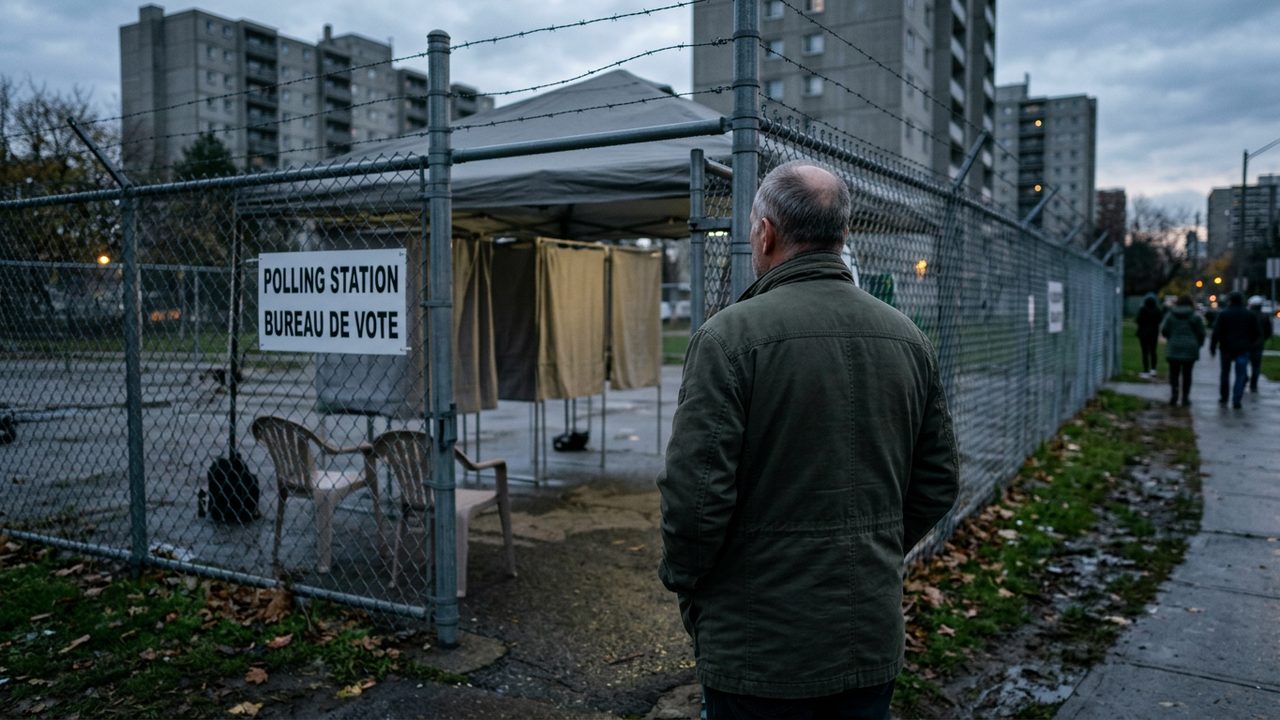
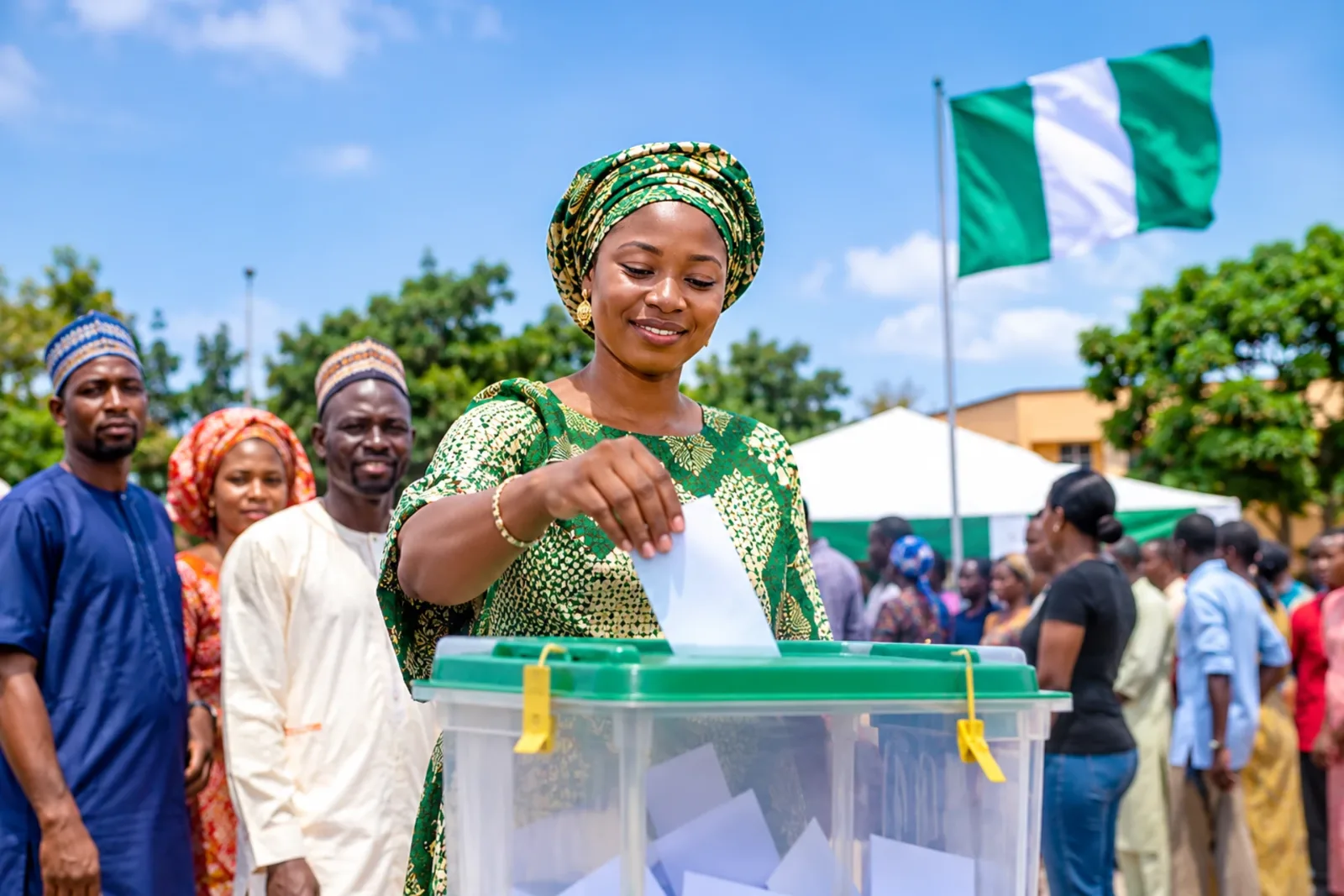
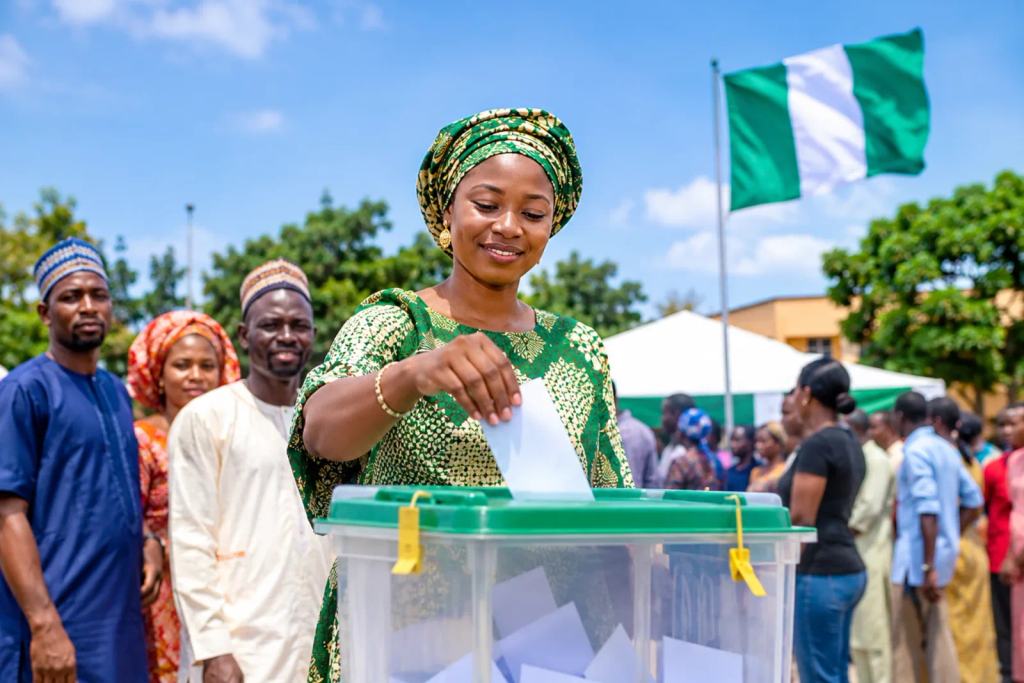
The ballot box is where that responsibility becomes particularly important. It represents the point at which political influence must meet the decision of ordinary citizens.
Nigerian political campaigns Must Be About More Than Popularity
There is no denying that popularity matters in politics. A candidate needs public support, a recognisable message and the ability to communicate with different communities. However, popularity alone does not make someone a capable leader.
A candidate may attract large crowds and receive enthusiastic endorsements, but those things do not automatically demonstrate the ability to manage public resources, improve education, strengthen healthcare or create an environment where businesses can grow.
This is where Nigerian political campaigns need a more serious approach.
Voters should be able to ask what a candidate intends to do about the issues affecting their daily lives. What is the plan for employment? How will communities receive better infrastructure? What policies will support small businesses? What will be done to improve public schools and healthcare facilities?
These questions should not be treated as unnecessary interruptions to a campaign. They should be at the centre of it.
I believe Nigerian politics would benefit from a culture in which candidates are judged less by the excitement surrounding their appearances and more by the quality, practicality and credibility of their proposals.
A political rally can create excitement for a day. Good governance must deliver value long after the rally has ended.
The Ballot Box Belongs to the People
One of the most important ideas in democracy is that political authority should come from the people. The ballot box gives citizens a peaceful way to express their preferences and participate in deciding who represents them.
It is easy to discuss elections in terms of political parties, prominent candidates and campaign strategies. Yet democracy becomes incomplete when the ordinary voter is forgotten.
The trader who opens a shop every morning, the teacher who wants better facilities for pupils, the young graduate searching for an opportunity and the family trying to manage rising living costs all have a stake in the decisions made by elected officials.
Their concerns should not become important only when politicians need their support.
A ballot is not simply a piece of paper or a mark recorded during an election. It represents a decision about leadership and the direction of public life. Every eligible voter should be able to make that decision freely, without intimidation, coercion or pressure.
This is why electoral integrity matters. Citizens need confidence that the rules are applied fairly, that their votes are properly recorded and that the declared outcome reflects the lawful electoral process.
Political Promises Must Have a Measure of Accountability
Campaign promises are part of democratic politics. Candidates need to explain what they hope to achieve if elected. The problem begins when promises become attractive statements without clear plans behind them.
Nigerians have heard ambitious declarations over the years. Roads will be improved, jobs will be created, electricity will become more reliable and public institutions will perform better. These are important objectives, but citizens deserve to know how candidates intend to achieve them.
A serious campaign should explain priorities, timelines, available resources and the institutions responsible for delivering proposed programmes. It should also acknowledge difficulties rather than presenting every challenge as something that can be solved overnight.
I find this particularly important because political promises can easily become part of a cycle. A candidate makes an announcement, supporters celebrate it, opponents question it and the public moves on to the next political controversy. Meanwhile, the original promise may never receive the attention it deserves.
Accountability should not begin after an election alone. It should begin during the campaign.
Candidates should be prepared to explain their records, defend their policies and answer reasonable questions. Political parties should also provide clear information about their programmes instead of relying entirely on personalities and slogans.
A voter who understands a candidate's proposals is in a better position to make an informed decision than someone who has only been exposed to campaign excitement.
The Danger of Turning Elections Into Political Battles
Political competition is a normal part of democracy. Different parties and candidates should be able to present their ideas, challenge one another and persuade citizens that their approach offers a better future.
However, competition becomes dangerous when disagreement is treated as hostility.
Political opponents are not automatically enemies. Supporting one party should not require a person to insult, threaten or dismiss everyone who supports another. A healthy democracy must make room for different opinions without turning communities against one another.
This is especially important during campaign periods, when political messages can spread rapidly through social media, messaging platforms and public gatherings.
The security of candidates, supporters, journalists and ordinary residents should be taken seriously. Campaign activities should remain peaceful, and political parties should make it clear that intimidation has no place in democratic participation.
There is no political victory worth the destruction of public peace. A candidate should be able to campaign, a supporter should be able to disagree and a citizen should be able to participate without fear.
Social Media Has Changed the Campaign Conversation
Political campaigning is no longer limited to rallies, radio interviews, television appearances and newspaper advertisements. Social media has become an important space where candidates communicate, supporters organise and citizens debate public issues.
This has created opportunities for greater participation. A young Nigerian can follow political developments, question a candidate's proposal, share a public statement and engage in conversations that may once have been restricted to traditional political spaces.
But the same platforms can also make misinformation more difficult to control.
A photograph can be shared without its original context. A video can be edited to create a misleading impression. An unverified statement can circulate widely before the people involved have an opportunity to respond.
The challenge is not simply that political information spreads quickly. It is that many people may form strong opinions before checking whether the information is accurate.
In its coverage of concerns about artificial intelligence and the 2027 elections, Global News Arena has explored how manipulated audio, video and images could affect public understanding. Readers can find that discussion in [AI Could Change How Nigerians See the 2027 Elections, INEC Warns](https://globalnewsarena.com/article/ai-could-change-how-nigerians-see-the-2027-elections-inec-warns).
For voters, the lesson is straightforward. Before sharing a political claim, check its source. Before accepting a dramatic video, look for reliable confirmation. And before judging a candidate based on a viral post, consider whether the information has been presented fairly.
Political awareness should involve more than choosing a side. It should also involve the willingness to examine information critically.
Political Parties Must Respect Their Own Processes
Another important part of electoral democracy happens before the general election. Political parties must have credible internal processes for selecting candidates and resolving disagreements.
When party primaries are disputed, the consequences can extend beyond the individuals involved. Supporters may become divided, campaign planning can be disrupted and voters may be left uncertain about who will represent a party.
A party that expects citizens to respect electoral rules must demonstrate respect for those rules within its own organisation.
This means conducting nomination processes transparently, keeping accurate records, communicating decisions clearly and following the law when disputes arise.
The broader lesson is that political authority should not depend only on influence or public announcements. Procedures, evidence and applicable laws matter.
Political parties are important institutions in a democracy. Their credibility is strengthened when they demonstrate fairness and consistency, especially when the outcome of an internal contest is unpopular with some members.
What Nigerian Voters Should Expect From the Next Election Cycle
As Nigeria moves towards another major election cycle, the quality of political conversations will matter.
Citizens should expect candidates to explain their plans rather than rely only on familiar slogans. They should expect political parties to respect their internal rules and communicate their positions clearly. They should also expect electoral institutions to provide reliable information and apply the law fairly.
The responsibility does not belong to candidates and political parties alone. Voters also have an important role to play.
READ: Doris Ogala and Her Men: Broken Vows and Courtroom Drama.
Citizens can examine candidates' public records, compare policy proposals, attend peaceful campaign events and ask questions about issues affecting their communities. They can also refuse to spread unverified information or encourage hostility towards people with different political preferences.
Young Nigerians, in particular, should understand that political participation is not limited to the excitement of election day. Learning about public institutions, understanding electoral procedures and following the decisions of elected representatives are all important parts of democratic citizenship.
The real value of an election is not simply that a winner emerges. It is that citizens have had a meaningful opportunity to make a choice and that the process is conducted according to the law.
The Ballot Box Must Remain Stronger Than Political Influence
When I look at the relationship between political campaigns and the ballot box, I see a larger conversation about trust.
People want leaders who understand their problems. They want institutions that work, opportunities that are accessible and public resources that are managed responsibly. They want to believe that their participation matters.
That trust cannot be demanded through campaign speeches. It has to be earned through conduct, credible policies and respect for democratic principles.
Nigerian political campaigns should therefore be judged by the quality of the conversations they create, the seriousness of the promises they make and the respect they show for the people whose votes they seek.
A candidate may have financial resources, political connections, a large support network and a powerful campaign organisation. Those things may influence the political contest, but they should never replace the citizens' right to make their own decision.
The ballot box should not be treated as a formality after the real political decisions have already been made elsewhere. It should remain a meaningful expression of the people's choice.
I believe this is the standard Nigeria should continue to demand. Not campaigns built only around personalities, not political competition driven by hostility, and not promises that disappear when the election is over.
What the country needs is a political culture in which leadership is treated as a responsibility, voters are respected as citizens and the democratic process is protected by everyone involved.
Because when the campaign vehicles leave the streets, the posters come down and the crowds return to their daily lives, one thing should remain clear: political power is a public trust, and the ballot box belongs to the people.
The writer of this article does not claim to know the individuals named personally. The information regarding their backgrounds as published on Global News Arena is based on independent online research.
If you have an article, opinion piece, event or news story you would like published, Global News Arena would love to hear from you.