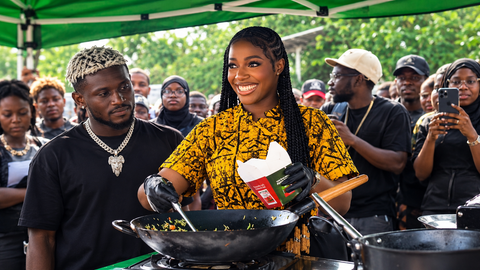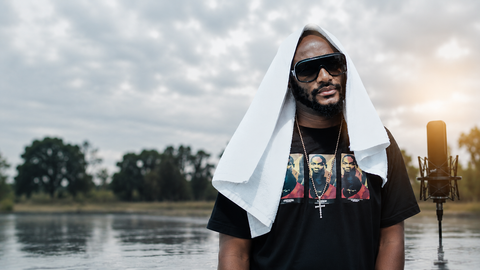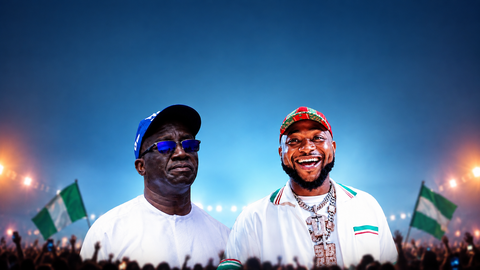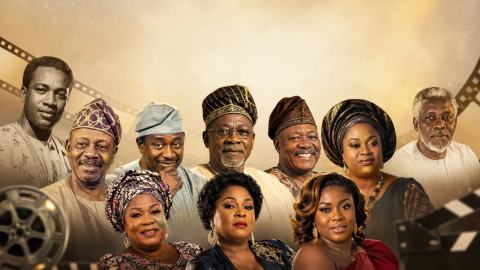
Nigerian celebrities are no longer building careers around entertainment alone. For many of them, their names, personalities, lifestyles and online presence have become powerful personal brands capable of attracting endorsement deals, business partnerships, product collaborations and completely new income opportunities.
This is why I believe there is more to celebrity branding than simply having millions of followers.
When a celebrity becomes strongly associated with a particular lifestyle, personality or area of influence, businesses begin to see that person differently. The celebrity is no longer just an actor, musician, comedian or content creator. That person becomes a marketing asset whose reputation can help a company introduce its product to an audience that already pays attention.
And the Nigerian market is becoming increasingly valuable for this kind of relationship. The 2026 Nigeria Influencer Marketing Report says influencer marketing in Nigeria recorded an estimated ₦161.4 billion in industry spend between 2021 and 2025, showing how far the sector has moved from being treated as just another social media trend. The report also describes the industry as becoming more structured, measurable and data-driven.
That growth helps explain why personal branding has become so important.
A company looking for a celebrity to represent a product is not necessarily searching for the person with the largest number of followers. It wants someone whose image makes sense for the product, whose audience is relevant and whose reputation can strengthen the message it is trying to communicate.
That is where personal branding becomes powerful.
Think about the way people naturally associate certain public figures with particular things. Some celebrities are strongly connected with fashion and luxury. Others are known for comedy, music, acting, fitness, beauty, business or lifestyle. Once that association becomes strong enough, opportunities can begin to follow.
The celebrity's name starts carrying meaning.
And that is something I think everyone, not just celebrities, can learn from.
You do not need one million followers to build a personal brand. You need something much simpler to begin with: a clear reason for people to remember you.
If you constantly create useful content about technology, for example, people can gradually begin to see you as someone who understands technology. If you consistently talk about business, you can build a reputation around business. If you teach people how to cook, write, design, market products, use artificial intelligence or learn new skills, you are already creating the foundation of a personal brand.
The important thing is consistency.
People should not have to visit your page five times before figuring out what you actually do.
This is one area where celebrities often have an advantage. They understand that visibility must be maintained. They appear in interviews, release content, attend events, interact with fans and keep their names in public conversations. That constant presence helps strengthen the connection between the celebrity and the audience.
However, visibility without identity can quickly become meaningless.
Going viral is not the same as building a brand.
A viral post may disappear from people's minds after a few days, but a strong personal brand can remain valuable for years because people know what to expect from that person.
That difference is becoming even more important as brands become more strategic about influencer marketing. The latest Nigerian influencer marketing research points toward a growing shift from one-off sponsored posts to longer-term ambassador relationships because repeated partnerships can create stronger brand association and credibility.
In simple terms, businesses are becoming more interested in relationships than random advertisements.
And when I look at that development, I see an opportunity for ordinary Nigerians who are building online audiences.
You don't have to wait for a company to discover you.
You can begin by creating something worth discovering.
Your smartphone is enough to start producing videos, writing posts, taking photographs, designing graphics, publishing articles and communicating with an audience. You can use free or affordable digital tools to edit your content, research ideas and improve the quality of what you publish.
Over time, that content can help people understand what you know and what you can offer.
Then something interesting can happen.
The audience you initially built simply by sharing knowledge can eventually become a business opportunity.
Someone may contact you because they need a writer. Another person may need help managing their social media page. A small business may need promotional content. Someone may want to learn the skill you have been teaching online. You could create an ebook, sell a digital guide, offer an online class or recommend useful products through affiliate marketing.
The possibilities become much wider when people trust your expertise.
This is why I would encourage people to stop thinking only about followers and start thinking about value.
A person with 5,000 followers who genuinely trust their content may have something more valuable than a person with 500,000 followers who has no clear relationship with their audience.
The 2026 global influencer marketing research from Sprout Social similarly points to the growing importance of content relevance rather than follower count alone, noting that audiences increasingly care about subject relevance and content style.
That makes sense when you think about how people actually use social media.
If I follow someone because they regularly teach me how to use AI tools, I am not necessarily interested in how many followers they have. I am interested in whether their next post will help me.
If someone consistently explains business ideas in a way I understand, I will probably continue paying attention.
If someone teaches me something useful every week, I may eventually trust their recommendations.
That is how influence is built.
And once trust exists, monetisation becomes much more natural.
This is also why personal branding requires discipline. You cannot build a reputation for being trustworthy while constantly promoting products you know nothing about simply because someone offered you money.
The audience eventually notices.
A personal brand can take years to build but can be damaged by one careless decision.
This is particularly important for celebrities because their business value is often connected to their public image. A company does not want to spend money building a campaign around someone whose behaviour could create a crisis for the brand.
For the same reason, ordinary creators should think carefully about what they post online.
Your social media page is not just a place where you share your daily life. It can become your portfolio, CV, media platform and first impression to potential clients.
Someone looking for a writer may find your Facebook page.
A business owner may discover your TikTok account.
A potential client may read your LinkedIn posts.
A customer may watch your Instagram videos before deciding whether to buy from you.
That means every useful piece of content can become part of your professional identity.
And this is where I think the smartphone opportunity becomes particularly interesting.
Many Nigerians already spend several hours every day consuming content on their phones. The difference between consumption and opportunity may simply be what we decide to do with those hours.
Instead of spending all your time watching other people's businesses grow, you can begin documenting your own knowledge.
Instead of only commenting on other people's success, you can create something useful.
Instead of waiting for a traditional employer to discover you, you can begin showing the internet what you can do.
You could start a page focused on one subject and build from there.
Maybe you are good at writing.
Maybe you understand fashion.
Maybe you know how to use Canva.
Maybe you can edit videos.
Maybe you understand social media marketing.
Maybe you are good at teaching.
Maybe you know how to use AI tools to help businesses save time.
Whatever your skill is, there may be someone looking for it.
The challenge is making yourself visible and trustworthy enough to be found.
That is essentially what successful celebrities have mastered at a much larger scale.
They have learned how to make people remember them.
They have learned how to communicate a particular identity.
They have learned how to keep their audience interested.
And eventually, businesses begin to notice the commercial value of that attention.
The Nigerian influencer marketing industry is also showing that smaller creators should not assume they are irrelevant simply because they cannot compete with celebrity follower counts. The 2026 Nigerian report highlights the importance of nano and micro-influencers, while noting that brands can combine smaller creators for engagement and niche targeting with larger creators for mass awareness.
That is encouraging because it means there is room for different kinds of creators.
You can build a small but focused community.
You can become the person people go to for a specific problem.
You can become known in your industry before you become widely famous.
And sometimes, that is actually the better strategy.
You do not need everybody to know you.
You need the right people to know you.
If 2,000 people follow your content because they are genuinely interested in what you teach, those 2,000 people can become more meaningful to your business than a much larger audience that has no connection to what you offer.
From there, you can begin building income streams around your knowledge and skills.
You could offer freelance services, create digital products, teach online, manage social media accounts, write articles for businesses, create marketing content, become an affiliate marketer or build a small digital business around a problem you know how to solve.
The important thing is not to rush into selling.
Build trust first.
Listen to your audience.
Pay attention to the questions people ask.
Look for problems they repeatedly mention.
Then create something that genuinely helps solve those problems.
That is how a personal brand can become more than a social media page.
It can become an asset.
And when I think about Nigerian celebrities who have successfully moved from entertainment into business, this is the part that stands out to me most. Their biggest asset is often not simply their talent. It is the relationship they have built between their name and their audience.
That relationship can open doors.
It can attract brands.
It can create collaborations.
It can support businesses.
It can introduce new products.
It can create opportunities that may not have existed when the person was unknown.
But you don't have to be famous to start building that relationship.
You can start today with the phone in your hand.
Choose what you want to be known for. Create useful content around it. Be consistent. Learn how to communicate. Protect your reputation. Understand your audience. Improve your skills and, most importantly, give people a reason to keep coming back.
Because the real power of personal branding is not simply making people know your name.
It is making people understand why your name matters.
And once people know what you stand for, what you can do and the value you can provide, business opportunities become much easier to recognise and pursue.
That, to me, is the bigger lesson behind how Nigerian celebrities build personal brands that attract business opportunities.
Fame can bring attention, but attention alone does not build a business.
A strong personal brand gives that attention direction.
Trust gives it value.
Skills give it substance.
And consistency gives it staying power.
So, the next time you see a Nigerian celebrity announce an endorsement deal, launch a product or enter a new business, it may be worth looking beyond the headline.
The real story may be the years of visibility, positioning, audience-building and reputation that made that opportunity possible.
And perhaps the most important question is not, “How can I become as famous as this celebrity?”
It is, “What can I start building today that people will remember me for tomorrow?”
That question can change the way you use your smartphone, your social media accounts and even your everyday skills.
Your phone can remain a device for entertainment, or it can become your camera, classroom, office, publishing platform, marketing tool and the starting point for a digital business.
The choice is yours.
If you have an article, opinion piece, event or news story you would like published, or you are ready to begin your journey toward building a profitable online content-writing business from your phone or laptop, Global News Arena would love to hear from you. Send an email to advertise@globalnewsarena.com.