
There are certain conversations that disappear a few days after they trend, and then there are conversations that force us to stop and examine the way we live. The debate sparked by Falz's advice on marriage falls into the second category for me. While many people argued about whether thirty is the right age to get married, I found myself asking a completely different question. Why are we so focused on when people should get married, yet spend so little time talking about how they should prepare for marriage financially?
The more I thought about it, the more I became convinced that this is the real conversation we should be having. Marriage is one of the biggest commitments anyone can make, but commitment alone doesn't pay rent, settle hospital bills, provide school fees, or cushion unexpected emergencies. Love creates a home emotionally, but financial stability helps sustain that home when real life begins.
I don't believe there is a universal age for marriage. Life doesn't work according to a single timetable. Some people are financially established in their twenties, while others don't discover their breakthrough until much later. What matters isn't whether you're twenty-six or thirty-two. What matters is whether you've intentionally built a life that can support the responsibilities you're choosing to embrace.
That is why I believe every young Nigerian should think beyond the wedding ceremony and begin preparing for the marriage itself. Weddings last a day. Marriage can last a lifetime. It makes sense to invest more energy into building the life that follows the celebration than simply planning the celebration itself.
When I look around today, I see a generation facing realities that previous generations never imagined. The cost of living continues to rise, traditional jobs are becoming less secure, and many hardworking people are discovering that one monthly salary is no longer enough to comfortably achieve their goals. These realities shouldn't discourage anyone from getting married, but they should encourage people to become more intentional about creating additional sources of income before taking on greater responsibilities.
Fortunately, this generation also has opportunities that previous generations never had. The same smartphone many people use for scrolling through social media every day can become the foundation of a profitable digital business. We are living in an era where knowledge has become one of the most valuable forms of capital. A person with useful skills and internet access can build an income without renting an office or investing millions of naira.
That is one of the biggest reasons I encourage people to explore digital entrepreneurship before marriage. Not because money is more important than love, but because financial confidence gives love room to grow without constantly competing with financial anxiety.
The first step is surprisingly simple. Learn a skill that solves a problem. Every day, businesses search for writers, graphic designers, video editors, website developers, virtual assistants, social media managers, digital marketers, and customer support specialists. These are skills that can often be learned online and offered to clients across Nigeria and around the world using nothing more than a smartphone or a laptop.
Then, as your confidence grows, you can begin creating digital products that continue generating income long after you've finished creating them. E-books, online courses, templates, printable planners, digital designs, and educational resources are just a few examples of products people buy every day. Unlike traditional businesses that require constant physical inventory, digital products can be sold repeatedly without being recreated each time.
What's even more exciting is that creativity itself has become an income opportunity. Content creators are building businesses by sharing knowledge, entertainment, reviews, tutorials, and personal experiences across platforms like YouTube, TikTok, Instagram, Facebook, and X. Many started with no expensive equipment, no celebrity status, and no large audience. What they had was consistency, patience, and the willingness to improve over time.
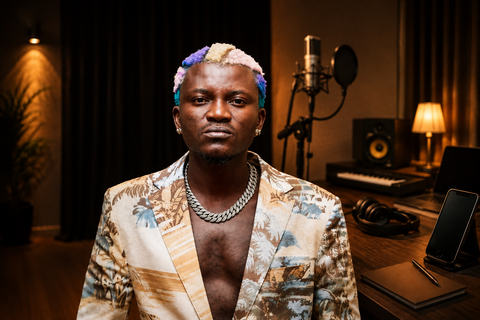
That same principle applies to music, an industry that has become more accessible than ever before. Creating quality music is no longer limited to people with expensive recording studios or major record label connections. Today, aspiring artists can write songs, create original beats, experiment with different sounds, and produce music through the Music Creation service on Auxi Sherpa With songs regularly becoming viral trends across social media, talented creators now have opportunities to turn their creativity into both influence and income using tools that are far more accessible than many people realise.
Even if music isn't your passion, the lesson remains the same. Every valuable digital skill has the potential to become an income-producing asset. The internet continues to reward people who educate others, solve problems, entertain audiences, or create products that improve people's lives.
Another opportunity that deserves far more attention is affiliate marketing. Many people assume they need to invent a product before making money online, but that's no longer true. Businesses already have products and services they want people to recommend. By creating helpful content and introducing useful products to the right audience, it's possible to earn commissions without worrying about manufacturing, storage, or delivery.
Freelancing follows a similar path. Thousands of companies across the world hire independent professionals every day for writing, programming, design, translation, customer support, marketing, and countless other services. Instead of depending on opportunities within one city or one employer, digital platforms have opened the door to a global marketplace where skills matter more than location.
Of course, none of these opportunities promise instant wealth, and anyone suggesting otherwise is selling a fantasy. Every successful digital entrepreneur begins with a learning phase filled with mistakes, adjustments, and continuous improvement. However, what makes digital business so attractive is its accessibility. The barrier to entry has never been lower, and the opportunity to grow has never been greater.
As I continued reflecting on Falz's comments, I realised the biggest lesson isn't really about delaying marriage. It's about avoiding unnecessary pressure. Imagine entering marriage knowing you've already built a skill that people value. Imagine having multiple streams of income instead of relying on a single monthly salary. Imagine being able to handle unexpected expenses without every financial challenge becoming a family crisis. That kind of preparation doesn't remove every problem, but it certainly changes how confidently you face them together.
Perhaps that's the conversation we should be having more often. Instead of only encouraging young people to find the right partner, we should also encourage them to become the right partner financially, emotionally, and professionally. We should celebrate people who invest in themselves, develop valuable skills, and create opportunities before life demands more from them.
If you're still single, don't see this season as a waiting room. See it as preparation time. Learn a digital skill. Build something valuable. Start creating content. Explore freelancing. Launch a digital product. Try affiliate marketing. If music excites you, create songs and beats with the Music Creation service on Auxi Sherpa and share your talent with the world. The goal isn't simply to make more money. It's to build a future where your family benefits from the decisions you made long before your wedding day.
If you have an article, opinion piece, or news story you'd like published on Global News Arena, or you're ready to begin your journey toward building a profitable digital business from your phone, I'd love to hear from you.
Continue Reading: The Business Lesson Behind Falz's Marriage Advice: Build Financial Freedom Before Building a Family
Send me an email.
Read more at Global News Arena.