The Ministry of Communications, Innovation and Digital Economy plays an important role in Nigeria’s technology sector. It works to expand access to communication services, support digital innovation and help more Nigerians benefit from technology. Its responsibilities connect internet access, digital skills, public services and business growth.
READ: Naoero Parliament Opposition Ends as All 19 MPs Join Government
The ministry’s work matters because technology is now part of everyday life. People use the internet to learn, find jobs, run businesses, communicate and access services. By supporting policies and programmes that improve the digital environment, the ministry aims to help Nigeria create more opportunities and build a stronger economy.
Read: Do you need a professional writer in 72 hours? Contact Auxi Chat
Ministry of Communications, Innovation and Digital Economy: History and Establishment
READ: Senate Seeks Justice Over 37 Artisans' Deaths in NSCDC Custody
The ministry was established in 2011 under the name Federal Ministry of Communications Technology. Its creation reflected the growing need for a government institution that could guide the development of information and communication technology in Nigeria.
In October 2019, the ministry was redesignated as the Federal Ministry of Communications and Digital Economy. The change reflected a broader focus on using digital technology to support economic growth, improve public services and create new opportunities for Nigerians.
Read: Need a professional website in 72 hours? Contact Auxi Chat
The institution later became known as the Federal Ministry of Communications, Innovation and Digital Economy, reflecting its wider focus on innovation and the development of Nigeria’s digital economy.
Over time, its responsibilities have included supporting digital policies, expanding communications infrastructure, promoting technology skills and encouraging the growth of the local technology industry.
The ministry’s overall purpose is to help make technology a useful tool for national development, rather than something available only to people or businesses with greater resources.
What Does the Ministry of Communications, Innovation and Digital Economy Do?
The ministry has several responsibilities that support Nigeria’s digital development.
Improving internet access: It supports efforts to expand communications infrastructure so that more people, including those in underserved communities, can access reliable and affordable connectivity.
Promoting digital skills: It supports initiatives designed to help Nigerians learn technology skills that can improve their employment opportunities and prepare them for digital careers.
Supporting innovation: The ministry encourages the development of new ideas, digital products and technology-based businesses that can solve problems and create economic opportunities.
Developing digital policies: It works on policies and strategies that guide the use of technology across government, business and society.
Improving public services: Digital systems can help government institutions provide services more efficiently, improve access to information and reduce unnecessary delays.
These responsibilities connect technology with practical needs, including education, employment, business development and access to public services.
How the Ministry Supports Nigeria’s Digital Economy
The digital economy includes economic activities that depend on digital technology. Examples include online businesses, software development, digital payments, e-commerce, technology consulting and services delivered through the internet.
The Ministry of Communications, Innovation and Digital Economy supports the policies and programmes that can help these activities grow in Nigeria.
A stronger digital economy can create opportunities for software developers, data analysts, cybersecurity professionals, digital marketers, entrepreneurs and other skilled workers. It can also help traditional businesses reach customers online and improve the way they manage their operations.
However, growth requires more than access to technology. Businesses need reliable internet, suitable regulations, trained workers, secure digital systems and access to funding.
The ministry’s role includes encouraging the conditions that allow businesses and individuals to use technology productively. Its work is part of a wider national effort involving government agencies, private companies, educational institutions and technology communities.
Digital Skills and the 3 Million Technical Talent Programme
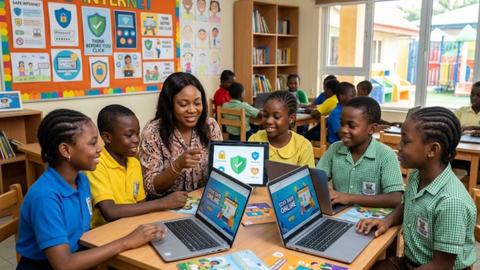
Digital skills are important because many modern jobs require workers to understand and use technology. These skills can include software development, data analysis, cloud computing, cybersecurity and other technical areas.
One of the ministry’s major initiatives is the 3 Million Technical Talent (3MTT) Programme. The programme aims to develop a large pool of skilled Nigerian technology workers and strengthen the country’s ability to participate in the global digital economy.
Digital skills programmes can help people prepare for technology careers, improve their existing skills and explore opportunities in local and international markets.
For young Nigerians and recent graduates, technical training may provide another route into employment. However, training alone does not guarantee a job. Learners also need practical experience, projects, communication skills and an understanding of what employers require.
By supporting digital skills development, the ministry aims to help build a workforce that can contribute to technology businesses and the wider Nigerian economy.
Internet Infrastructure and Connectivity in Nigeria
Reliable internet access is essential for a modern digital economy. Without suitable infrastructure, people may struggle to attend online classes, run digital businesses, access government services or work remotely.
The Ministry of Communications, Innovation and Digital Economy supports efforts to improve connectivity and expand communications infrastructure. One initiative is Project BRIDGE, which aims to develop a national fibre-optic backbone to improve broadband access and connectivity.
Fibre-optic infrastructure can carry large amounts of data at high speeds. When properly deployed and supported by local networks, it can help improve the quality and availability of internet services.
Expanding connectivity is particularly important for communities that have limited access to reliable communications services. Better infrastructure can create opportunities for schools, health facilities, small businesses and households.
However, infrastructure projects require funding, maintenance, cooperation with private operators and effective planning. The benefits also depend on whether internet services are affordable for the people who need them.
Innovation, Artificial Intelligence and Technology Businesses
Innovation allows people to develop new products, improve services and find better ways to solve problems. In Nigeria, technology entrepreneurs are building businesses in areas such as financial services, agriculture, education, healthcare and commerce.
The ministry supports efforts to encourage innovation and develop Nigeria’s technology ecosystem. This includes initiatives connected to artificial intelligence, digital entrepreneurship and the development of local technology solutions.
Artificial intelligence can support tasks such as analysing information, automating routine work and helping businesses make decisions. It also creates challenges involving privacy, safety, fairness and responsible use.
Developing a strong innovation environment requires collaboration between government, universities, technology companies, investors and entrepreneurs. It also requires policies that encourage creativity while addressing risks.
Supporting Nigerian innovation can help local businesses create solutions for local needs and potentially serve customers in other markets.
Challenges Facing the Ministry of Communications, Innovation and Digital Economy
READ: INEC BVAS Deployment Reaches 186,277 Ahead of 2027 Polls
Building a stronger digital economy comes with several challenges.
One major challenge is unequal access to the internet. Some communities have better connectivity than others, while the cost of devices and data can prevent people from using digital services regularly.
Another challenge is the shortage of advanced technical skills in some areas. Training programmes need to connect learning with practical experience and real employment opportunities.
Infrastructure development also requires significant investment. Fibre-optic networks, mobile connectivity, data centres and secure digital systems need funding, maintenance and cooperation between public and private organisations.
Cybersecurity and online safety are equally important. As more services move online, individuals and businesses need protection against fraud, data theft and other digital threats.
The ministry must also work with other government institutions because digital development affects many sectors. Education, trade, finance, health and public administration all depend on technology in different ways.
Progress therefore requires long-term planning, effective implementation, reliable funding and cooperation between stakeholders.
Why the Ministry of Communications, Innovation and Digital Economy Matters
The Ministry of Communications, Innovation and Digital Economy helps guide Nigeria’s efforts to use technology for economic and social development.
Its work touches areas that affect everyday life, including internet access, technical training, digital business, innovation and online public services. These areas can create new opportunities for young people, support businesses and help government institutions work more effectively.
The ministry cannot build a successful digital economy alone. Telecommunications operators, technology companies, schools, investors, other government agencies and ordinary citizens all have roles to play.
Its long-term impact will depend on how effectively policies become practical results, including better connectivity, useful skills, growing businesses and more accessible digital services.
As technology continues to change the way people live and work, the ministry remains an important institution in Nigeria’s effort to build an inclusive and competitive digital economy.
Are you interested in learning how to write professionally and earn money as a writer and content creator? Contact us today to start your writing journey immediately.
Need a professional website in 72 hours? Contact us
Do you need a professional writer in 72 hours? Contact us
If you have an article, guest story, event or news tip you would like published, Global News Arena would love to hear from you.