Broda Shaggi and Dorathy Bachor have become subjects of dating speculation surrounding videos described as heartfelt. That is the development being reported, not a confirmed relationship. The distinction should guide both the coverage and the conversation.
Broda Shaggi is a Nigerian comedian and entertainer. Dorathy Bachor is a Nigerian television personality known for appearing on Big Brother Naija. Their public profiles help explain the interest, but visibility does not make every personal question answerable.
The available information does not establish when the videos were recorded, their full context or whether either person has confirmed a romance. It also does not provide an authenticated statement from either addressing the speculation. Those gaps matter more than any confident interpretation of apparent affection.
This is not an argument against enjoying celebrity news. It is an argument for reporting it accurately. Audiences can find a public interaction charming without being told that charm amounts to evidence of a relationship.
What Broda Shaggi and Dorathy Bachor speculation establishes
The source material supports a narrow account: videos characterised as heartfelt have fuelled dating rumours. It does not establish the nature of the pair's relationship. Nor does it provide enough detail to independently assess what the videos show.
That leaves the central question open. Friendship, professional familiarity and romance can all involve warmth. These are possible explanations in general, not findings about these particular videos.
Calling an interaction heartfelt is itself an interpretation. It describes an emotional impression, rather than a verifiable relationship status. An audience may agree with that impression while drawing entirely different conclusions about its meaning.
The strongest available headline therefore concerns speculation, not a romantic announcement. A report should not quietly turn “people are wondering” into “the pair are together”. Those statements require different evidence.
It would be equally unsupported to declare that the videos prove nothing romantic exists. Uncertainty cuts both ways. Responsible coverage leaves room for a relationship without claiming to have established one.
That position may feel less satisfying than a definite answer. It is nevertheless the only defensible position when the evidence remains limited.
Why an affectionate video cannot answer everything
Video often feels more conclusive than written gossip. Viewers can see expressions and hear voices, making the experience seem immediate. Yet seeing an interaction does not necessarily mean understanding its circumstances.
A recording captures a moment, not an entire relationship. Its meaning may depend on what happened beforehand, who was present or why it was filmed. Without that context, apparent certainty can outrun the available facts.
Short clips can also travel separately from their original captions. A later description may frame an ordinary exchange as a revelation. That is a general risk of online circulation, not an established account of what happened here.
For performers, there is another reason for caution. Public-facing work can involve humour, staged situations and expressive interaction. None of those possibilities should be assumed in this case. They simply show why affection alone cannot settle the question.
The reverse assumption is unfair too. Calling every warm exchange a publicity stunt assigns a motive without evidence. Scepticism becomes another form of gossip when it claims to know why someone acted.
The useful question is not whether viewers detect chemistry. Chemistry is subjective. The useful question is whether reliable evidence supports the specific claim being published.
Public interest does not erase personal boundaries
There is nothing inherently improper about wondering whether two celebrities are dating. Entertainment creates familiarity, and audiences often become interested in performers beyond their work. Curiosity is an ordinary response to that familiarity.
But curiosity creates no entitlement to a confession. Neither entertainer owes the public a relationship announcement simply because a video attracts attention. A private matter does not become compulsory disclosure through repetition.
No response from either person is supplied in the available information. That must not be rewritten as a refusal to comment, a deliberate silence or a strategic decision. Each description would imply facts that have not been established.
More broadly, an absent response cannot serve as confirmation. People may choose not to engage with speculation for many reasons. Journalists should not select a convenient explanation and present it as insight.
Coverage should also apply the same standard to both people. Neither should be reduced to a supporting character in an imagined romance. Their work and individual identities exist independently of the story audiences might prefer.
The practical boundary is straightforward: discuss public material without pretending to possess private knowledge. Avoid pressure campaigns, intrusive demands and claims about intentions that cannot be verified.
The editorial choices that turn curiosity into misinformation
A headline can distort a story even when the paragraphs beneath it contain caveats. If it announces a relationship, a later sentence saying “neither has confirmed it” does not repair the original assertion.
Many readers encounter only a headline, photograph or short social caption. Accuracy must therefore begin at the point of first contact. Uncertainty belongs in the framing, not hidden near the end.
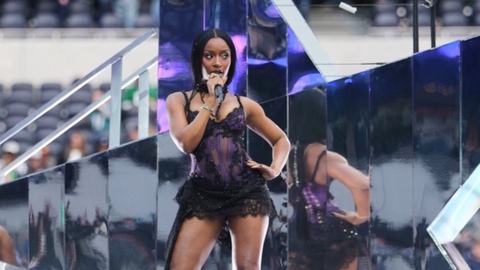
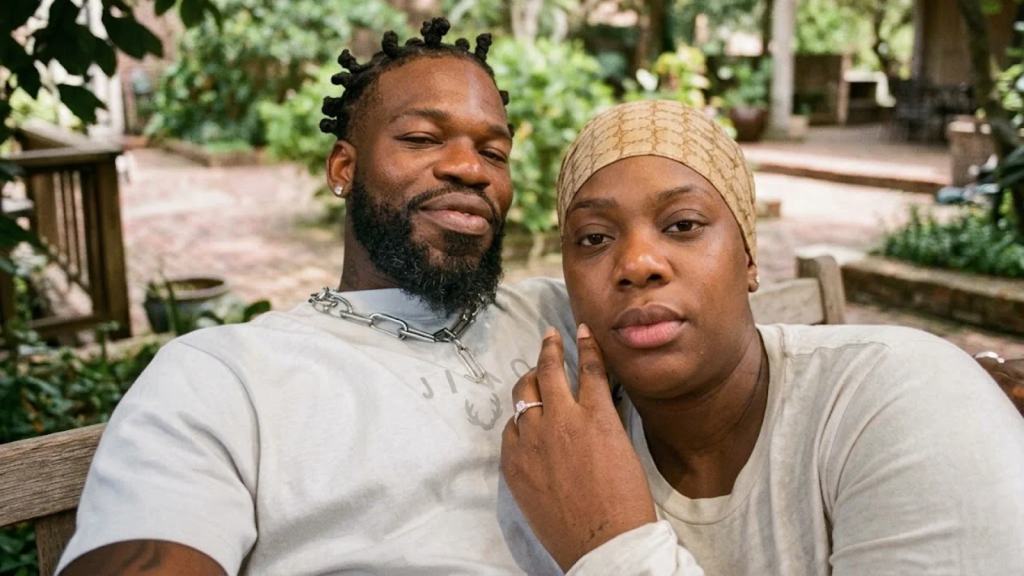
The same discipline applies to photographs. Placing two portraits together can illustrate a story about speculation. It cannot establish that the people pictured attended an event together or share a romantic relationship.
Publishers should also resist unsupported claims about the scale of attention. The supplied material contains no audience figures or documented measure of circulation. Describing a worldwide frenzy would add drama without adding knowledge.
Nor should an article invent a public consensus. Without specific, attributable reactions, phrases suggesting that everyone agrees merely manufacture social proof. Readers deserve to know whether a claim rests on evidence or a writer's impression.
Opinion writing has obligations here too. An opinion can argue that celebrity coverage needs greater restraint. It cannot use that freedom to invent messages, interactions or motives involving the people at its centre.
The commercial temptation is clear: certainty makes a simpler story. But a publisher gains little lasting value from attracting readers with an answer it cannot substantiate.
What readers should watch for next
Anyone seeking clarity should distinguish original material from commentary about it. A full recording and its original caption may help establish context. They may still leave the relationship question unanswered.
A clear, attributable statement from either person would carry more weight than interpretations of body language. Reliable reporting based on identifiable evidence could also change the picture. Repeated speculation, by itself, would not.
If confirmation emerges, coverage should reflect what was actually said. If a denial emerges, it should receive clear treatment rather than being buried beneath the earlier rumour. If neither appears, uncertainty remains a legitimate outcome.
Readers need not investigate private accounts or demand explanations. The reasonable response is simpler: enjoy the public content, recognise the limits of the evidence and avoid sharing guesses as facts.
For a global audience encountering these Nigerian entertainers through this story, that distinction is especially important. A rumour should not become the defining introduction to either person's career or character.
The central issue is not whether Broda Shaggi and Dorathy Bachor might be dating. They may be, or they may not. The issue is whether entertainment coverage can acknowledge that difference without treating uncertainty as a problem to disguise.
A heartfelt moment can remain a heartfelt moment. Until stronger evidence establishes more, that is enough to report and enough to enjoy.
The writer of this article does not claim to know the individuals named personally. The information about their backgrounds, as published on Global News Arena, is based on independent online research.
Are you interested in learning how to write professionally and earning money as a writer and content creator? Contact Auxi Chat today to start your writing journey immediately.
If you have an article, opinion piece, event or news story you would like published, Global News Arena would love to hear from you.