
Global stock markets were cautious on Wednesday, October 14, as investors waited for new United States inflation figures. Shares in several major chipmakers recovered after recent losses, helping some technology markets rise. However, concerns about expensive oil and the future direction of interest rates continued to influence investor decisions.
Chipmakers produce the tiny electronic components used in phones, computers, cars, data centres and many other products. Their shares have attracted strong investor interest because demand for artificial intelligence and advanced computing has created opportunities for the industry.
On Wednesday, Asian technology shares recovered some of their recent losses, with Samsung Electronics and SK Hynix among the companies recording gains.
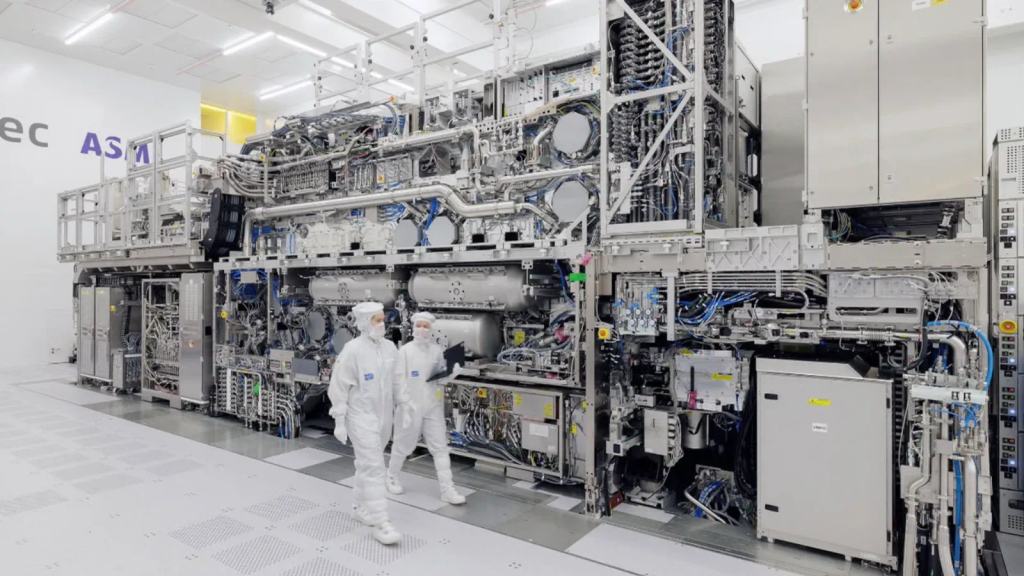
Investors were also watching ASML, a Dutch company that makes specialised equipment used to manufacture advanced computer chips.
Its business is closely connected to the global semiconductor industry because chipmakers rely on its machines to produce some of the most advanced components.
A positive business outlook from a major equipment supplier can influence how investors view demand across the wider technology sector.
The main question for markets was inflation in the United States. Inflation measures how quickly the prices of goods and services rise over time. Investors were waiting for the September consumer price index report to see whether prices were increasing faster than expected.
The figures could influence the Federal Reserve, the US central bank, as it considers whether interest rates should rise, fall or remain unchanged.
Interest rates matter because they affect the cost of borrowing money.
When rates are high, businesses may pay more to borrow funds for new equipment, expansion or hiring.
Consumers may also face higher costs on certain loans.
When rates fall, borrowing can become cheaper, although the effect depends on the type of loan and wider economic conditions. Investors therefore study inflation figures closely because they can provide clues about future central bank decisions.
Oil prices added another concern.
Reports on Wednesday put Brent crude, an international oil benchmark, near $106.50 a barrel as tensions around the Strait of Hormuz supported prices.
Higher oil costs can increase spending on transport, manufacturing and electricity in many parts of the world. If businesses face higher costs, some may raise prices, reduce spending or delay expansion plans.
For small businesses, the effects of global markets can reach beyond stock exchanges.
A company that imports equipment or supplies may have to pay more when transport and energy costs rise.
Businesses that borrow money may also face pressure if interest rates remain high.
Owners can respond by tracking expenses carefully, reviewing suppliers and using suitable digital tools to manage customer relationships and operations.
Platforms such as Auxi Sherpa helps businesses explore digital services for marketing, online presence and business growth.
The latest market movement does not mean that technology stocks will continue rising or that inflation has been brought under control. Investors are waiting for fresh evidence before making bigger decisions.
The inflation report may influence expectations about US interest rates, while oil prices and demand for advanced chips will remain important factors for global businesses.
For companies and households, the wider lesson is that energy costs, borrowing costs and technology investment can all affect the price of doing business.
If you have an article, opinion piece, event or news story you would like published, Global News Arena would love to hear from you.
Get in touch through the Global News Arena contact page.