The price of oil jumped on Thursday, October 8, 2026, as growing trouble in the Middle East and a storm approaching the United States raised concerns about the world’s fuel supply.
Brent crude, a major international oil price, rose by 4.1 percent to $104.28 per barrel. US oil known as West Texas Intermediate also increased by 3.6 percent to $91.49 per barrel.
The rise showed how quickly oil prices can change when traders fear that less oil may be available. Although prices eased after US President Donald Trump said the United States would not attack Iran before the November 3 midterm elections, worries about oil supplies remained.
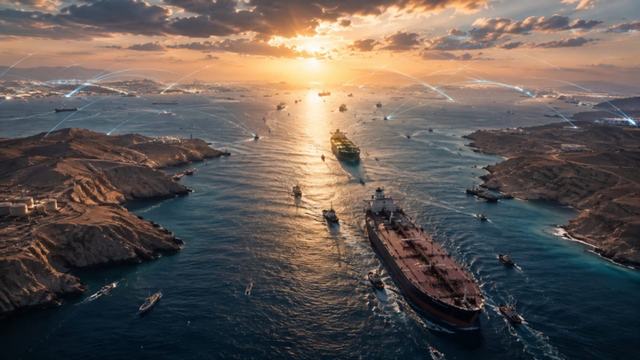
One major reason for the increase was the growing danger to ships carrying oil from the Middle East.
The region supplies large amounts of the oil used by countries around the world.
In recent days, attacks on ships and fears about further fighting have made the movement of oil more difficult and uncertain.
When ships cannot travel safely, or companies fear that deliveries may be delayed, buyers worry that there may not be enough oil arriving on time. That fear can push prices higher even before a shortage reaches petrol stations.
The Strait of Hormuz is especially important in this situation. It is a narrow sea route between the Persian Gulf and the wider ocean, and it is used to transport large amounts of oil and fuel.
Before the current war disrupted shipping, oil and fuel shipments through the strait represented about one fifth of global oil and fuel flows.
When ships face danger there, countries that depend on these deliveries become concerned about getting enough fuel.
Finding another route can take time and may cost more money.
The Middle East is not the only source of pressure on oil supplies.
A powerful storm called Hurricane Isaias was also approaching the US Gulf Coast, forcing oil companies to stop some offshore production as a safety measure.
By Thursday, about 1.3 million barrels of oil production per day had been temporarily shut down in the Gulf of Mexico, according to figures reported by Reuters.
This meant that the oil market was facing pressure from two directions at once.
Trouble in the Middle East was affecting shipping, while bad weather was reducing production in an important oil producing region of the United States.
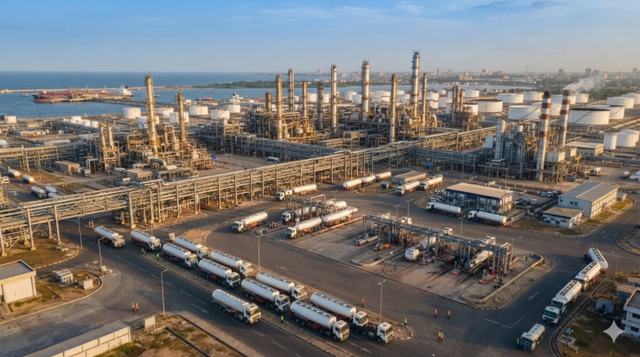
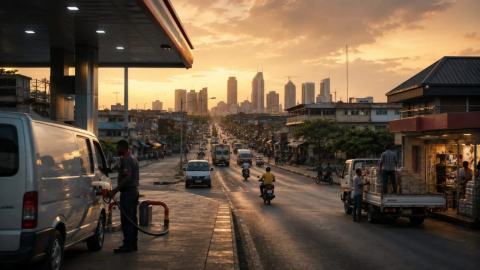
The effects of rising oil prices can reach people who have never bought a barrel of oil. Petrol and diesel are needed to move buses, trucks, ships and many other vehicles.
When fuel becomes more expensive, transport companies may have to spend more money to deliver goods and carry passengers.
Food sellers may pay more to move their products from farms and warehouses to markets.
Factories may also face higher costs for running equipment and transporting materials.
Businesses can try to absorb some of these extra costs, but others may increase their prices, leaving households with less money to spend on other needs.
The latest price changes also show why the oil market can be difficult to predict.
On Friday, October 9, oil prices fell after Trump’s comments about avoiding an attack on Iran before the US elections eased some fears about the conflict.
However, Brent crude remained on track for a weekly gain after the sharp rise on Thursday.
The market was still watching developments around the Strait of Hormuz, negotiations between the United States and Iran, and the impact of the hurricane on American oil production.
A temporary fall in prices does not necessarily mean that the underlying supply problems have disappeared.
For governments and businesses, the situation is a reminder of the risks of depending too heavily on one source of energy.
Countries can reduce some of these risks by improving public transport, investing in renewable energy, supporting electric vehicles where practical and making fuel use more efficient.
Businesses can plan delivery routes carefully, reduce unnecessary journeys and prepare for sudden changes in operating costs.
Platforms such as Auxi Sherpa help businesses find practical support and services as they work to manage operational challenges.
These steps cannot remove oil dependence overnight, but they can make countries and businesses better prepared for future disruptions.
The biggest lesson from the latest oil price jump is that events in one part of the world can affect the cost of living in many other places.
A conflict that disrupts shipping, or a storm that stops production, can influence how much countries pay for energy and how much businesses spend to operate.
Countries cannot replace oil immediately because transport systems, factories and many industries still depend on it.
Understanding this dependence is important for anyone trying to understand why fuel prices rise and why those increases can affect food, transport and everyday goods.
If you have an article, opinion piece, event or news story you would like published, Global News Arena would love to hear from you.
Send a message to Global News Arena contact to get in touch.