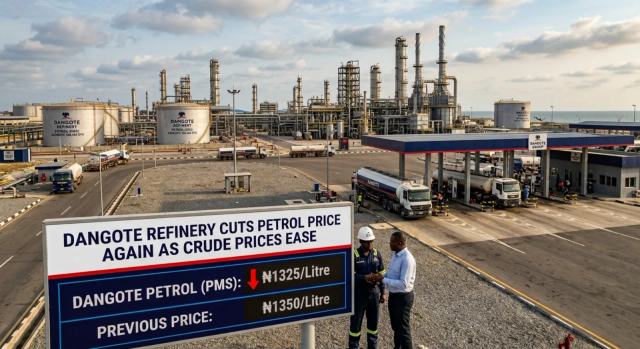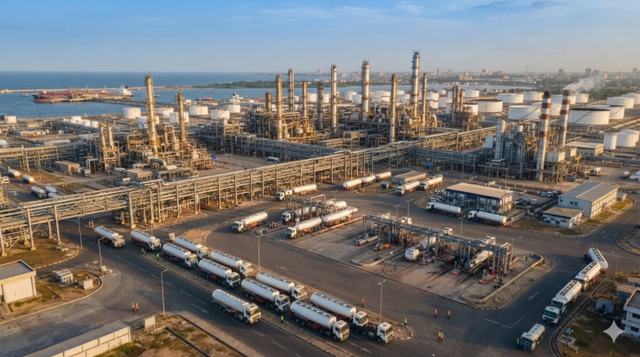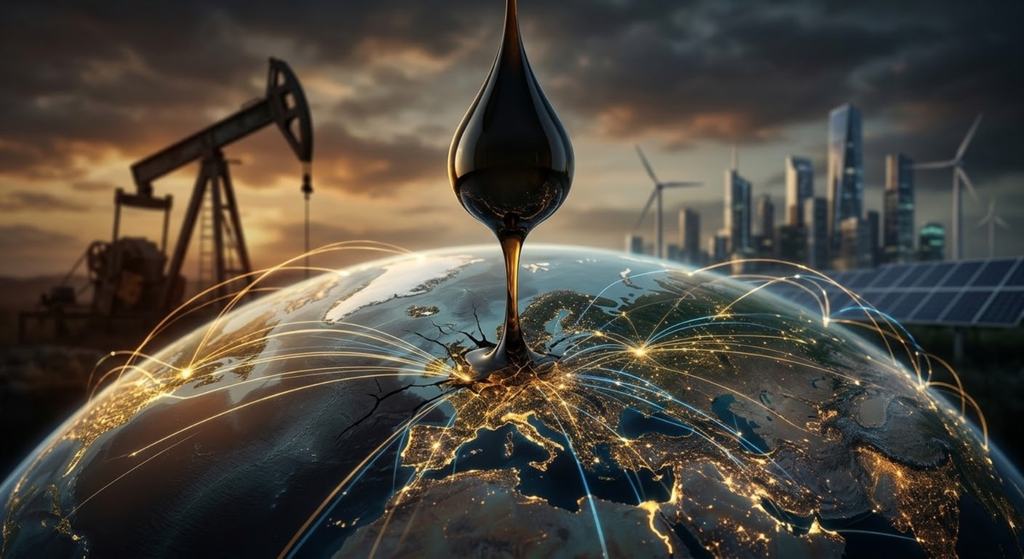
Oil remains one of the most important resources in the world because it does much more than fuel cars. It powers trucks, ships and aircraft, supports factories and helps move food and other essential goods from producers to customers.
When oil prices rise, the effects can spread through an entire economy.
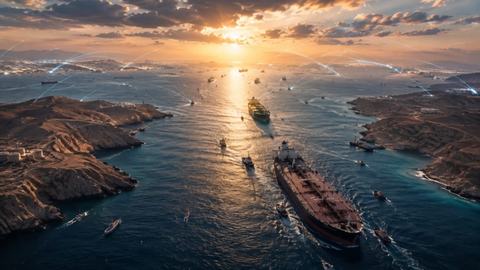
One reason countries depend so heavily on oil is transportation.
Businesses need fuel to move raw materials to factories, deliver finished products to shops and transport people to work.
When fuel becomes more expensive, transport companies face higher bills.
Those extra costs can eventually appear in the prices customers pay for food, clothing and other goods.
Oil is also used to produce materials that people encounter every day. Plastics, synthetic fabrics, lubricants and some chemicals used in manufacturing are made from petroleum or rely on products derived from it.
This means that reducing oil dependence requires more than replacing petrol cars with electric vehicles. Industries also need alternative materials and production methods.
Another challenge is the cost of changing existing systems.
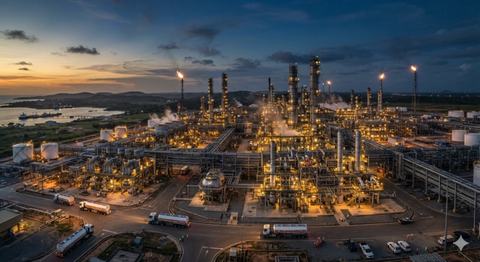
Countries have spent decades building roads, refineries, fuel storage facilities, distribution networks and vehicles designed to use petroleum products.
Replacing these systems requires major investment, careful planning and time. Even when cleaner alternatives are available, they may not be affordable or practical for every business or household immediately.
Oil also plays a role in national energy security and government revenue.
Countries that produce and export oil can earn substantial income from selling it.
At the same time, countries that import much of their fuel can become vulnerable when international prices rise.
Governments may face pressure to reduce the impact on households while managing the cost of importing energy.
This dependence can make life harder for ordinary people.
Higher fuel costs can increase transport fares, make food delivery more expensive and raise operating costs for small businesses.
Employers may struggle to maintain profits, while households may have less money left for rent, education and other essential expenses.
Countries can reduce these risks by developing a wider mix of energy sources, improving public transport, supporting electric vehicles where practical and investing in renewable power.
Businesses can also improve fuel efficiency, reduce unnecessary journeys and review delivery routes.
These changes may not remove oil dependence overnight, but they can gradually reduce how much an economy is exposed to sudden price increases.
The goal is not simply to stop using oil immediately.
It is to give countries and businesses more choices so that a rise in oil prices does not create the same level of disruption every time.
Economies that invest in alternatives, efficient transport and better energy planning can become more resilient while the world continues its transition towards cleaner energy.
If you have an article, opinion piece, event or news story you would like published, Global News Arena would love to hear from you.
Send a message to Global News Arena contact to get in touch.