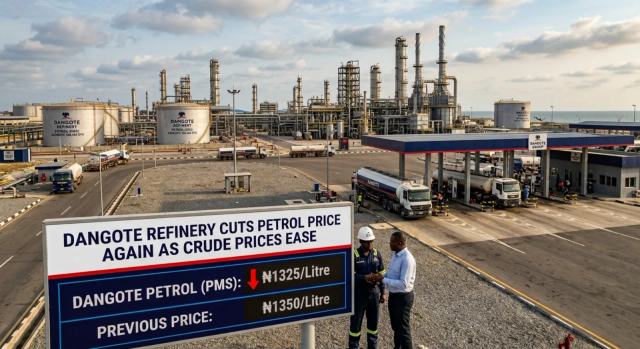
Nigeria is one of the world’s major oil producing countries, but for many years the country depended heavily on imported petroleum products because local refining capacity was not enough to meet demand.
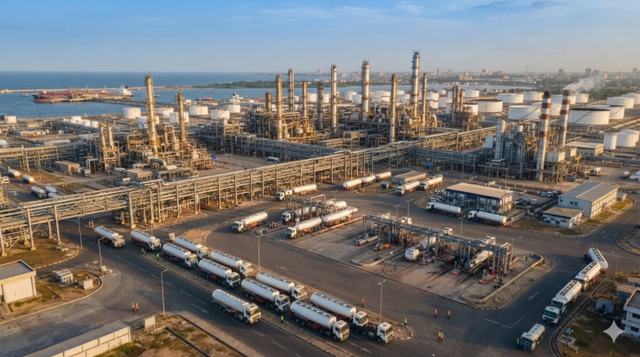
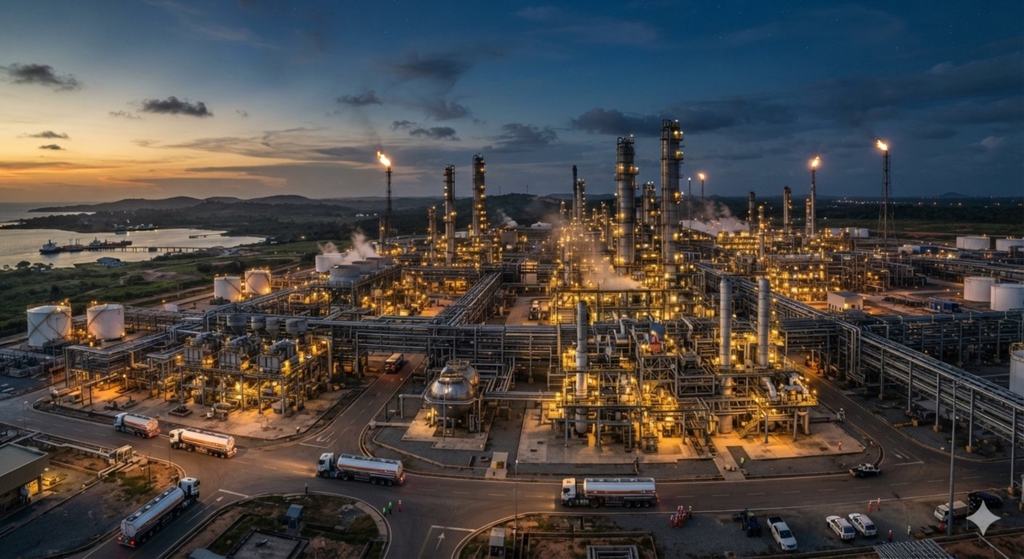
A refinery changes crude oil into useful products such as petrol, diesel and aviation fuel. Instead of sending crude oil abroad and buying finished fuel back, a country with enough refining capacity can process more of its own crude locally.
More local refineries can bring several benefits.
They can create jobs, support local businesses and reduce the amount of money spent importing finished petroleum products.
Refining also creates opportunities beyond the refinery itself.
Transport companies, engineers, maintenance companies, security providers, suppliers and other businesses can benefit from a growing domestic energy industry.
However, building and operating a refinery requires enormous investment.
Refineries need reliable equipment, skilled workers, electricity, transportation networks and access to crude oil.
The wider fuel market also needs competition.
Having more suppliers can give consumers and businesses more choices and can reduce the risk of depending too heavily on one source.
For Nigeria, stronger refining capacity can therefore be an important part of building a more resilient economy.
The goal is not simply to produce petrol locally.
It is to build an energy system that can support businesses, workers and households more reliably.
If you have an article, opinion piece, event or news story you would like published, Global News Arena would love to hear from you.
Send a message to Global News Arena contact to get in touch.