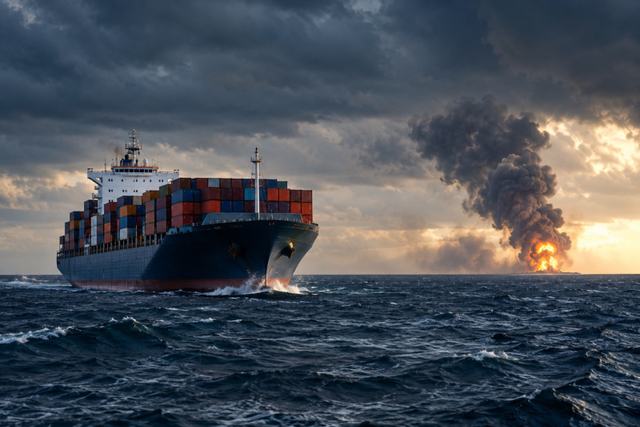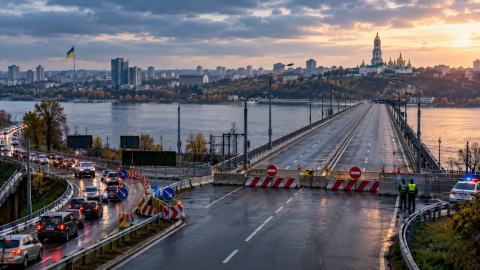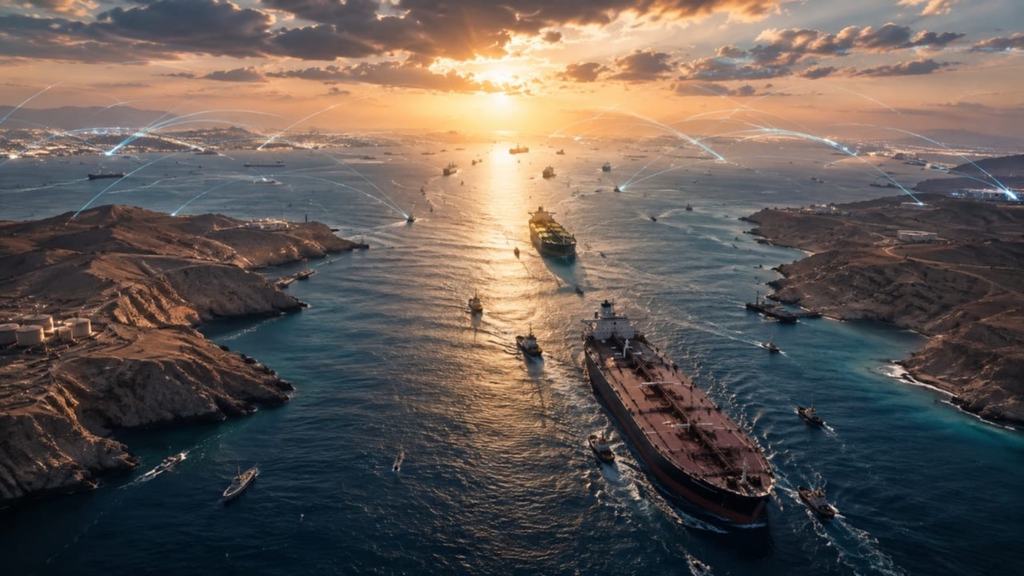
It was a narrow stretch of water on a map, far away from the average business owner, worker or household. But that distance is disappearing. As shipping traffic through the strait collapses amid the continuing Middle East conflict, a problem that began with tankers and military tensions is becoming a problem for the global economy.
On Thursday, only four commodity vessels passed through the Strait of Hormuz, according to preliminary shipping data reported by Reuters. The 10-day average had been about 16 vessels. The decline matters because the strait is one of the world’s most important energy routes, carrying around 20 million barrels of oil and oil products every day under normal conditions.
And this is where the story becomes bigger than Iran, Israel, the United States or the Gulf.
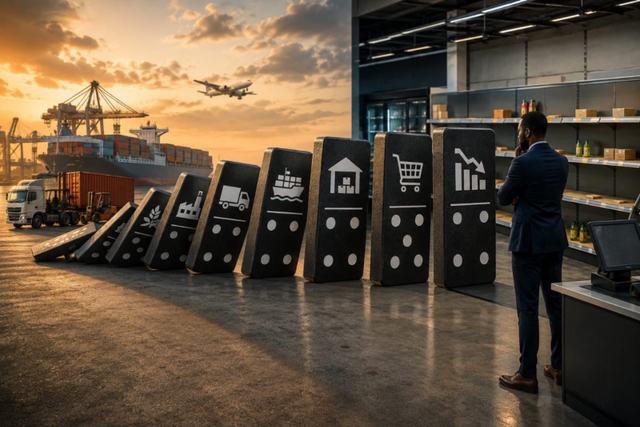
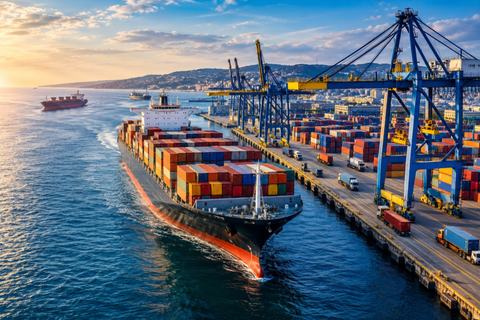
When ships cannot move normally, oil cannot move normally. When oil becomes harder or more expensive to move, the cost of transportation, manufacturing, aviation, electricity and other activities that depend on energy can rise. The shock can travel through supply chains long before the average consumer ever hears the name of the shipping route responsible for it.
That is the part businesses should be paying attention to.
A company does not have to import crude oil to be exposed to a global supply-chain crisis. A retailer depends on transportation. A manufacturer depends on energy and imported materials. A logistics company depends on fuel. A digital business still depends on customers whose own purchasing power can be affected by rising costs. The further a business is from understanding its dependencies, the harder it becomes to respond when one of them suddenly changes.
The Strait of Hormuz also shows why depending too heavily on one route, one supplier, one product or one source of income can become dangerous. There are alternative pipelines and routes, but the International Energy Agency says their capacity is far smaller than the normal volume moving through Hormuz. That means there is no simple switch that can instantly replace the waterway.
For businesses, the lesson is not to predict the next geopolitical crisis. Nobody can reliably do that. The lesson is to build a business that can absorb disruption. That means understanding where customers come from, keeping communication channels active, developing more than one way to generate revenue, controlling avoidable costs and having systems that allow the business to adapt when circumstances change.
This is also where many small businesses make a costly mistake. They wait for a crisis before thinking about visibility, customer communication and growth. By then, competitors that already have stronger systems, clearer messaging and better customer relationships have a head start.
Auxi Sherpa approaches that problem from the business-support side. From content and social media management to helping businesses communicate their value and maintain a stronger digital presence, the service is designed around one basic principle: a business should not disappear simply because its environment has become difficult.
Global disruptions may be outside a business owner’s control. How prepared the business is to respond does not have to be. In a world where a conflict thousands of kilometres away can affect fuel, shipping and operating costs, resilience is no longer a luxury reserved for large corporations. It is part of staying in business.
The Strait of Hormuz is a reminder that modern business does not operate in isolation. A disruption in one part of the world can become a cost, delay or opportunity somewhere else. The businesses that understand that connection early are better positioned to adapt when the next disruption arrives.
If you have an article, opinion piece, event or news story you would like published, Global News Arena would love to hear from you.
Send an email to advertise@globalnewsarena.com.