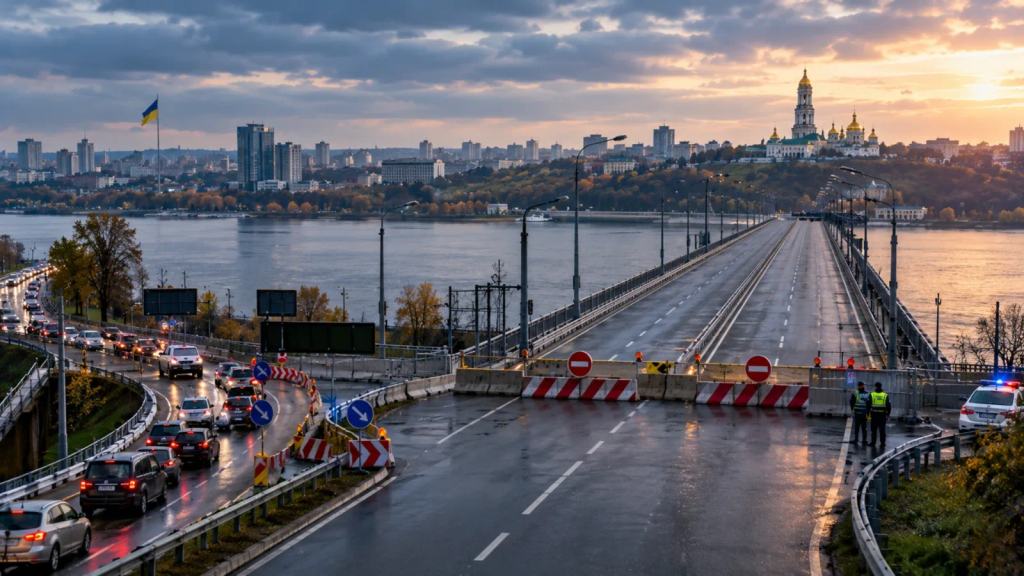
A bridge does not have to collapse completely to cause a major problem.
Sometimes closing it is enough.
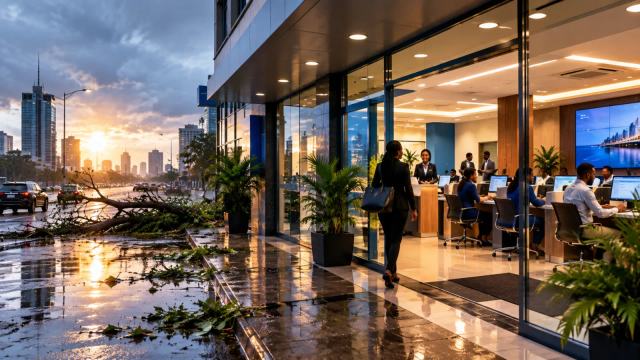
In Kyiv, Russian air strikes have damaged infrastructure including the Southern Bridge over the Dnipro River. Authorities also closed the Paton Bridge and imposed restrictions on another major crossing.
The strikes killed one person and injured two, while a school and residential infrastructure were also affected. The closures forced traffic onto alternative routes and disrupted movement across the city.
The immediate story is about the damage.
The wider story is about dependence.
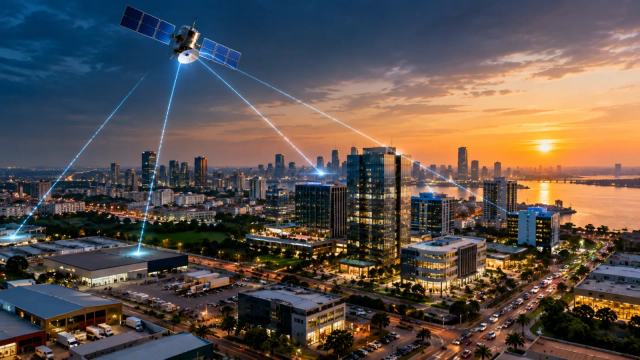
A city depends on its roads, bridges, electricity, communication networks and public transport systems working together.
When one important part is disrupted, the consequences can spread far beyond the original point of failure.
Businesses face the same problem.
A company may depend on one payment system.
One website.
One supplier.
One employee.
One database.
One person managing customer enquiries.
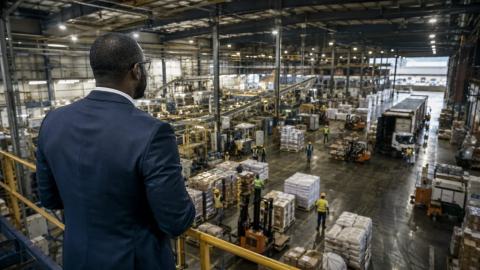
When that critical point fails, everything connected to it can slow down.
This is why business resilience is becoming more important.
A resilient business does not assume that everything will always work perfectly.
It prepares for interruptions.
Customer enquiries can be routed through organized systems rather than sitting inside one employee's phone.
Important customer information can be stored centrally.
Follow ups can be automated.
Routine customer support can continue even when the usual employee is unavailable.
Auxi Sherpa's AI business automation and customer support capabilities are designed around this type of operational resilience.
Businesses can use automation to manage repetitive communication, organize enquiries and maintain sales follow up while employees focus on issues that require direct attention.
The objective is not to predict every possible disruption.
Nobody can.
The objective is to make sure one disruption does not become a complete operational shutdown.
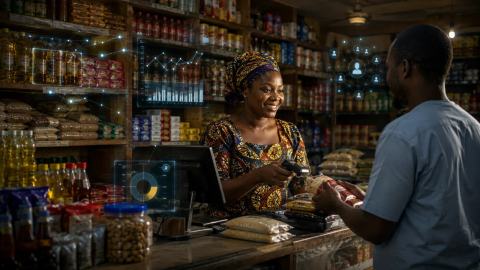
That lesson applies to a small Nigerian business just as much as it applies to a large international organization.
If one person leaves, can customers still get answers?
If a website goes down, can enquiries still be captured?
If the office closes for a day, can sales conversations continue?
If the business suddenly receives twice as many enquiries, can the team handle them?
These are not technology questions alone.
They are business continuity questions.
Kyiv's disrupted bridges show how dependent modern life is on systems that most people only notice when they stop working.
Businesses should take the same lesson seriously.
The best time to build resilience is before something goes wrong.
If you have an article, opinion piece, event or news story you would like published, Global News Arena would love to hear from you.
Send an email to advertise@globalnewsarena.com.