Nigeria is preparing to put another major piece of digital infrastructure into the sky.
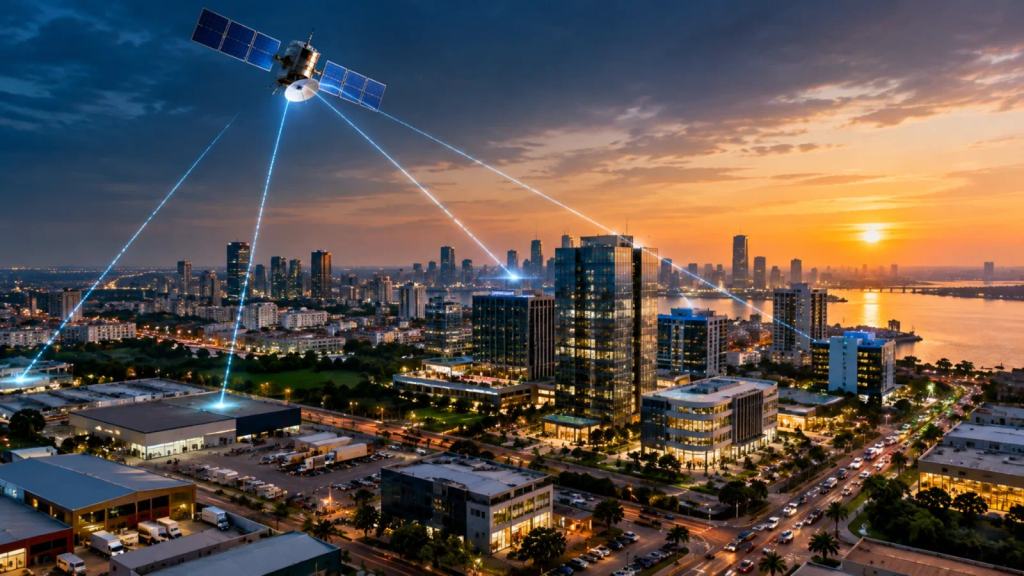
NIGCOMSAT has signed a contract with Thales Alenia Space to develop NigComSat 2A, a new geostationary telecommunications satellite expected to provide broadband internet, television broadcasting, voice services and other digital services across Africa.
The satellite is designed to reach areas where traditional terrestrial networks remain limited, including underserved and remote communities.
It is expected to have an in orbit service life of more than 15 years.
On the surface, this is a story about satellites.
But underneath it is a much bigger question for Nigerian businesses.
What happens when more people can get online, but businesses are not ready to serve them?
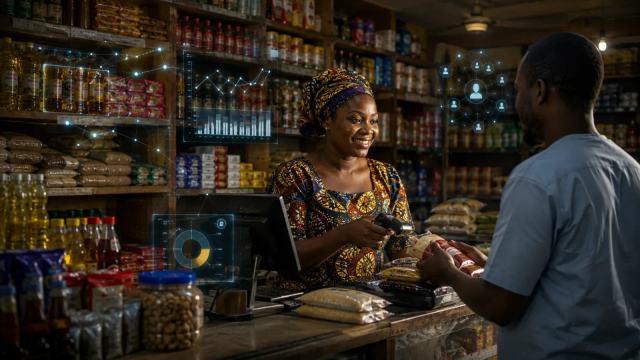
Nigeria’s digital economy has created new ways for companies to reach customers without relying entirely on physical locations.
A customer can discover a business on Google, send a message on WhatsApp, visit a website, request a quotation and expect a response without ever walking into an office.
That creates opportunity.
It also creates pressure.
More connectivity means more potential customers can find businesses.
It can also mean more enquiries, more messages, more leads and more expectations for quick responses.
A business that still handles every enquiry manually can quickly find itself overwhelmed.
Someone sends a message at night and gets a response the next morning.
A potential customer asks for a quotation and nobody follows up.
A sales lead gets buried under other conversations.
Important customer information remains scattered across phones, spreadsheets and different messaging platforms.
The problem is no longer simply whether the business is connected.
The problem is whether the business has built systems around that connection.
Digital infrastructure can open the door, but businesses still have to decide what happens after the customer walks through it.
That is why automation is becoming increasingly important.
Businesses can now use AI powered systems to handle repetitive enquiries, organize customer information, follow up with potential customers and keep routine communication moving without requiring someone to manually monitor every conversation.
Platforms such as Auxi Sherpa are built around this kind of business infrastructure. AI automation can connect different parts of daily operations, while sales and customer support systems can help businesses respond to opportunities instead of allowing them to disappear inside an overloaded inbox.
The technology does not replace the business owner or the employee responsible for the customer.
It gives them a better system to work with.
That distinction matters.
Nigeria investing in satellite infrastructure can improve the ability of people and businesses to connect.
But connectivity itself is only the beginning of the digital economy.
The real economic value comes when businesses can turn that connectivity into communication, sales, customer relationships and productive work.
A faster digital world will not automatically create more efficient businesses.
The companies that benefit from it will also need to rethink how they operate inside that world.
Because when more customers can reach you, the question is no longer simply whether they can find your business.
It is whether your business is ready when they do.
If you have an article, opinion piece, event or news story you would like published, Global News Arena would love to hear from you.
Send an email to advertise@globalnewsarena.com.