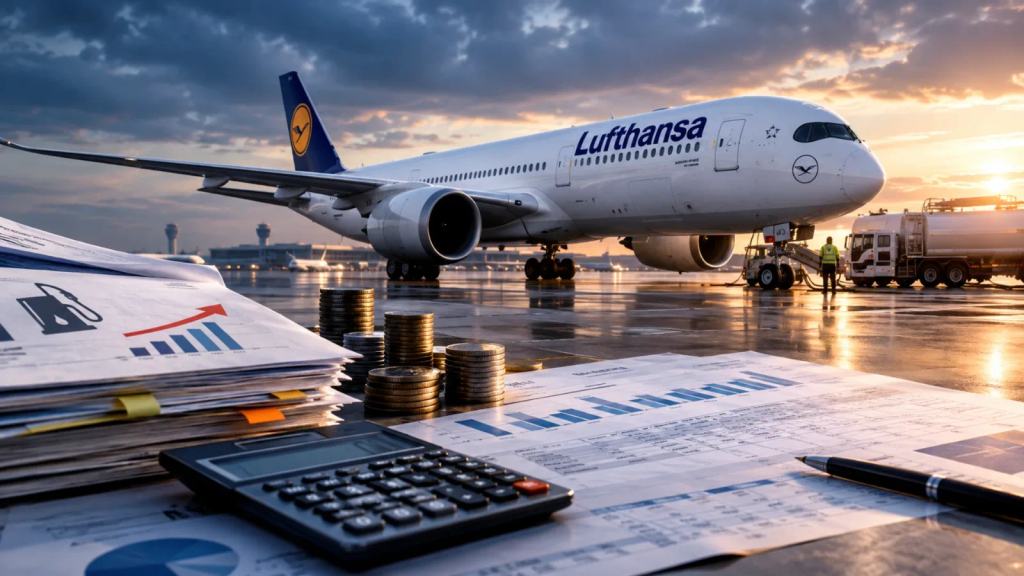
For an airline, fuel is not a minor expense.
It is one of the costs that can determine whether a route is profitable, whether fares need to rise and how much money remains after operations are paid for.
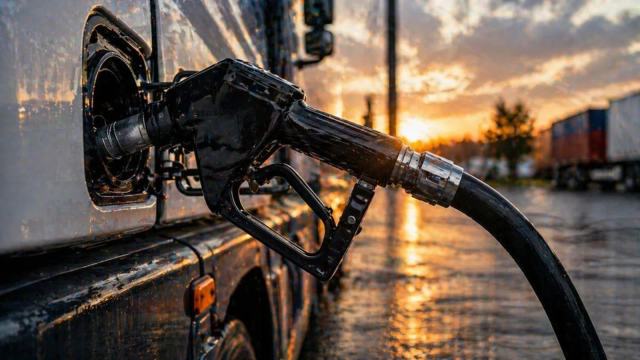
Lufthansa is now facing an even bigger fuel bill.
The German airline's chief executive says the company's additional jet fuel costs this year will exceed the €1.5 billion burden it previously expected.
Fuel already represents roughly 30% to 40% of airline costs.
That makes the situation bigger than an accounting problem.
When fuel prices rise sharply, airlines cannot simply absorb every increase without consequences.
They have to examine routes, ticket prices, operating efficiency and other costs.
But this raises a question that applies to almost every business.
What do you do when one of your biggest expenses is controlled by forces outside your business?
A manufacturer cannot control global energy prices.
A logistics company cannot control diesel prices.
A restaurant cannot control every supplier cost.
A retailer cannot control international shipping rates.
Businesses can negotiate, adjust prices and look for alternatives.
But there is another area they can control much more directly.
Their own efficiency.
When external costs rise, internal waste becomes more expensive.
Employees spending hours on repetitive tasks cost more.
Missed sales opportunities become more painful.
Slow customer follow up becomes more expensive because every lost opportunity matters more when margins are under pressure.
Platforms like Auxi Sherpa with its AI business automation and sales automation systems helps businesses reduce repetitive manual work, manage customer enquiries and improve follow up. By making internal processes more efficient, businesses can make better use of the resources they already have.
That does not eliminate rising fuel prices.
It addresses what the business can control.
And that distinction matters.
Companies do not need to control every external factor to remain resilient.
They need to build systems that allow them to respond when external factors change.
Lufthansa's fuel bill is a reminder that even major companies can face costs they cannot simply switch off.
For smaller businesses, the lesson may be even more important.
When costs rise, efficiency stops being an optional improvement.
It becomes part of survival and growth.
If you have an article, opinion piece, event or news story you would like published, Global News Arena would love to hear from you.
Send an email to advertise@globalnewsarena.com.