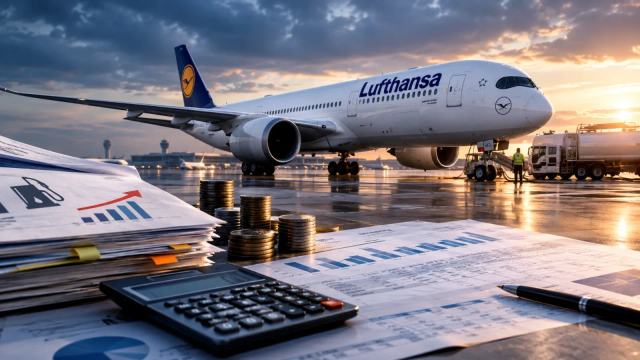
The global diesel market is facing a supply squeeze that could last well into 2027. Inventories in major markets have fallen sharply as conflicts involving Iran and Ukraine disrupt supply chains. US diesel prices have already moved above $6 per gallon, while the US Energy Information Administration expects inventories to remain below the five years low through most of 2027.
That matters because diesel is not simply another fuel.
It keeps trucks moving.
It supports agriculture, manufacturing and construction.
It helps businesses transport products from one location to another.
When diesel becomes more expensive or harder to obtain, the impact spreads through the economy.
A delivery company pays more to operate its vehicles.
A manufacturer may face higher transportation costs.
A retailer may pay more to move products from suppliers.
Eventually, those costs can reach customers.
But there is another problem that businesses should not overlook.
When operating costs rise, inefficiency becomes much more expensive.
A company that wastes time on manual processes during normal conditions may survive the inefficiency.
When fuel, transportation and other operating expenses rise sharply, the same waste can begin eating into already pressured margins.
Every unnecessary trip costs more.
Every missed sales opportunity becomes more valuable.
Every customer enquiry that goes unanswered represents a potential source of revenue that the business may need more than ever.
That is why businesses need to look beyond simply cutting expenses.
Auxi Sherpa can help businesses improve efficiency through AI business automation, customer enquiry management and sales follow up systems.
The idea is simple. When external costs are rising, businesses need to make sure their internal processes are not creating additional costs.
Automation can help reduce repetitive work, organize enquiries and ensure potential customers are not forgotten simply because a team is busy.
It cannot lower the global price of diesel.
But it can help a business reduce the amount of time and opportunity it wastes while dealing with higher costs.
The diesel shortage is a global problem.
The response, however, can begin at the level of individual businesses.
Companies cannot control geopolitical events or global fuel supplies.
They can control how prepared their systems are when those events begin affecting them.
And sometimes, protecting a business during a crisis is not about doing more.
It is about wasting less.
If you have an article, opinion piece, event or news story you would like published, Global News Arena would love to hear from you.
Send an email to advertise@globalnewsarena.com.