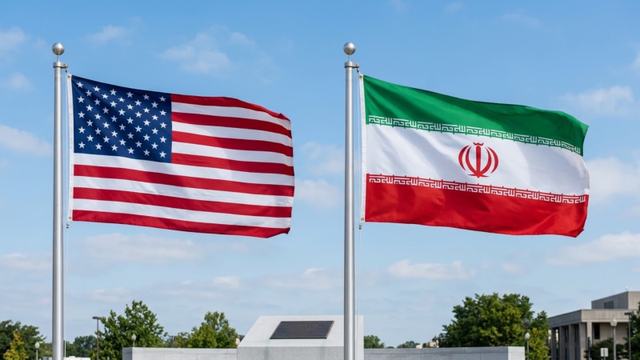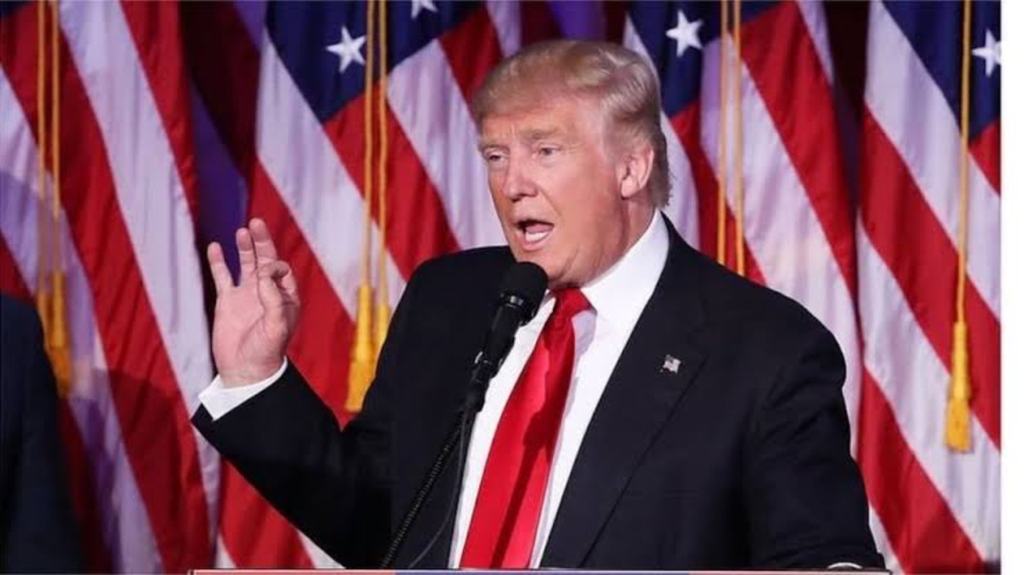
US President Donald Trump has said that the United States will not attack Iran before November 3, 2026, the date of the American midterm elections.
He also said that discussions with Iran were making progress and described the talks as productive. His statement has drawn attention because the two countries are still trying to find a way to end their war.
However, Trump’s announcement does not mean that a peace agreement has been reached.
Important questions about Iran’s nuclear programme, economic sanctions and the future of the fighting remain unresolved.
The conflict began in February 2026, when the United States and Israel launched attacks on Iran.
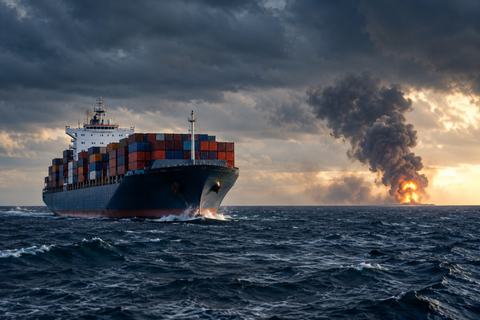
Since then, the fighting has created serious security concerns and uncertainty across the Middle East. It has also affected oil supplies and shipping, raising fears that energy prices could remain high.
Trump’s latest statement offers a possible opening for further discussions, but people and businesses are still waiting to see whether the talks will lead to a lasting end to the conflict.
Although Trump says the discussions are progressing, the two countries have not agreed on all the steps needed to stop the war.
The United States wants Iran to accept stronger limits on its nuclear activities. American officials are concerned that Iran could develop the ability to make a nuclear weapon.
Iran, however, has refused to give up its nuclear enrichment programme or hand over its stockpile of enriched uranium.
US Vice President JD Vance has said that Iran must make meaningful reductions in its ability to enrich uranium. This remains one of the biggest disagreements between the two sides.
Money is another major problem in the negotiations.
The United States has imposed economic sanctions on Iran, which restrict its ability to do business with many countries and access parts of the international financial system.
Iran wants sanctions lifted and frozen Iranian funds released. It also wants the US blockade affecting Iranian ports to end.
These demands show that Iran is not only asking for the fighting to stop. It also wants economic relief that would help the country recover from the pressure caused by the conflict.
The United States and Iran have yet to agree on how these demands should be handled.
The Strait of Hormuz is another important part of the negotiations. This narrow waterway connects the Persian Gulf to the wider ocean and is used by ships carrying oil and other goods.
Any serious disruption there can make it harder and more expensive to transport energy around the world.
Iran has included reopening the strait in its proposals, alongside steps to stop the fighting and address the US blockade.
But the two countries have not reached an agreement on the conditions for moving forward.
The disagreement is important because the effects of the conflict are not limited to Iran and the United States.
Reports have also described efforts to exchange proposals through intermediaries.
Iran has put forward a plan involving a pause in hostilities, the lifting of the US blockade, the release of frozen funds and a return to nuclear negotiations.
The United States rejected Iran’s latest proposal, showing that important differences remain even while both sides discuss possible solutions.
Iran’s foreign minister has said that Tehran is reviewing the US response to its proposal concerning the Strait of Hormuz.
These developments suggest that communication is continuing, but communication alone cannot guarantee peace.
Both countries still need to agree on what each side must do and how any agreement would be carried out.
Trump’s statement matters to ordinary people because a prolonged conflict can affect the price of fuel, transport, food and other everyday needs.
When oil supplies become uncertain, businesses may face higher costs for moving goods and running their operations.
Some of those extra costs can eventually reach consumers. Families already struggling with living expenses may find it harder to manage their budgets.
Businesses that depend on shipping and fuel may also have to spend more money to keep operating. Even if the fighting does not spread to other countries, uncertainty about what happens next can still affect markets and household spending.
For now, Trump’s promise not to attack Iran before November 3 gives the ongoing talks a clear period in which diplomacy may continue.
But the announcement should not be mistaken for a promise that the war will end by that date.
The two countries still need to settle their disagreements over nuclear activities, sanctions, frozen funds, the blockade and shipping through the Strait of Hormuz.
A lasting agreement would require both sides to accept clear terms and follow them.
The coming days will therefore be important in showing whether the reported progress can produce real results.
The wider question is why these two countries have found it so difficult to agree on peace.
Trump’s announcement offers a possible opening for diplomacy, but until the countries agree on the details and carry them out, the risk of renewed conflict remains.
If you have an article, opinion piece, event or news story you would like published, Global News Arena would love to hear from you.
Send a message to Global News Arena contact to get in touch.