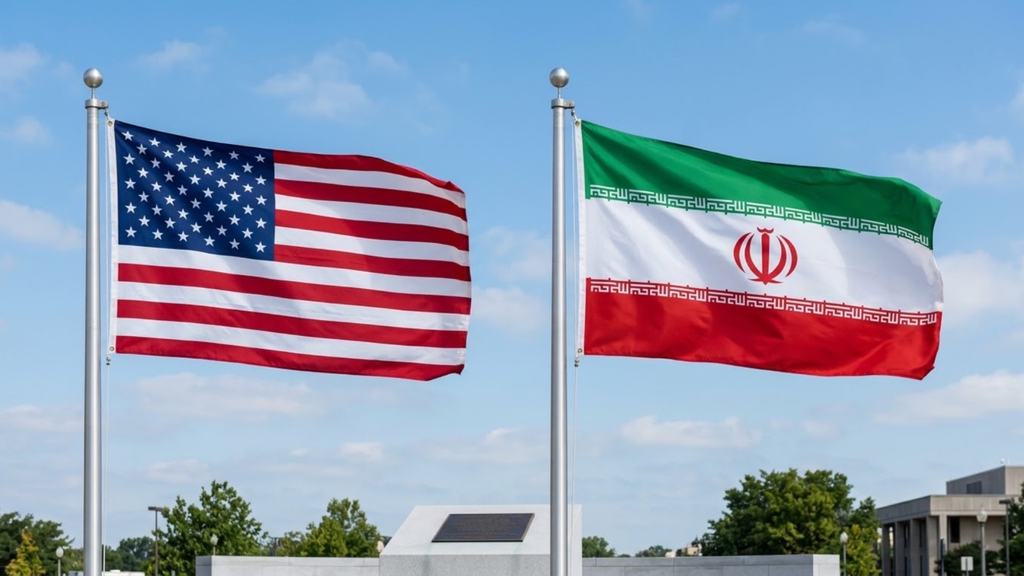
The United States and Iran have disagreed for decades over nuclear activity, economic sanctions, regional security and the role each country should play in the Middle East.
These disagreements have made negotiations difficult, even when both sides have reasons to avoid a wider conflict.
One major issue is Iran’s nuclear programme.
The United States wants Iran to accept restrictions that would prevent it from developing nuclear weapons.
Iran says its nuclear programme is for peaceful purposes and has resisted demands it considers unfair or a threat to its independence.
Economic sanctions are another major obstacle.
Washington has used restrictions on trade, finance and Iranian oil sales to pressure Tehran over its policies.
Iran wants sanctions relief, arguing that its economy has suffered under these measures.
Negotiations become harder when one side demands changes before offering relief and the other wants relief before making major concessions.
Trust is also a serious problem. Officials on both sides have questioned whether agreements will last.
When governments believe an opponent might change its position after an agreement is signed, they may demand stronger guarantees or refuse to make concessions.
Domestic politics can make negotiations even more complicated. Leaders must consider how their decisions will be received at home.
An agreement that requires difficult compromises can face criticism from political opponents, security officials or members of the public who believe their country is giving up too much.
A peace agreement also needs more than a public announcement.
Negotiators must agree on specific conditions, how compliance will be checked, what happens if the terms are broken and how disagreements will be resolved.
Without clear arrangements, a temporary pause in fighting may not lead to lasting peace.
The consequences of failed negotiations can extend beyond the countries directly involved.
Conflict can create uncertainty for neighbouring states, disrupt trade, increase government spending and make businesses less confident about investing.
Ordinary people can face higher living costs, insecurity and interruptions to everyday life.
A lasting agreement therefore requires more than promises to stop fighting.
Both sides need clear terms, credible monitoring and a willingness to address the disagreements that caused the conflict.
Whether the United States and Iran can reach such an agreement depends on their ability to turn negotiations into commitments that both sides are prepared to honour.
If you have an article, opinion piece, event or news story you would like published, Global News Arena would love to hear from you.
Send a message to Global News Arena contact to get in touch.