Russian Missile Attack on Kyiv Raises Fresh Fears Before Peace Talks
READ: Russia Hits Ukraine With One of Its Biggest Attacks
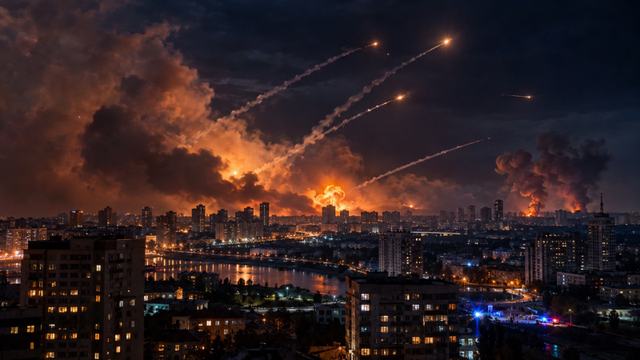
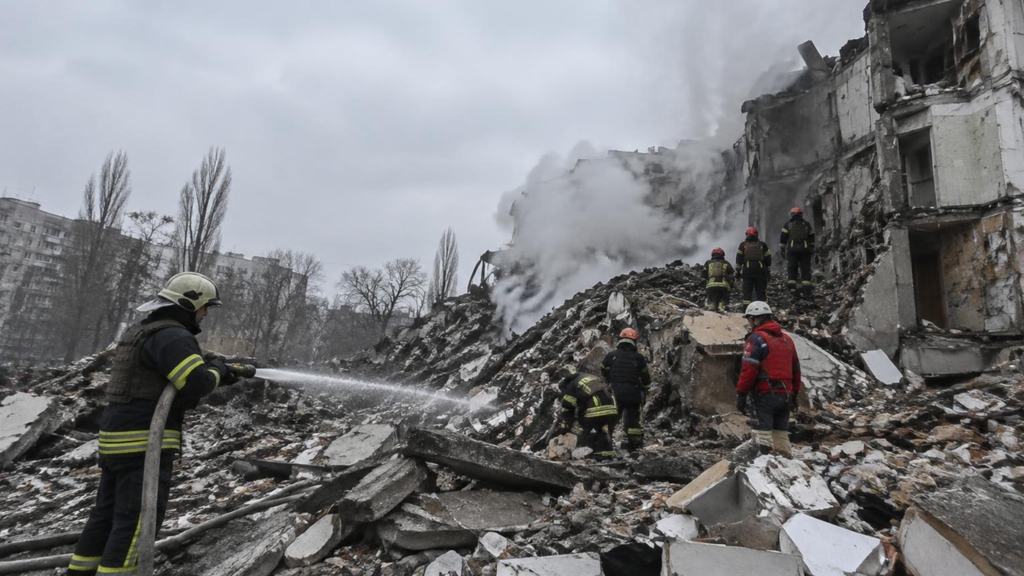
A Russian missile attack on Kyiv has renewed concerns about civilian safety and Ukraine’s energy security, after explosions rocked the Ukrainian capital overnight into Saturday, November 7, 2026, leaving people injured and damaging homes, businesses and critical infrastructure.
Read: Do you need a professional writer in 72 hours? Contact Auxi Chat
According to reports from the Associated Press and Reuters, Russian forces launched missiles at Kyiv and surrounding areas, with the overnight assault damaging residential buildings and energy facilities. Authorities also reported disruptions to essential services, including electricity, heating and water supplies.
READ: Why the United States and Iran Struggle to Reach a Peace Deal
The attack came just days before Ukrainian, Russian and United States representatives were expected to meet in Abu Dhabi, the capital of the United Arab Emirates, for another round of negotiations aimed at ending the war.
The timing has placed renewed attention on the relationship between military operations and diplomatic efforts. While international representatives continue exploring possible paths towards a settlement, civilians in Kyiv remain exposed to attacks that threaten their homes, livelihoods and access to essential services.
Read: Need a professional website in 72 hours? Contact Auxi Chat
For Ukraine, the latest strikes present an immediate challenge as colder weather approaches and the country continues efforts to protect its energy infrastructure. They also raise questions about whether diplomatic negotiations can achieve meaningful progress while attacks on cities and critical facilities continue.
Russian Missile Attack on Kyiv Damages Homes and Infrastructure
The overnight attack caused damage across parts of the Ukrainian capital, according to city officials cited by international news agencies.
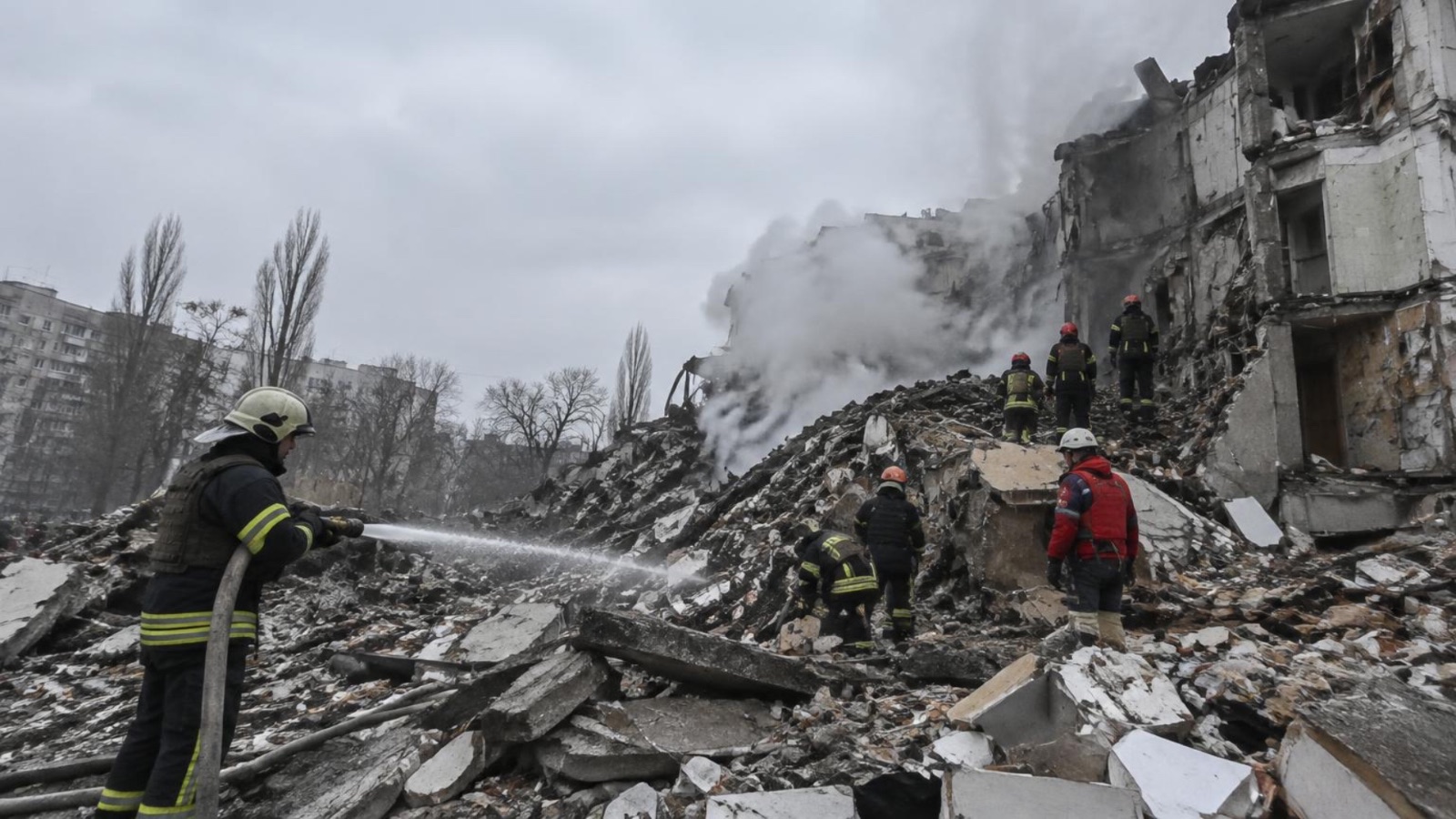
Reuters reported that missile strikes damaged residential buildings and energy infrastructure, while debris from the attack affected a residential building in western Kyiv. A kindergarten building was also reported damaged, highlighting the risks facing civilian facilities during the assault.
The Associated Press reported that at least five people were injured in the attack on Kyiv. Reuters reported a different casualty tally in its coverage, reflecting a separate update on the developing incident. Casualty figures may change as emergency services assess the damage and authorities release further information.
The attack also affected infrastructure serving the capital and surrounding areas. Ukrainian officials reported damage to energy facilities in the Kyiv and Zhytomyr regions, adding pressure to systems already facing disruption from repeated attacks.
Kyiv Mayor Vitali Klitschko warned that the city's energy situation was extremely difficult, with damage affecting heating and water supplies as well as electricity.
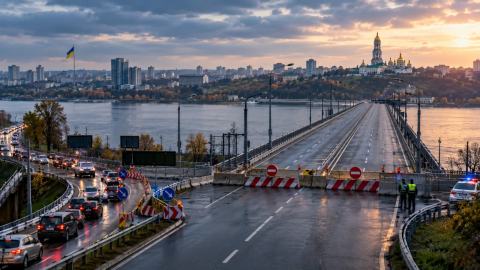
The Northern Bridge over the Dnipro River was also damaged, according to reports, leading to its closure to traffic. The disruption added another complication for residents navigating the capital during an emergency.
The full consequences of the attack depend on continued assessments by emergency workers and local authorities. However, the reported damage illustrates how missile strikes can affect several aspects of urban life simultaneously, from housing and transport to electricity and water distribution.
Ukraine Prepares for US-Brokered Peace Talks in Abu Dhabi
The attack came ahead of a planned meeting involving representatives of Ukraine, Russia and the United States on Tuesday, November 10, in Abu Dhabi.
The negotiations are intended to explore ways to end the war, which began with Russia's full-scale invasion of Ukraine in February 2022. The proposed meeting represents another attempt to move discussions forward after previous rounds failed to resolve major disagreements.
According to the Associated Press, the upcoming negotiations would be the fourth round brokered by the administration of US President Donald Trump. The previous round took place in Geneva in February.
The diplomatic initiative faces substantial obstacles. Territorial disputes, security guarantees and the future political and military arrangements between Russia and Ukraine remain among the most difficult issues to resolve.
For Ukraine, any agreement would have to address the country's security and territorial integrity. Russia's demands and Ukraine's insistence on protecting its sovereignty have contributed to the continuing impasse.
The latest attack adds pressure to an already complicated diplomatic environment. It demonstrates that military operations remain a central part of the conflict even as officials prepare to return to negotiations.
Nevertheless, the planned talks offer another opportunity for representatives to discuss possible arrangements for reducing hostilities and reaching a settlement. Whether that opportunity produces concrete progress remains uncertain.
Energy Infrastructure Becomes a Major Concern as Winter Approaches
The damage reported after the Russian missile attack on Kyiv has again highlighted Ukraine's vulnerability to strikes against energy infrastructure.
Electricity, heating and water are essential services, particularly as temperatures fall. Damage to power facilities can affect homes, hospitals, businesses, transport systems and other services that depend on a reliable electricity supply.
The consequences can extend beyond the immediate location of a strike. Energy networks connect different parts of a region, meaning damage to individual facilities may create wider disruptions while engineers and emergency teams work to restore supplies.
Kyiv's mayor described the city's energy situation as extremely difficult following the overnight attack. Officials also reported damage to energy facilities in the wider Kyiv and Zhytomyr regions.
The timing is particularly significant as Ukraine prepares for winter. Cold weather increases demand for heating, making the reliability of energy infrastructure a pressing concern for households and public services.
Repeated attacks can also complicate maintenance and recovery efforts. Engineers may need to inspect damaged facilities, obtain replacement equipment and carry out repairs while the possibility of further strikes remains.
For residents, interruptions to electricity, heating and water can make ordinary activities difficult. Families may face uncertainty over how long services will remain disrupted, while businesses must consider the effects of outages on operations and staff.
The latest attack therefore raises concerns that extend beyond the immediate destruction. Protecting energy infrastructure and restoring damaged services will remain important priorities for Ukrainian authorities as the conflict continues.
Civilians Face Growing Risks as Attacks Continue
The latest missile strikes have again placed civilian safety at the centre of concerns surrounding the war.
Residential buildings, commercial properties and community facilities can be damaged when missiles strike populated areas or when debris falls from intercepted weapons. Even where a building is not directly hit, explosions can shatter windows, damage surrounding structures and create risks for people nearby.
The reported damage to homes and a kindergarten in Kyiv illustrates the potential consequences for ordinary residents. Such incidents can force people to leave damaged properties, disrupt children's education and place additional demands on emergency responders.
The effects of an attack can continue long after the explosions stop. Damaged buildings may require structural inspections, while affected families may need temporary accommodation and assistance replacing essential belongings.
Disruptions to public infrastructure can also complicate emergency response efforts. Road closures may affect movement around the city, while electricity and communication problems can make it harder for residents to obtain information and access services.
Authorities typically advise residents to follow official air-raid alerts, use designated shelters when instructed and avoid damaged buildings until emergency teams have declared them safe.
For Kyiv's population, the latest assault is another reminder of the uncertainty created by a war that has repeatedly exposed cities to long-range attacks.
Russia's Campaign Against Ukrainian Infrastructure
The attack forms part of the broader military campaign in which Russia has repeatedly targeted locations across Ukraine, including energy facilities and other infrastructure.
Moscow has said that its military operations target Ukrainian military-industrial, energy and transport infrastructure. Ukrainian authorities, meanwhile, have repeatedly warned that strikes on essential facilities endanger civilians and disrupt services needed by the wider population.
Assessing the consequences of individual attacks requires distinguishing between claims made by the parties to the conflict and information independently confirmed by journalists or other reliable sources.
In the latest incident, reports from international news organisations and Ukrainian officials indicate that residential buildings, commercial properties and energy facilities were damaged. The reported disruptions to heating, water and electricity illustrate the wider impact that infrastructure strikes can have on civilian life.
The repeated damage to energy systems also creates a longer-term reconstruction challenge. Repairs require resources, technical expertise and time, while continuing military operations can make the protection and maintenance of infrastructure more difficult.
The consequences extend into the economy. Businesses affected by outages may struggle to operate, households can face additional costs, and public authorities must allocate resources to emergency response and repairs.
READ: Russia Launches a Full-Scale Invasion of Ukraine
These pressures add to the challenges Ukraine faces as it seeks to maintain essential services while pursuing diplomatic efforts to end the conflict.
What the Latest Attack Means for the Peace Process
The proximity of the Kyiv attack to the planned Abu Dhabi meeting highlights the difficult environment in which peace negotiations are taking place.
Diplomatic talks can create opportunities to explore compromises, establish communication channels and discuss measures intended to reduce violence. However, negotiations do not automatically produce an end to military operations, particularly when the parties remain divided over territory, security and the terms of a possible settlement.
The latest strikes are therefore unlikely, on their own, to determine the outcome of the upcoming meeting. They do, however, underline the urgency of efforts to reduce the human and economic costs of the war.
For Ukraine, the immediate priorities include protecting civilians, restoring damaged infrastructure and maintaining essential services. For negotiators, the challenge is to identify proposals that can address the core disagreements preventing a durable agreement.
The United States has continued to support diplomatic efforts involving Moscow and Kyiv. The next round of discussions will test whether renewed engagement can produce progress on issues that have remained unresolved through previous negotiations.
Any lasting settlement would need to address more than a temporary reduction in attacks. Questions about territorial control, future security arrangements and the implementation of an agreement would remain central to determining whether a settlement could endure.
Until such issues are resolved, residents of Kyiv and other Ukrainian cities are likely to continue facing uncertainty over their safety and access to essential services.
Kyiv Attack Highlights the Cost of a War Without a Settlement
The Russian missile attack on Kyiv has once again exposed the distance between diplomatic efforts and the realities experienced by civilians.
As officials prepare for negotiations in Abu Dhabi, residents are dealing with damaged buildings, infrastructure disruptions and concerns about heating and water supplies. The contrast illustrates the challenge facing international efforts to end a conflict that continues to affect everyday life across Ukraine.
The upcoming meeting may provide another opportunity to explore a path towards peace, but significant disagreements remain. The success of the negotiations will depend on whether the parties can move beyond broad diplomatic statements and reach workable agreements on security, territory and the future relationship between the two countries.
In the meantime, restoring essential services and protecting civilians remain immediate concerns for Ukrainian authorities. Damage to energy infrastructure is particularly serious as colder weather approaches, when reliable heating and electricity become increasingly important.
The latest attack does not establish whether the planned talks will succeed or fail. It does, however, underline the urgency of finding a way to reduce hostilities while addressing the issues that have prolonged the war.
For Kyiv's residents, the most immediate measure of progress will be whether they can live with greater security, depend on essential services and face fewer threats to their homes.
As Ukraine prepares for another round of peace negotiations, the central question remains whether diplomatic efforts can translate into meaningful improvements on the ground and eventually bring an end to the violence.
The writer of this article does not claim to know the individuals named personally. The information about their backgrounds, as published on Global News Arena, is based on independent online research.
Are you interested in learning how to write professionally and earning money as a writer and content creator? Contact Auxi Chat today to start your writing journey immediately.
If you have an article, opinion piece, event or news story you would like published, Global News Arena would love to hear from you.