Ukraine Strikes Crimean Bridge in Major Escalation of War
READ: Russia Hits Ukraine With One of Its Biggest Attacks
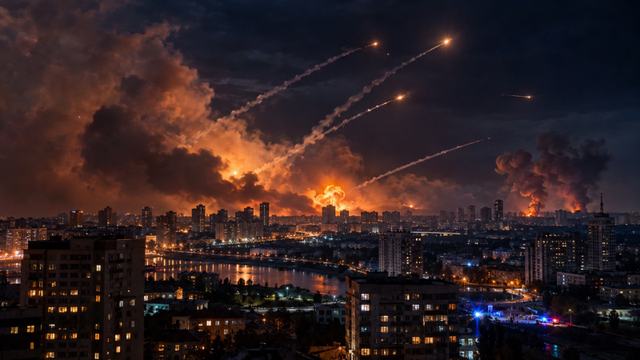
The war between Russia and Ukraine entered another dangerous phase on Tuesday, November 17, after Ukrainian forces struck the Crimean Bridge for a second consecutive day as Russian missiles hit key bridges and infrastructure in Kyiv.
Read: Do you need a professional writer in 72 hours? Contact Auxi Chat
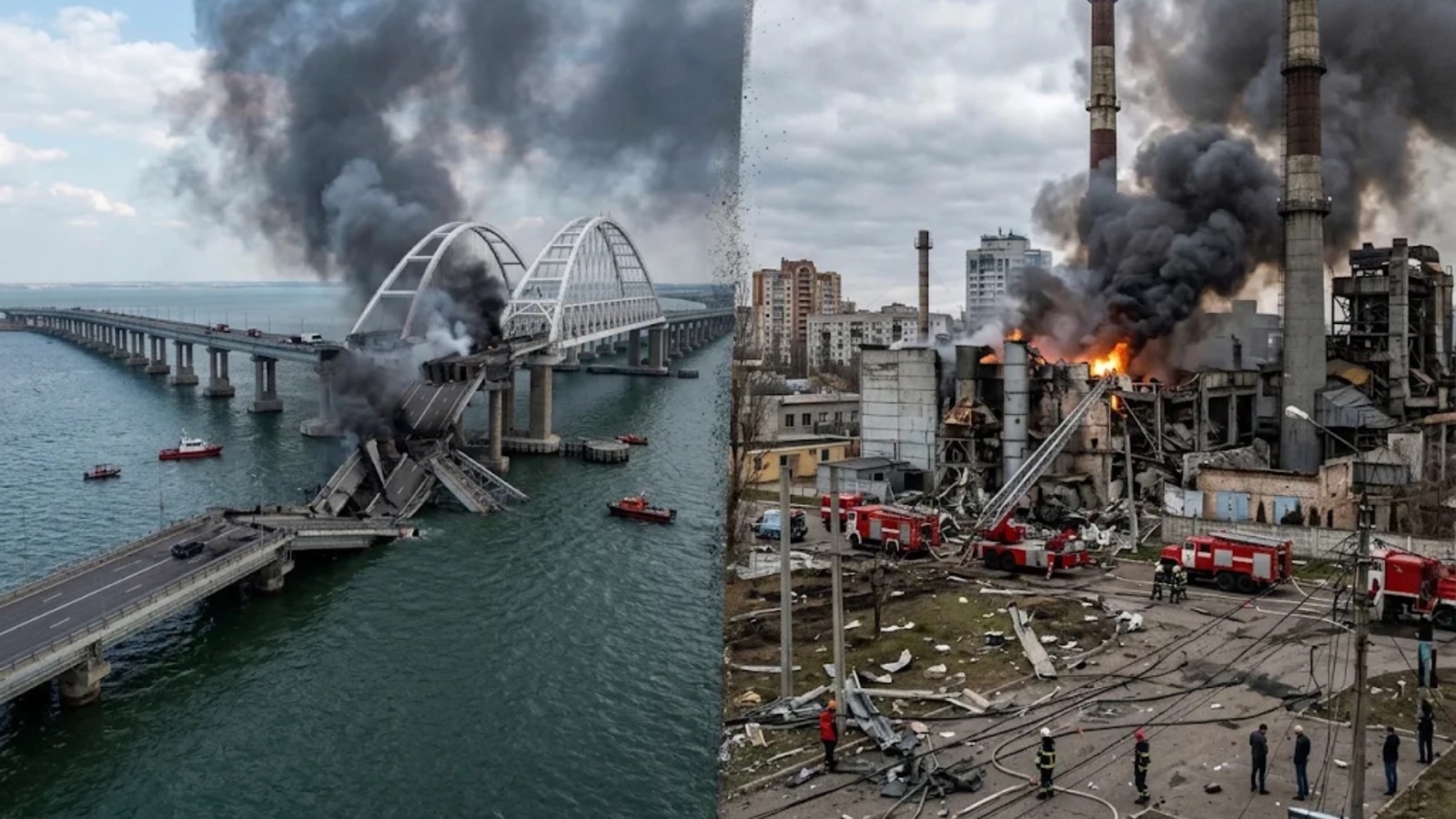
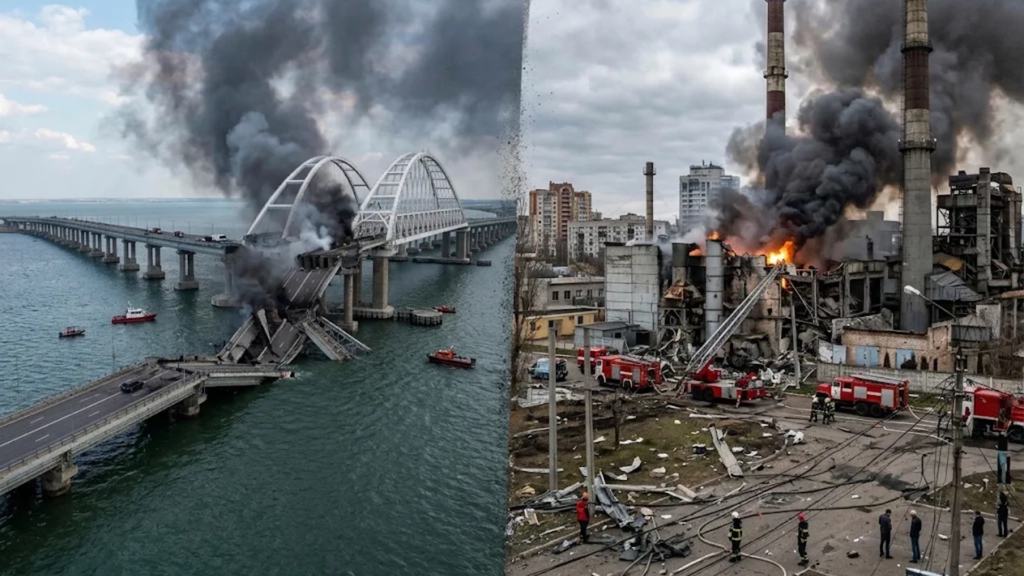
The Crimean Bridge, also known as the Kerch Bridge, connects Russia’s mainland to the occupied Crimean Peninsula. The attack caused major structural damage, with reports indicating that a large section of the road span had collapsed into the Kerch Strait.
READ: Russian Missile Attack on Kyiv Damages Homes Ahead of Peace Talks
The Russian-installed governor of Crimea reported that two people were killed in the latest attack and that traffic across the bridge had been suspended. The full extent of the damage was still being assessed as both countries continued their attacks.
The strikes came amid a major exchange of drones and missiles, with each side targeting infrastructure that supports transport, military operations and energy supplies.
Read: Need a professional website in 72 hours? Contact Auxi Chat
Why Ukraine Struck the Crimean Bridge
Ukrainian President Volodymyr Zelensky said the attack was carried out in response to Russian strikes on Ukrainian infrastructure. He described it as part of a carefully planned operation involving the Security Service of Ukraine and other elements of the country’s defence forces.
According to Zelensky, the operation unfolded in several stages over a number of weeks. Ukrainian forces reportedly targeted Russian air defence systems, radar equipment and electronic warfare facilities before launching the final attack on the bridge.
Ukraine said it used domestically produced drones and missiles during the operation. The country has repeatedly targeted the bridge since Russia launched its full-scale invasion in February 2022.
The Crimean Bridge has strategic and political importance for Moscow. Opened in 2018, it became a major transport connection between Russia and Crimea, the peninsula Russia annexed from Ukraine in 2014.
Although the bridge once served as a major supply route for Russian forces, Moscow has increasingly relied on a land corridor through Russian-controlled parts of southern Ukraine. Even so, damage to the bridge can disrupt transport, complicate logistics and force authorities to reconsider how supplies and passengers move between the peninsula and mainland Russia.
Crimean Bridge Damage Raises Questions About Russian Defences
The latest attack has renewed questions about Russia’s ability to protect important infrastructure from Ukrainian drone and missile strikes.
The bridge has been targeted before, including in a 2022 truck bombing that killed four people and damaged the structure. Russia subsequently strengthened security around the crossing.
This time, Ukrainian officials said their forces carried out a multi-stage operation designed to weaken protective systems before striking the bridge itself.
Footage and images circulating after the attack appeared to show extensive damage to the roadway. Reuters reported that the full extent of the destruction was initially uncertain, while subsequent reporting described the road span as severely damaged.
Russian authorities said they would assess the damage and determine the necessary repair work. The interruption to traffic also raised concerns about the time required to restore normal movement across the crossing.
The bridge is more than a transport link. It is a symbol of Russia’s control over Crimea, making attacks against it significant both militarily and politically.
Russia Pounds Kyiv Bridges and Energy Infrastructure
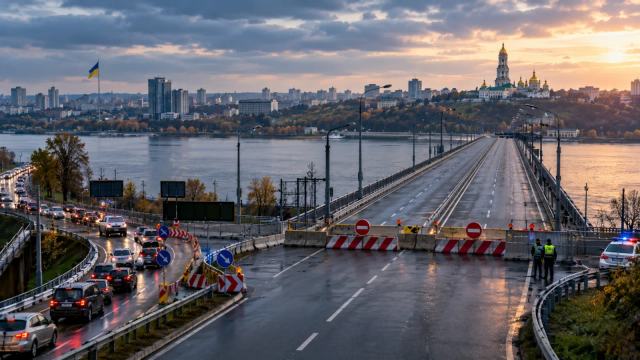
While Ukraine attacked the Crimean Bridge, Russian forces struck two major bridges in Kyiv, according to the Ukrainian capital’s mayor, Vitali Klitschko.
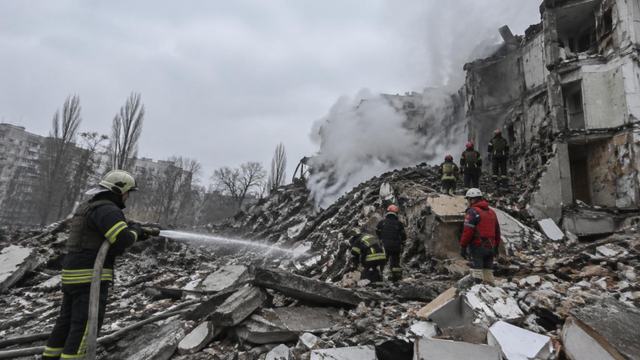
The attacks hit the North and South bridges, which cross the Dnipro River and connect different parts of the city. Klitschko said the strikes caused partial damage to the metro system, disrupted transport and contributed to water and electricity interruptions.
Russia also launched attacks against other Ukrainian regions, including areas around Cherkasy, Kharkiv, Dnipropetrovsk and Zaporizhzhia.
Ukraine’s energy infrastructure remained under pressure. Officials reported electricity outages in eight regions following overnight attacks on energy facilities.
The disruptions came as colder weather increased the importance of reliable heating and electricity for households, hospitals and businesses. Damage to energy infrastructure can affect daily life far beyond the immediate areas struck, particularly when repairs require specialised equipment or when attacks continue before damaged facilities can be restored.
Russia’s Defence Ministry said its forces had targeted transport, military and energy facilities. Moscow and Kyiv have repeatedly offered different accounts of their military operations, and claims from either side require careful attribution.
Record Drone Claims Signal Wider Battlefield Pressure
The bridge attacks formed part of a wider exchange of drones and missiles across Russia and Ukraine.
Russia’s Defence Ministry said its air defences had intercepted or destroyed 1,441 Ukrainian drones over 22 regions. Russian officials also reported extensive drone activity around Moscow and attacks on industrial facilities.
These figures were reported by Russian authorities and were not independently verified in full by Reuters. Nevertheless, the scale of the claims points to the growing role of long-range drones in the conflict.
Ukraine has expanded its attacks against Russian military and industrial targets, including oil refineries. Kyiv argues that striking infrastructure supporting Russia’s war effort can reduce Moscow’s ability to sustain its invasion.
Russia, meanwhile, has continued targeting Ukrainian transport networks, energy facilities and other infrastructure. The resulting exchange has placed additional pressure on civilians and essential services on both sides of the border.
The intensification of attacks also demonstrates how the conflict has expanded beyond fighting along the front line. Bridges, power facilities, industrial sites and transport corridors have become important targets because they influence how each country moves supplies and sustains its military operations.
Ukraine-Russia War Continues Despite Diplomatic Efforts
The latest attacks came as diplomatic efforts to end the war continued without a major breakthrough.
Recent US-brokered talks and discussions involving Russian and Ukrainian officials had raised hopes of progress on humanitarian issues, including prisoner exchanges. However, disagreements over occupied territory and the broader terms of a settlement remained unresolved.
The attacks on the Crimean Bridge and Kyiv’s transport infrastructure underline the distance between military developments and diplomatic progress.
For Russia, damage to the Crimean Bridge creates a new challenge in maintaining transport links to the occupied peninsula. For Ukraine, the attack demonstrates its continuing efforts to strike strategic Russian assets and challenge Moscow’s control over occupied territory.
For civilians, the consequences include transport disruption, possible power and water shortages, and continued uncertainty about the safety of essential infrastructure.
What the Crimean Bridge Attack Means for the War
The latest strike is unlikely, by itself, to determine the outcome of the conflict. Its significance will depend on the extent of the damage, how quickly the bridge can be repaired and whether Ukraine can sustain similar attacks.
Russia may strengthen security around important crossings and adjust its supply routes. Ukraine may view the operation as evidence that carefully planned drone and missile attacks can reach infrastructure previously considered difficult to penetrate.
The simultaneous strikes on bridges in Crimea and Kyiv also highlight the growing importance of infrastructure in the conflict. Each side is seeking to disrupt the other’s transport and operational capacity while maintaining pressure beyond the battlefield.
For now, the Crimean Bridge remains at the centre of a wider confrontation involving military strategy, political symbolism and civilian disruption. With attacks continuing and diplomatic efforts yet to deliver a settlement, both countries face the prospect of further damage to the infrastructure their populations and armed forces depend on.
The writer of this article does not claim to know the individuals named personally. The information about their backgrounds, as published on Global News Arena, is based on independent online research.
Are you interested in learning how to write professionally and earning money as a writer and content creator? Contact Auxi Chat today to start your writing journey immediately.
If you have an article, opinion piece, event or news story you would like published, Global News Arena would love to hear from you.
Are you interested in learning how to write professionally and earn money as a writer and content creator? Contact us today to start your writing journey immediately.
Need a professional website in 72 hours? Contact us
Do you need a professional writer in 72 hours? Contact us
If you have an article, guest story, event or news tip you would like published, Global News Arena would love to hear from you.