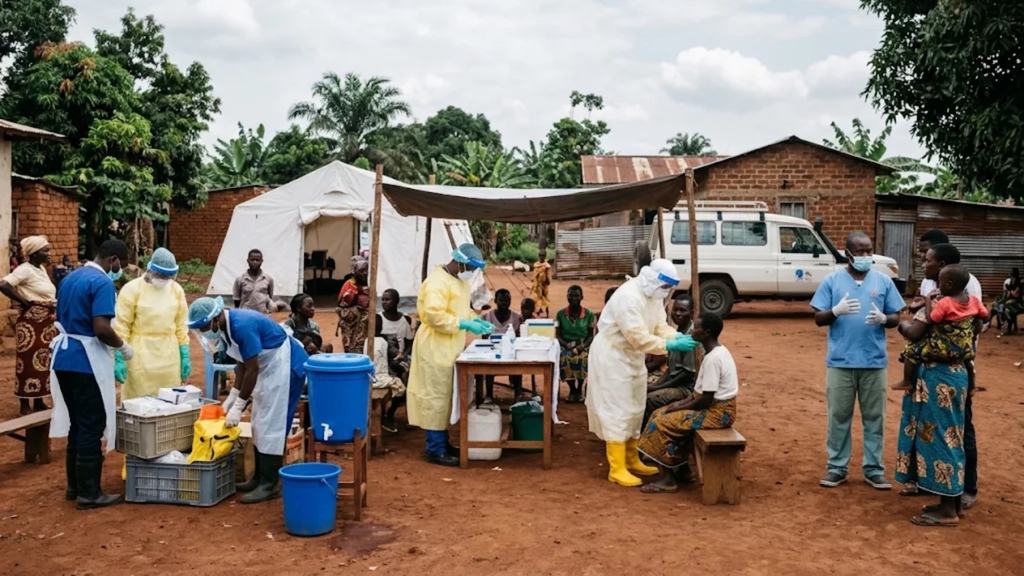
Congo’s Ebola Outbreak Raises Fresh Global Health Concerns
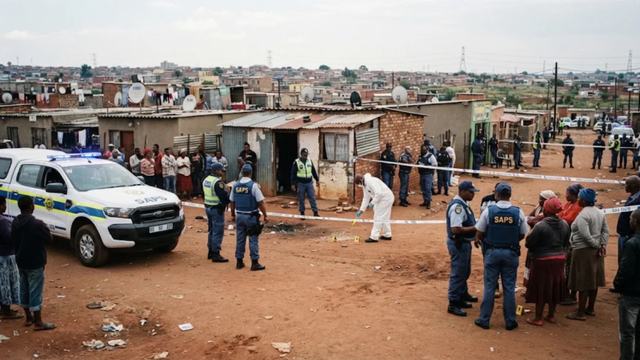
READ: At Least 17 Killed in South Africa Mass Shootings
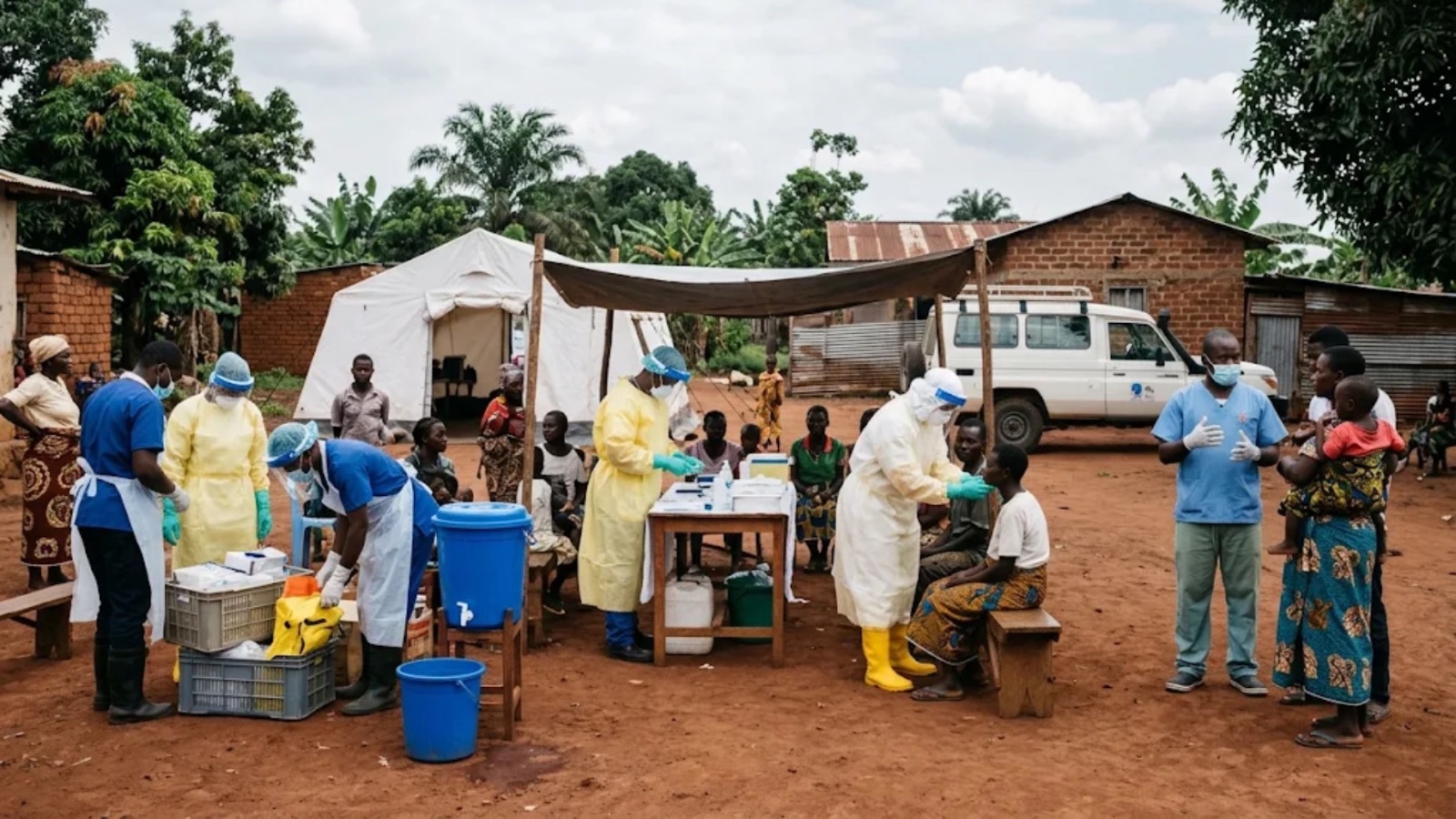
Congo’s Ebola outbreak continues to spread, with infections and deaths increasing as health authorities struggle to contain the disease in parts of the Democratic Republic of the Congo (DRC).
Read: Do you need a professional writer in 72 hours? Contact Auxi Chat
The outbreak, caused by the Bundibugyo virus, has become one of the most serious Ebola emergencies recorded globally. According to the latest available figures, the country had recorded 11,376 confirmed cases and 5,568 deaths as of November 14, 2026.
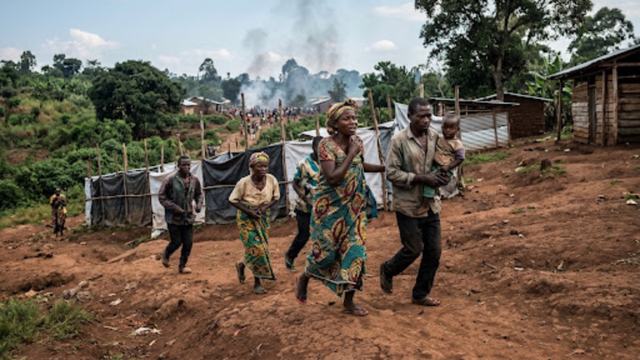
READ: Congo Ebola Patients Flee After Islamist Attack Kills Dozens
The outbreak was declared on May 15, 2026, and has affected communities across eight provinces. Although health workers and international organisations have mobilised resources to contain the virus, insecurity, inadequate supplies and difficulties gaining access to affected areas continue to obstruct the response.
The rising toll has increased concerns among public health officials, particularly because new infections are being reported in areas where health services and surveillance teams face significant challenges.
Read: Need a professional website in 72 hours? Contact Auxi Chat
The World Health Organization (WHO) has classified the outbreak as a public health emergency of international concern, requiring coordinated action by national authorities and international partners.
Why Congo’s Ebola Outbreak Is Difficult to Control
Congo’s Ebola outbreak is being driven by several overlapping challenges. Insecurity in affected areas has made it harder for medical teams to reach communities, investigate suspected infections, trace contacts and provide timely treatment.
Health workers and surveillance teams have also faced attacks, while community distrust has complicated efforts to encourage people to seek care and cooperate with disease-control measures.
In some areas, shortages of essential supplies and interruptions to response activities have further weakened containment efforts. Strikes linked to working conditions and unpaid salaries have also affected parts of the health response.
The outbreak has expanded beyond its original epicentre in Ituri province. Other affected areas include North Kivu, where transmission has added to the burden on already stretched health services.
The scale of the emergency is reflected in the latest figures. The World Health Organization's data, covering the period through November 14, recorded 11,376 confirmed infections and 5,568 deaths in the DRC.
These numbers underline the urgency of identifying new cases quickly and ensuring that suspected patients can access appropriate medical care.
Bundibugyo Virus Adds to the Public Health Challenge
The current outbreak is caused by Bundibugyo virus, a type of Ebola virus associated with severe illness and potentially fatal complications.
Unlike some other Ebola virus types, there is currently no licensed vaccine or specific treatment for Bundibugyo virus disease. Supportive medical care, early detection, infection prevention and control, and careful monitoring of exposed individuals remain important parts of the response.
Ebola can spread through direct contact with the blood or bodily fluids of an infected person who is ill or has died, as well as through contaminated objects. It does not spread simply because people live in the same country or share the same air.
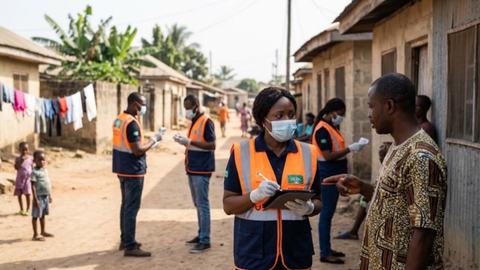
Health authorities continue to stress the importance of recognising symptoms, reporting suspected cases and following guidance from trained medical personnel. People who may have been exposed should seek professional medical advice rather than attempting to manage a suspected infection themselves.
Community engagement is equally important. Public health messages are more effective when local leaders, trusted health workers and community organisations help explain how transmission occurs and why protective measures are necessary.
International Support Faces Funding and Access Challenges
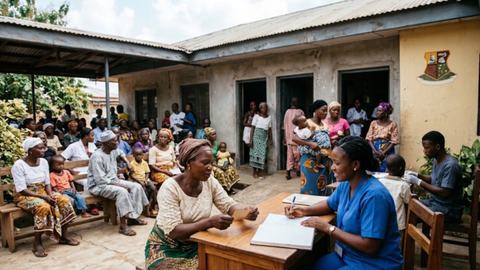
International organisations have supported the Congolese response through surveillance, laboratory testing, medical supplies and technical assistance. However, funding commitments do not automatically translate into resources reaching communities where they are most urgently needed.
Reuters reported on November 17 that billions of dollars had been pledged for the response, but less than half had been disbursed, according to Africa's leading public health agency.
The difference between pledged and available funding can affect the delivery of supplies, the deployment of health workers and the continuity of essential response activities.
The challenge is particularly serious in remote areas, where insecurity and difficult transport conditions can delay assistance. Better coordination between the Congolese government, international donors and humanitarian organisations remains essential to avoid duplication and direct resources towards urgent needs.
The response also requires cooperation with neighbouring countries. Movement across borders for trade, family visits and other activities creates a need for effective surveillance and preparedness without unnecessarily disrupting communities.
What Congo’s Ebola Outbreak Means for Africa
The outbreak has implications beyond the Democratic Republic of the Congo. Health authorities across the region must remain alert to possible imported cases and maintain the capacity to investigate suspected infections.
Nigeria has previously reported an imported case linked to the wider outbreak. According to the European Centre for Disease Prevention and Control, the individual was medically evacuated to Switzerland, and all 62 identified contacts in Nigeria completed monitoring on November 11.
That development highlights the importance of preparedness, rapid testing and contact monitoring. It does not mean that Nigeria is experiencing sustained local transmission.
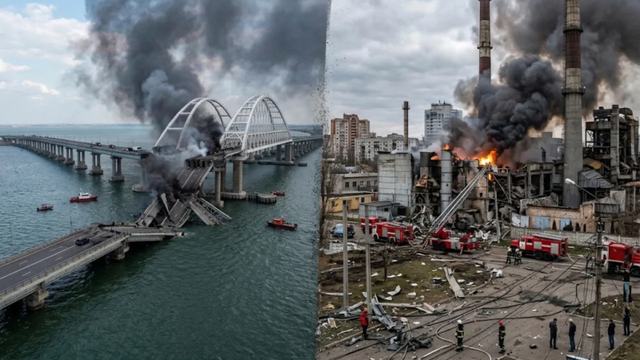
READ: Ukraine Strikes Crimean Bridge as Russia Pounds Kyiv
For the DRC, the immediate priority is to reduce infections and deaths by restoring reliable access to affected communities, strengthening medical services and supporting health workers.
For neighbouring countries, maintaining surveillance and responding quickly to suspected cases remain essential safeguards.
Congo’s Ebola outbreak is a reminder that controlling a dangerous infectious disease requires more than emergency announcements and funding pledges. It depends on trusted communication, accessible healthcare, reliable supplies and sustained cooperation.
Until those efforts reach the communities most affected, the risk of further transmission will remain a serious concern.
The writer of this article does not claim to know the individuals named personally. The information about their backgrounds, as published on Global News Arena, is based on independent online research.
Are you interested in learning how to write professionally and earning money as a writer and content creator? Contact Auxi Chat today to start your writing journey immediately.
If you have an article, opinion piece, event or news story you would like published, Global News Arena would love to hear from you.
Are you interested in learning how to write professionally and earn money as a writer and content creator? Contact us today to start your writing journey immediately.
Need a professional website in 72 hours? Contact us
Do you need a professional writer in 72 hours? Contact us
If you have an article, guest story, event or news tip you would like published, Global News Arena would love to hear from you.