US Judge Blocks Student Work Restrictions in Major Court Ruling
READ: Ukraine Strikes Crimean Bridge as Russia Pounds Kyiv
A US judge blocks student work restrictions introduced by the Trump administration, delivering a significant legal development for international students seeking practical experience while studying at American universities.
Read: Do you need a professional writer in 72 hours? Contact Auxi Chat
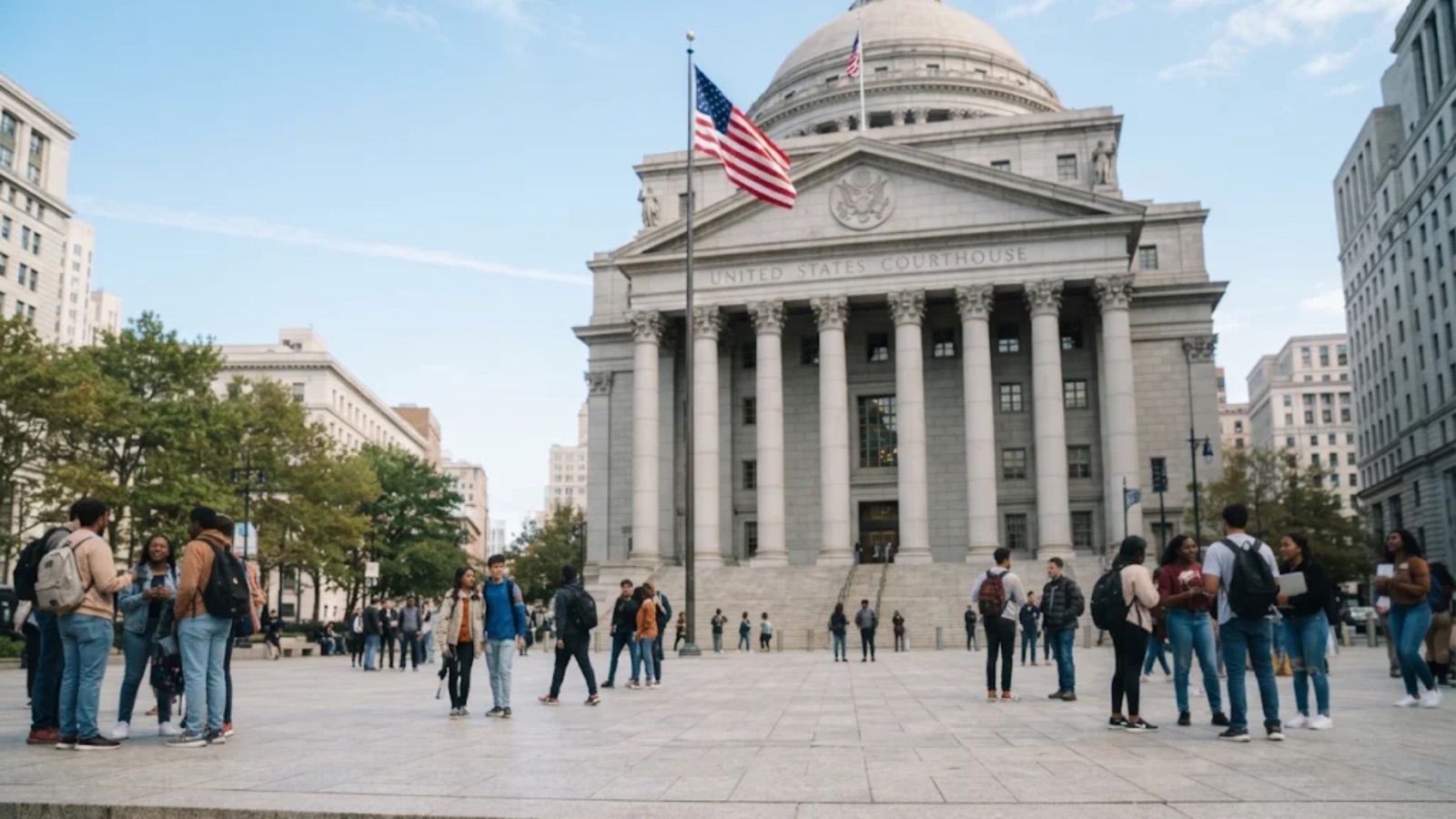
On Tuesday, November 17, 2026, US District Judge Julia Kobick in Boston issued an injunction preventing the Department of Homeland Security (DHS) from enforcing two directives introduced in August. The measures had narrowed the types of internships and other practical training opportunities available to international students holding student visas.
READ: At Least 17 Killed in South Africa Mass Shootings
The ruling followed a lawsuit filed by four higher education organisations, including the Association of American Universities and the Presidents’ Alliance on Higher Education and Immigration.
The organisations argued that the government's new interpretation disrupted a longstanding system that allowed eligible international students to participate in training connected to their academic programmes.
Read: Need a professional website in 72 hours? Contact Auxi Chat
Judge Kobick found that the directives were likely arbitrary and capricious under the Administrative Procedure Act. She concluded that the government had failed to adequately acknowledge the fundamental change it was making to its previous interpretation of the rules.
The decision represents another legal setback for the administration's efforts to tighten immigration policies affecting foreign students.
Why the US Judge Blocked Student Work Restrictions
The dispute centres on a programme known as Curricular Practical Training, or CPT. It allows eligible international students in the United States on F-1 visas to undertake certain internships, cooperative education placements and other practical training connected to their studies.
For more than 35 years, the federal government had interpreted the rules to allow qualifying training opportunities when they were required for a degree or carried academic credit at an authorised institution.
However, directives issued by the Department of Homeland Security in August introduced a narrower interpretation. Under the new approach, universities were told that qualifying opportunities had to be mandatory for every student in a particular degree programme, excluding certain elective placements undertaken for academic credit.
The administration argued that it had identified an increase in CPT authorisations that raised concerns about whether the programme was being used appropriately. It said it intended to increase scrutiny of approvals.
Higher education organisations challenged the changes, arguing that they departed from the government's longstanding interpretation and disrupted opportunities available to students across the country.
Judge Kobick's ruling focused on the government's failure to adequately recognise and explain the change in its interpretation of the programme's rules.
The injunction prevents the department from enforcing the two challenged directives while the legal proceedings continue. It does not mean that every international student automatically qualifies for practical training, nor does it remove the existing eligibility requirements for CPT.
What the Ruling Means for International Students
The decision could provide relief to international students whose academic programmes include internships, cooperative education or other practical experience that may carry academic credit without being compulsory for every student.
For many students, these placements are an important bridge between classroom learning and employment. They can provide industry experience, help students apply academic knowledge and allow them to build professional connections before graduation.
The ruling is particularly relevant to students pursuing degrees in fields such as technology, engineering, business and data analysis, where practical experience can be an important part of career development.
Nigerian students considering universities in the United States may also be interested in the decision. However, the ruling should not be interpreted as a guarantee of employment, a work visa or permission to take any job while studying.
International students must continue to comply with applicable immigration rules and obtain the necessary authorisation before undertaking practical training.
The case also illustrates the uncertainty that changes in immigration policy can create for students who have already planned their education around specific academic and professional opportunities.
Universities and Employers Watch the Legal Battle
The dispute has implications beyond individual students. Universities rely on practical training arrangements to connect academic programmes with professional experience, while employers use eligible student placements to access emerging talent.
According to US Immigration and Customs Enforcement data cited in the Reuters report, 140,775 student visa holders were authorised to participate in CPT in 2024. Amazon and Tesla were identified as the two leading employers of CPT students that year.
Those figures demonstrate the scale of the programme and its connection to the wider American labour market.
Restricting eligible training opportunities can affect how universities structure courses, how students plan their studies and how employers recruit students for practical placements. At the same time, the government maintains responsibility for enforcing immigration rules and addressing suspected misuse of student visa programmes.
The legal question in this case is whether the government can introduce a substantially narrower interpretation of existing rules without adequately addressing the change and its legal implications.
The Department of Homeland Security declined to comment on the ruling, according to Reuters.
What Happens Next in the Student Work Restrictions Case?
The November 17 decision is an important development, but it does not settle every question surrounding international student employment in the United States.
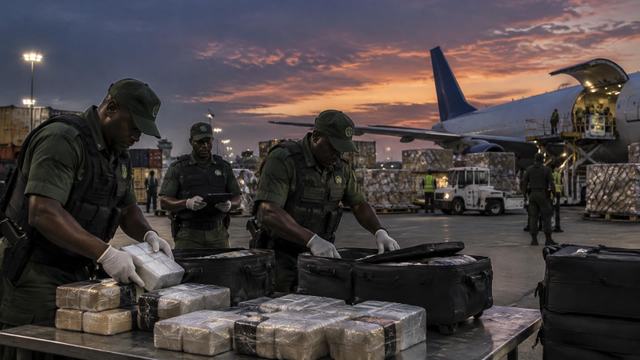
READ: Nigeria Arrests Eight Suspects in Cocaine Trafficking Network Linked to Europe
The injunction addresses two specific directives concerning curricular practical training. Other immigration requirements remain in place, and students must continue to follow the rules governing their visas and authorised activities.
The case could also influence how government agencies approach future changes affecting international education. When longstanding policies are reinterpreted, agencies may face legal challenges over how they explain and implement those changes.
For international students, the immediate significance is that the challenged directives cannot be enforced under the court's order. For universities and employers, the ruling offers temporary clarity while the broader dispute proceeds.
The case highlights the continuing tension between immigration enforcement and the role international students play in American higher education, research and the economy.
For now, students should consult their university's international student office before making decisions about internships or work placements. Individual eligibility depends on the applicable rules and the circumstances of each student's programme.
The writer of this article does not claim to know the individuals named personally. The information about their backgrounds, as published on Global News Arena, is based on independent online research.
Are you interested in learning how to write professionally and earning money as a writer and content creator? Contact Auxi Chat today to start your writing journey immediately.
If you have an article, opinion piece, event or news story you would like published, Global News Arena would love to hear from you.
Are you interested in learning how to write professionally and earn money as a writer and content creator? Contact us today to start your writing journey immediately.
Need a professional website in 72 hours? Contact us
Do you need a professional writer in 72 hours? Contact us
If you have an article, guest story, event or news tip you would like published, Global News Arena would love to hear from you.