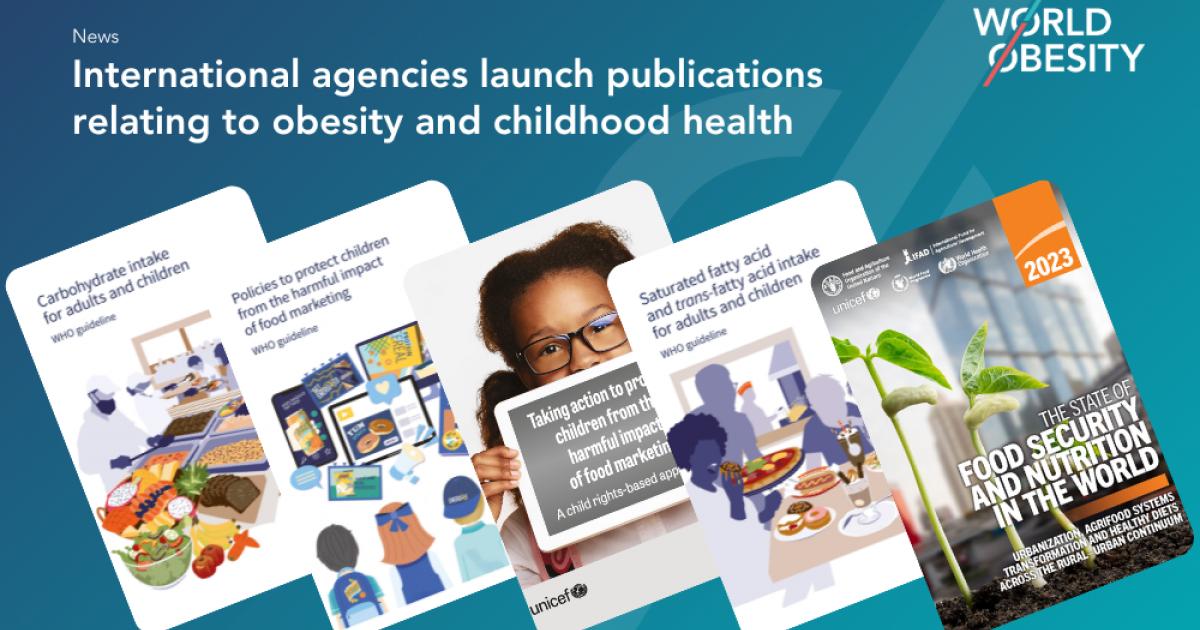
The World Health Organization (WHO) and the United Nations Children's Fund (UNICEF) have joined 21 countries to launch the Bending the Curve by 2030 obesity plan, a global initiative aimed at reducing the growing burden of obesity.
READ: Katsina Polio Vaccination Drive Puts 2.7m Children First
The announcement was made on November 17, 2026, with Spain and 20 other governments committing to accelerate obesity prevention, early intervention and access to effective care.
Read: Do you need a professional writer in 72 hours? Contact Auxi Chat
Under the commitment, participating governments have agreed to work towards reducing national obesity prevalence by 5% by 2030.
READ: Ebola Update: Nigeria Tracks 10 Contacts After One Confirmed Case
The initiative comes as obesity continues to affect millions of people worldwide, creating growing pressure on healthcare systems and increasing the risk of several chronic diseases.
According to WHO, more than one billion people are currently living with obesity globally, affecting approximately one in seven people.
Read: Need a professional website in 72 hours? Contact Auxi Chat
WHO and 21 Countries Launch Bending the Curve by 2030 Obesity Plan
The participating governments include Spain, Bahrain, Barbados, Botswana, Brazil, Brunei Darussalam, Egypt, Eswatini, Ireland, Jordan, Malaysia, Mauritius, Mexico, Panama, the Philippines, Portugal, Seychelles, Slovenia, South Africa, Thailand and Uruguay.
These countries are part of the first group of 34 frontrunner countries working with WHO under its Acceleration Plan to Stop Obesity.
The new commitment is intended to strengthen national efforts to prevent obesity, identify people who may need support earlier and improve access to appropriate healthcare.
WHO Director-General Dr Tedros Adhanom Ghebreyesus said the continued rise in obesity was not inevitable and called for governments to create healthier environments, protect children and improve access to care.
The initiative also recognises that tackling obesity requires cooperation across different sectors rather than relying on healthcare services alone.
Why WHO Is Increasing Efforts to Address Obesity
WHO's latest announcement highlights the scale of the global obesity challenge.
The organisation reports that obesity prevalence among adults has more than doubled since 1990, while the rate among adolescents has quadrupled over the same period.
In 2025, obesity overtook underweight as the most common form of malnutrition among children and adolescents aged 5 to 19 for the first time.
Obesity is recognised as a chronic and complex disease that can increase the risk of cardiovascular diseases, diabetes and some cancers.
The Bending the Curve by 2030 obesity plan therefore focuses on prevention, earlier support and access to effective treatment rather than depending on a single intervention.
WHO and UNICEF say governments need coordinated policies that address the conditions influencing people's access to healthy food, physical activity and healthcare.
Measures Countries Will Use to Reduce Obesity
The global initiative encourages participating governments to introduce evidence-based measures that can support healthier environments.
Some of the recommended measures include
Supporting breastfeeding and appropriate complementary feeding during early childhood.
Improving food options and health environments in schools.
Introducing taxes on sugar-sweetened beverages.
Making nutrition information clearer through front-of-pack food labels.
Restricting the marketing of unhealthy foods to children.
Making physical activity easier and more accessible.
Strengthening obesity prevention and care within primary healthcare services.
WHO also recommends access to appropriate medical treatment, including pharmacological treatment where necessary.
The organisation stresses that people living with obesity should be involved in designing policies and healthcare services that affect them.
This approach is intended to ensure that public health programmes respond to people's actual needs instead of treating them only as recipients of government interventions.
What the 2030 Obesity Target Means for Participating Countries
The participating governments have committed to reducing national obesity prevalence by 5% by 2030.
Achieving this target will require countries to translate the announcement into practical national policies, strengthen healthcare services and monitor progress.
The commitment also builds on the WHO Acceleration Plan to Stop Obesity, which was adopted by member states in 2022.
READ: Oyo Government Responds After People Complain About Healthcare.
The broader plan supports countries in selecting evidence-based interventions and developing strategies that reflect their individual public health priorities.
However, the new announcement does not mean that obesity rates have already started declining across all participating countries. Progress will depend on how effectively governments implement their commitments and measure results.
WHO and UNICEF Push for Global Cooperation
The launch highlights the importance of cooperation between governments, international organisations, healthcare professionals and communities.
WHO and UNICEF are encouraging countries to share successful approaches and strengthen policies that can prevent obesity across different stages of life.
Although the 21 governments have joined the new global call to action, WHO's wider Acceleration Plan includes 34 frontrunner countries.
The organisations say sustained action is necessary to address the growing public health challenge and improve access to prevention and treatment.
As the 2030 deadline approaches, the progress made by participating governments will help determine whether their commitments translate into measurable improvements in public health.
Are you interested in learning how to write professionally and earn money as a writer and content creator? Contact us today to start your writing journey immediately.
Need a professional website in 72 hours? Contact us
Do you need a professional writer in 72 hours? Contact us
If you have an article, guest story, event or news tip you would like published, Global News Arena would love to hear from you.