What Is Ebola?
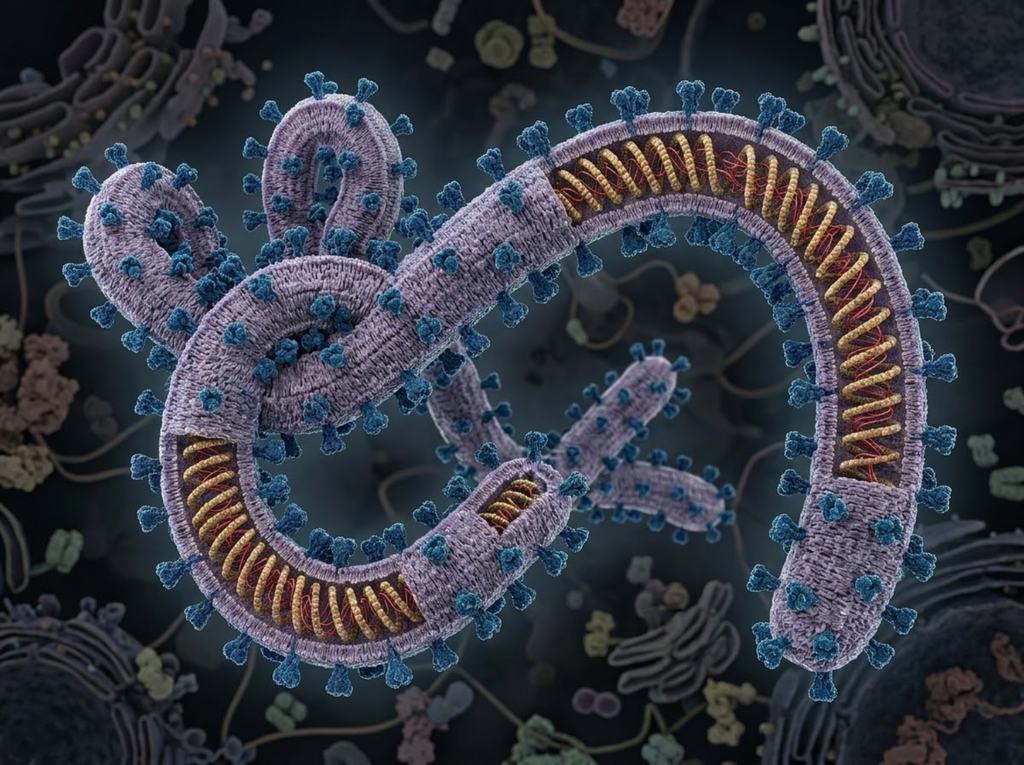
Ebola is a serious illness caused by a virus that can make people very sick. Some people recover, while others die from the disease. The illness is often called Ebola virus disease.
The virus was first identified in 1976 during outbreaks in what are now South Sudan and the Democratic Republic of the Congo. The name Ebola came from a river near one of the places where the virus was discovered.
Ebola is not one single type of virus. There are different types, and some have caused large outbreaks in different countries. The Bundibugyo virus, for example, is one of the types that can cause Ebola disease. Knowing which type is involved matters because available vaccines and treatments do not work against every type of Ebola virus.
How Does Ebola Spread?
Ebola can spread when a person comes into direct contact with the blood or other body fluids of someone who is infected and has symptoms. These fluids can include vomit, stool, urine and saliva. The virus can also spread through contaminated objects, such as needles, or through contact with the body of someone who has died from the disease.
People can also become infected through contact with certain infected animals. Some wild animals, including bats and non-human primates, have been linked to Ebola transmission. However, people should not assume that every bat or wild animal carries the virus.
Ebola is not usually spread through the air in the same way as illnesses such as measles or the flu. Being in the same town as a sick person does not automatically mean someone will catch the disease. What matters is whether a person has had the kind of contact that can pass the virus from one person or animal to another.
A person infected with Ebola does not usually spread the virus before symptoms begin. Once symptoms appear, the risk of transmission becomes a serious concern, especially if others come into contact with the person’s body fluids without proper protection.
What Are the Symptoms of Ebola?
Ebola symptoms may begin suddenly. A person can develop a fever, severe tiredness, headache, muscle pain, weakness or a sore throat. Other symptoms may include vomiting, diarrhoea, stomach pain and a rash. In some cases, bleeding may occur, but not everyone with Ebola bleeds.
The early signs can look like other illnesses. A person with malaria, for example, may also have a fever, headache and body pain. This is why people cannot confirm Ebola by checking symptoms at home.
A person’s possible exposure history is also important. Health professionals may need to know whether the person travelled to an area with an Ebola outbreak, cared for an infected person or had contact with body fluids or contaminated materials.
Anyone who may have been exposed and develops symptoms should seek urgent medical advice and tell health workers about the possible exposure. Calling ahead before visiting a healthcare facility, where possible, can help the facility prepare to assess the person safely.
How Can People Protect Themselves?
People can reduce the risk of Ebola by avoiding contact with the blood and body fluids of anyone who may be infected. They should not handle contaminated needles, clothing or bedding without proper training and protection. They should also avoid touching the bodies of people who may have died from Ebola.
Washing hands with soap and water is a useful everyday safety measure. Healthcare workers must follow infection prevention procedures and use the correct protective equipment when caring for suspected or confirmed cases.
Families should follow public health advice if a relative is suspected of having Ebola. Caring for a sick person without proper protection can expose family members to infection. People should contact health authorities for guidance rather than trying to manage a suspected case alone.
It is also important to avoid spreading rumours. False information can make people panic, stigmatise patients and discourage families from seeking help. Sharing accurate information and reporting possible exposure to the appropriate health authorities are much more helpful.
When Was Ebola First Found in Nigeria?
Nigeria’s first recorded Ebola outbreak began in July 2014. An infected Liberian traveller, Patrick Sawyer, arrived in Lagos while travelling to Nigeria for a meeting. He became ill and was taken to a hospital, where his infection was later confirmed.
The case created a major public health concern because Lagos is a large and busy city where people travel for work, school, business and family life. If the virus had spread widely, it could have been difficult to contain. Health authorities therefore moved quickly to identify people who might have been exposed to the infected traveller.
The outbreak later involved Lagos and Port Harcourt. People who had direct contact with the infected traveller or other patients were identified and monitored. Health teams followed up with contacts, isolated suspected cases, strengthened infection control and shared public health information to help people understand how to avoid infection.
Nigeria recorded 20 cases during the 2014 outbreak, including eight deaths. The response required cooperation between government agencies, health workers, laboratories, international partners and members of the public. The experience showed how quickly a disease can become a public health concern when it enters a large city, but also how organised action can stop further spread.
How Did Nigeria Stop the 2014 Outbreak?
One of the most important steps was contact tracing. Health workers identified people who had been in contact with infected patients and monitored them for symptoms. If a contact became ill, the response team could act quickly instead of waiting for the person to unknowingly expose more people.
Health authorities also isolated suspected and confirmed patients, tested samples and improved safety practices in healthcare facilities. These measures reduced opportunities for the virus to spread to families, other patients and medical workers.
Public communication was another important part of the response. People needed to understand how Ebola spread, which symptoms required attention and why suspected cases had to be reported. Clear information helped the public take the disease seriously without relying on rumours.
On 20 October 2014, the World Health Organization declared Nigeria free of Ebola transmission after the country completed the required period without new cases linked to the outbreak. This was an important achievement, but it did not mean Ebola had disappeared from the world. It meant the chain of transmission from that outbreak had been stopped in Nigeria.
Is There a Vaccine or Treatment for Ebola?
Medical care can improve a patient’s chance of survival. Patients need close medical attention and supportive treatment to manage problems such as dehydration, pain and other complications. Early medical care is important, so people should not delay seeking help if they may have been exposed and develop symptoms.
Vaccines and treatments are available for certain types of Ebola virus, but they do not work against every type. For example, vaccines developed for the Zaire ebolavirus cannot simply be assumed to protect people against the Bundibugyo virus. Public health authorities must consider the specific virus involved when choosing prevention and response measures.
This is one reason why laboratory testing matters. A suspected illness needs to be assessed by trained health professionals, and samples must be tested through appropriate systems. People should not try to treat Ebola themselves or rely on unproven remedies.
Why Ebola Preparedness Matters in Nigeria
Nigeria is connected to other countries through international flights, trade, tourism and family travel. An infected traveller can therefore bring a disease into the country even when there is no ongoing local outbreak. This is why airport health measures, disease surveillance and strong hospitals are important.
Preparedness does not mean people should live in fear. It means health workers know how to recognise a possible case, how to test for the disease, how to protect themselves and how to trace contacts if a case is confirmed. The faster these steps happen, the better the chance of stopping transmission.
The 2014 experience taught Nigeria important lessons about quick action, teamwork and public awareness. Those lessons remain useful whenever a serious infectious disease is detected. The public can help by following official health guidance, avoiding misinformation and seeking medical advice when there is a genuine risk of exposure.
Ebola is a dangerous disease, but accurate information and a well-organised public health response can make a major difference. Understanding how the virus spreads is one of the simplest ways people can protect themselves and help keep their communities safe.
Are you interested in learning how to write professionally and earning money as a writer and content creator? Contact Auxi Sherpa today to start your writing journey immediately.
Editorial note: The writer of this article does not claim to be a medical expert. The information regarding Ebola, its history and Nigeria’s 2014 outbreak, as published on Global News Arena, is based on independent research using publicly available public health information.
If you have an article, opinion piece, event or news story you would like published, Global News Arena would love to hear from you.
Send a message to Global News Arena contact to get in touch.