Nigeria’s Ebola Case Raises Regional Concern
Nigeria’s confirmation of an Ebola case in Abuja has increased concern about the spread of the virus across Africa.
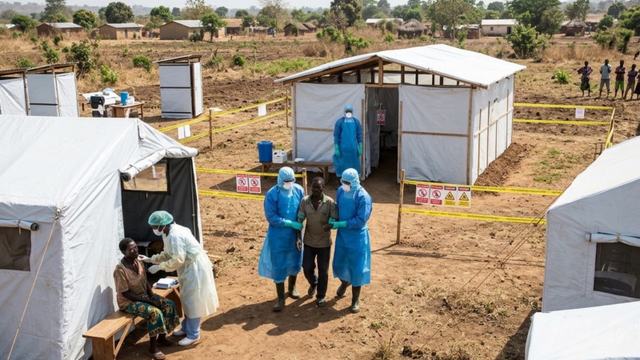
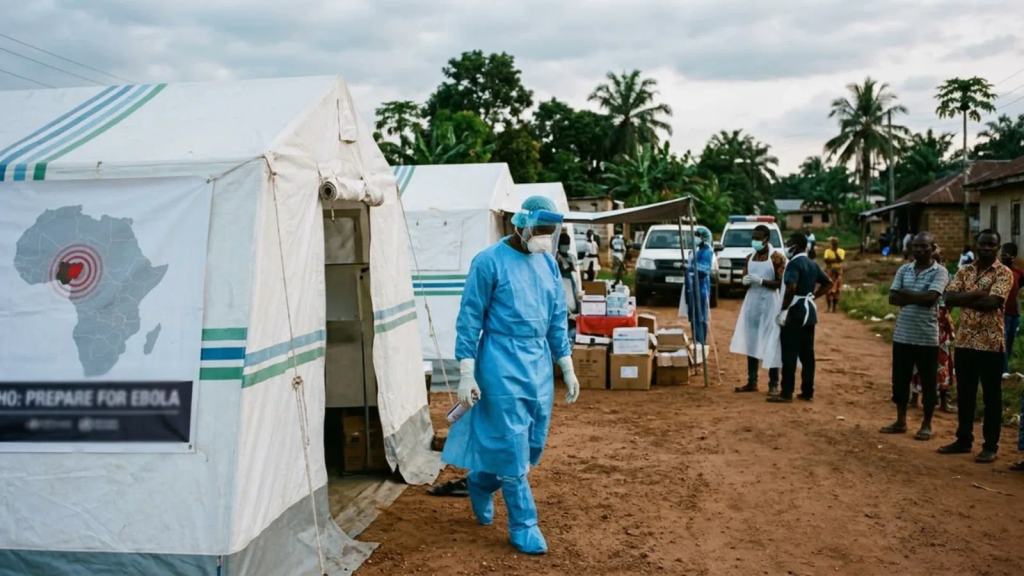
The World Health Organization (WHO) has urged countries in the region to strengthen disease surveillance, prepare hospitals and act quickly when a suspected case is identified.
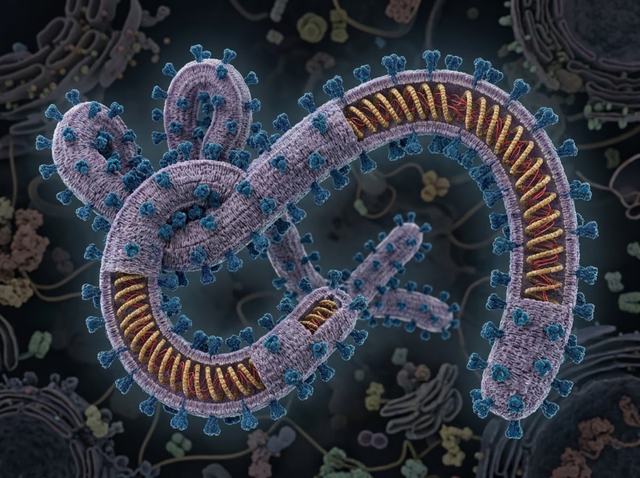
The case involves the Bundibugyo strain of Ebola, a type of the virus responsible for a large outbreak in the Democratic Republic of the Congo. Nigeria confirmed the infection on 20 October 2026, making it one of several African countries affected by the ongoing outbreak.
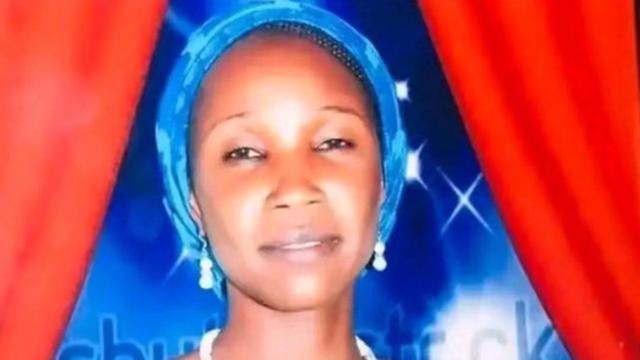
The patient is a woman who had recently travelled internationally and developed symptoms after arriving in Nigeria.
She sought care at a private health facility in Abuja before laboratory testing confirmed the infection. Health authorities have placed her in isolation and are working to establish where she became infected and whether other people may have been exposed.
Health Officials Are Tracing People Who Had Contact With the Patient
One of the biggest priorities is finding people who may have come into contact with the patient. Nigerian health authorities have identified 44 contacts for monitoring. The number could change as investigators learn more about her movements, the healthcare facilities she visited and the people she met.
Contact tracing means identifying people who may have been exposed to an infected person and checking their health for signs of illness. It helps health workers act quickly if someone develops symptoms and reduces the chance of the virus spreading further.
The investigation is especially important because the patient visited a healthcare facility before the infection was confirmed. Health workers may be at risk if they come into contact with a patient’s body fluids without the correct protective equipment.
Hospitals must therefore follow strict infection prevention procedures, report suspected cases quickly and protect patients and medical staff.
Why the Bundibugyo Strain Is a Serious Concern
Ebola is a dangerous disease, but different types of the virus do not all have the same vaccines or treatment options. The Bundibugyo strain is particularly concerning because there is currently no approved vaccine or specific treatment available for this strain.
The wider outbreak has been concentrated in the Democratic Republic of the Congo, where thousands of confirmed cases and deaths have been recorded. In recent months, infections have also been detected beyond the country’s borders, including imported cases in other African countries.
When an outbreak crosses international borders, health authorities must work together.
Travellers, business activities and family visits connect countries every day, meaning an infection detected in one place can require health checks and investigations elsewhere.
This does not mean everyone who travels is at risk, but it makes early detection and clear communication essential.
Why Was the Infection Not Detected Earlier?
The timing of the diagnosis has raised questions about how quickly the virus can be recognised when a patient first becomes ill. Ebola symptoms can include fever, tiredness, headache, muscle pain, vomiting and diarrhoea. These signs can also occur in other diseases, including malaria.
This similarity can make early diagnosis difficult, particularly when healthcare workers do not initially know that a patient may have been exposed to Ebola. Travel history, possible contact with infected people and the symptoms a patient develops can help doctors decide whether Ebola testing is needed.
The lesson is not that every person with a fever has Ebola. Instead, health workers need to consider a person’s full history and follow public health guidance when there is a possible risk. When a serious infection is suspected, early testing and safe isolation can protect both the patient and the wider community.
What the WHO Wants African Countries to Do
The World Health Organization has called on countries to remain prepared as the outbreak continues. This includes improving disease surveillance, ensuring laboratories can test suspected cases safely, preparing rapid response teams and making protective equipment available to healthcare workers.
Countries have also been urged to strengthen infection prevention measures in both public and private hospitals. This matters because people may first seek help at different types of healthcare facilities before a serious infection is recognised.
Health authorities also need to communicate clearly with the public.
People should understand how the virus spreads, which symptoms require medical attention and what to do if they may have been exposed. Accurate information can prevent panic while encouraging people to take necessary precautions.
What Nigerians Should Do Now
Nigerians should follow updates from official health authorities and avoid sharing unverified claims about the outbreak. People should not assume that someone is infected simply because they have a fever or recently travelled. Ebola requires medical assessment and laboratory testing.
The virus can spread through direct contact with the blood or other body fluids of an infected person who has symptoms, or through contaminated objects.
People should avoid contact with these fluids and should not handle the body or belongings of a person suspected of having died from Ebola without appropriate training and protection.
Anyone who believes they may have been exposed and develops symptoms should contact health authorities or seek urgent medical advice. Where possible, they should call ahead before going to a healthcare facility and explain their possible exposure so that staff can prepare safely.
Can Nigeria Prevent a Wider Outbreak?
Nigeria has experience responding to Ebola.
In 2014, an infected traveller brought the virus into the country, but health workers and public health agencies traced contacts, isolated cases and worked to stop further transmission.
Nigeria was declared free of Ebola transmission in October of that year.
That experience is valuable, but every outbreak brings its own challenges.
The current case requires a careful investigation, reliable laboratory testing, quick contact tracing and strong protection for healthcare workers.
The public also has a role to play by following medical advice and reporting possible exposure rather than hiding it.
The confirmation of Ebola in Abuja is a serious development, but it does not automatically mean the disease is spreading widely throughout Nigeria.
The next steps taken by health authorities will be important in determining whether the case remains isolated or whether further infections are found.
For now, the message is clear. Countries must remain alert, hospitals must be prepared and people should rely on accurate information instead of fear.
Early detection and a coordinated response give health authorities a better chance of preventing further transmission.
Understanding the disease is an important part of preventing its spread.
Are you interested in learning how to write professionally and earning money as a writer and content creator? Contact Auxi Sherpa today to start your writing journey immediately.
Editorial note: The writer of this article does not claim to be a medical expert. The information regarding Ebola preparedness and the confirmed case in Nigeria, as published on Global News Arena, is based on publicly available information from official public health authorities.
If you have an article, opinion piece, event or news story you would like published, Global News Arena would love to hear from you.
Send a message to Global News Arena contact to get in touch.