What Happened in Abuja?
Nigeria has confirmed a case of Ebola virus disease in the Federal Capital Territory, Abuja. The Federal Government announced the confirmation on 20 October 2026 after laboratory tests showed that a woman had been infected with the Bundibugyo strain of the Ebola virus.
The woman had a recent travel history involving Uganda. She developed symptoms on 7 October and sought medical care at a private health facility in Abuja on 11 October. She is now in isolation and receiving medical care.
Health officials are investigating her travel and exposure history to understand where she may have contracted the virus and whether anyone else has been exposed.
This is an important public health development because Ebola can cause serious illness and can spread from an infected person to others through direct contact with certain body fluids.
However, Nigerians should understand that one confirmed case does not mean Ebola is already spreading widely in Abuja or throughout Nigeria. The immediate priority is to identify people who may have been exposed, monitor their health and prevent further infections.
Health Officials Are Tracking 44 Contacts
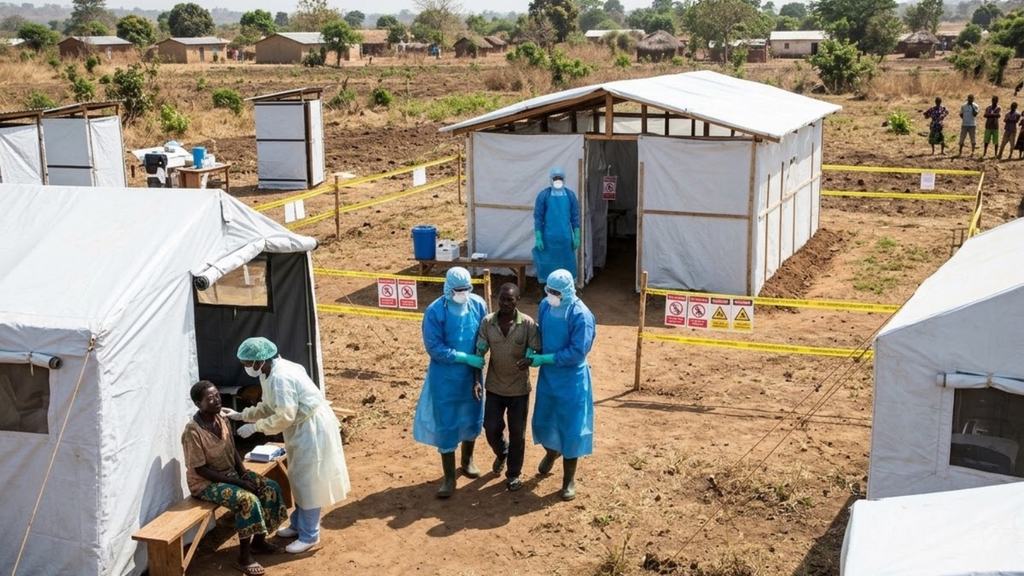
Following the confirmation, health authorities identified 44 people who may have had contact with the patient. These people are being monitored to check whether they develop symptoms. The group may include healthcare workers, people who cared for the patient and others whose possible exposure needs to be assessed.
Contact tracing is one of the most important ways to stop Ebola from spreading. It means finding people who may have come into contact with an infected person, contacting them and checking their health during the period when symptoms could appear. If someone becomes ill, health workers can respond quickly and help prevent further transmission.
Authorities are also strengthening checks and safety measures in healthcare facilities. Hospitals and clinics have been urged to watch for possible Ebola symptoms, isolate suspected cases safely, report them promptly and protect medical workers and other patients. These steps matter because an infection can spread when people handle an infected person’s body fluids without proper protection.
What Is Ebola and Why Is It Dangerous?
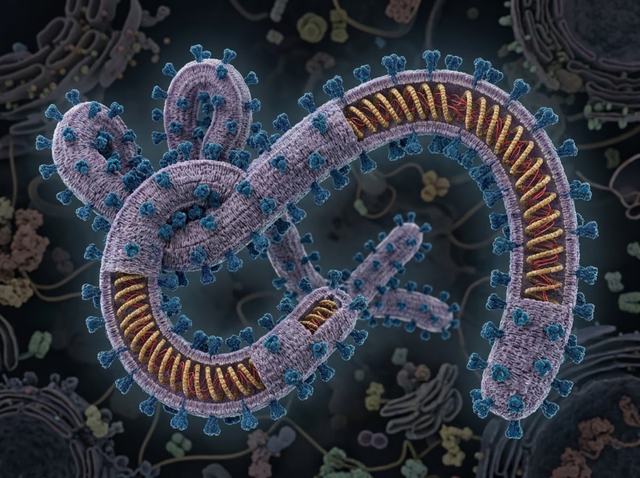
Ebola is a serious disease caused by a virus. It can make a person very sick and may lead to death, especially when the person does not receive timely medical care. The virus was first identified in 1976, and outbreaks have occurred in several African countries.
Ebola does not spread in the same way as illnesses such as the common cold. A person generally becomes infected through direct contact with the blood or other body fluids of someone who is sick with Ebola or has died from it. These fluids can include vomit, stool, urine, saliva and other fluids. Infection can also occur through contaminated objects, such as needles, or through contact with infected animals.
This means that simply being in the same city as an infected person does not automatically make someone infected. The type of contact matters. People should not touch a sick person’s body fluids, clothing or bedding without proper protection, and they should never handle the body of someone who may have died from Ebola without trained support.
What Are the Signs of Ebola?
Ebola symptoms can begin suddenly. Early signs may include fever, tiredness, headache, muscle pain, weakness and a sore throat. As the illness becomes more serious, a person may develop vomiting, diarrhoea, stomach pain, a rash or other severe symptoms. Some patients may experience bleeding, but bleeding does not happen in every case.
These symptoms can look like those of other illnesses, including malaria and other infections common in Nigeria. This is why people should not try to diagnose Ebola by looking at symptoms alone. A health professional needs to assess the person’s symptoms, travel history and possible contact with an infected person.
Anyone who has had a possible exposure and develops symptoms should contact public health authorities or seek urgent medical advice while explaining the possible exposure. They should call ahead before going to a healthcare facility where possible, follow the instructions given by health workers and avoid close contact with other people until they receive guidance. They should not hide their travel or contact history out of fear or embarrassment.
Is Ebola Airborne Like the Flu?
Ebola is not generally understood to spread through the air in the same way as measles or the flu. Its main route of human-to-human transmission is direct contact with the blood or other body fluids of an infected person who has symptoms, or with contaminated materials.
This difference is important because fear can cause people to misunderstand the danger. People should not panic simply because someone travelled on the same flight or lives in the same city. Public health teams must assess the kind of contact each person had and decide what follow-up is needed.
At the same time, people should not treat Ebola lightly. Avoiding contact with body fluids, washing hands properly, following public health advice and reporting possible exposure are sensible steps.
Anyone who may have been exposed should follow instructions from health professionals rather than deciding on their own that they are safe.
What Should People in Abuja and Other Parts of Nigeria Do?
The most useful response is to stay informed and follow instructions from recognised public health authorities.
People should wash their hands with soap and water, avoid touching another person’s blood or body fluids, and never share needles or other items contaminated with blood. They should not touch the body or belongings of someone suspected of dying from Ebola unless they are trained and properly protected.
People should also avoid spreading unverified messages on social media.
False claims about infected neighbourhoods, hospitals, travellers or named individuals can create panic and harm innocent people.
Anyone with reliable information about a suspected exposure should report it through official health channels instead of publishing private details online.
Healthcare workers have a particularly important role. They should follow infection prevention procedures, use appropriate protective equipment, identify and isolate suspected cases safely and notify public health authorities. Early action can protect patients, families, hospital staff and the wider community.
Can Nigeria Stop the Virus From Spreading?
Nigeria has dealt with Ebola before. During the 2014 outbreak, an infected traveller brought the virus into the country, and health workers and government agencies worked to identify contacts and contain the spread. Nigeria was declared free of Ebola transmission in October 2014 after the response successfully stopped the outbreak.
That experience shows why fast reporting, careful contact tracing, safe treatment and public cooperation matter. It does not mean the current situation can be ignored. Each new case requires a fresh investigation, and health authorities must establish whether any additional infections have occurred.
The confirmed case in Abuja is therefore a serious matter that requires attention, but panic will not help. The number of people who may have been exposed, the results of monitoring and any further laboratory findings will help authorities understand the situation.
For now, the public should follow official updates, avoid misinformation and take possible exposure seriously.
To understand the disease beyond the current case.
Are you interested in learning how to write professionally and earning money as a writer and content creator? Contact Auxi Sherpa today to start your writing journey immediately.
Editorial note: The writer of this article does not claim to be a medical expert. The information regarding the Ebola case in Abuja, as published on Global News Arena, is based on publicly available information from official health authorities and is intended to help readers understand the situation.
If you have an article, opinion piece, event or news story you would like published, Global News Arena would love to hear from you.
Send a message to Global News Arena contact to get in touch.