Islamist Attack in Congo Disrupts Ebola Treatment
READ: Pope Leo South American Tour Begins With Call for Unity
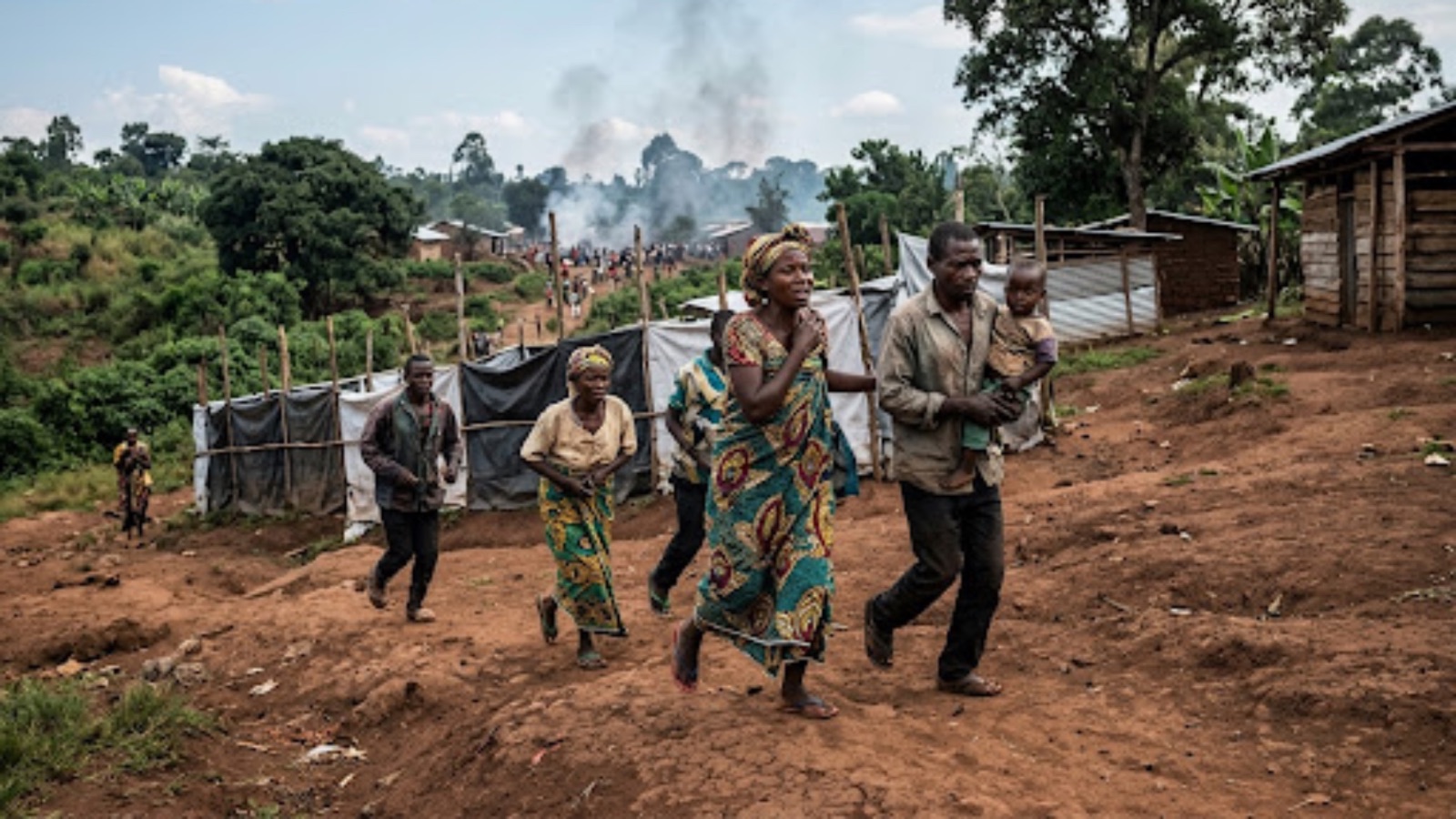
The flight of Ebola patients from a hospital in eastern Democratic Republic of Congo has raised fresh concerns about public safety after an attack blamed on Islamic State-linked militants killed at least 33 people, according to local civil society leaders.
Read: Do you need a professional writer in 72 hours? Contact Auxi Chat
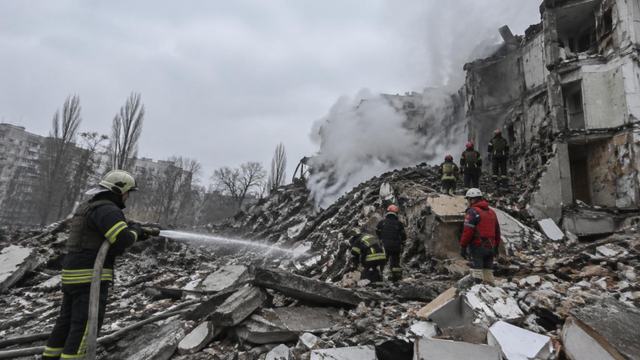
The assault struck Cantine-Aloyath in North Kivu province late on Thursday, November 5, 2026. The attackers reportedly set fire to a health post and several houses, disrupting medical services in a region already struggling with a serious Ebola outbreak.
READ: Iran Executes Baluch Man Over Police Station Attack
The violence forced patients from the nearby Kelekele Hospital Centre to flee, including one person with a confirmed Ebola infection and five people suspected of having the disease, according to the hospital’s medical director, Christian Kakule Vulembera.
The incident has intensified concerns about the safety of patients, the protection of healthcare workers and the ability of health authorities to contain the outbreak while armed violence continues across eastern Congo.
Read: Need a professional website in 72 hours? Contact Auxi Chat
Congo Ebola Patients Flee as Hospital Services Are Disrupted
The evacuation of patients during the attack created a dangerous situation for a community already facing significant public health challenges.
According to reports from the hospital’s medical director, approximately 180 patients fled the facility during the violence. Among them were people receiving care for suspected Ebola infections and individuals being monitored because of their possible exposure to the virus.
The medical director expressed concern that patients and people considered high-risk contacts had entered the surrounding community without the protection and monitoring provided by the hospital.
For health workers, the immediate challenge is not only treating patients but also establishing where those who fled have gone and whether they have been safely returned to medical supervision.
Ebola response efforts depend on identifying infections, monitoring exposed individuals, isolating confirmed cases when necessary and tracing people who may have come into contact with the virus.
When patients leave a healthcare facility unexpectedly, those activities become more difficult. Health authorities may need to identify missing patients, establish their movements and assess whether additional people require monitoring.
The available reports did not establish whether all the patients who fled had been located or returned to care.
At Least 33 People Reportedly Killed in Cantine Attack
The attack also caused widespread destruction and loss of life in Cantine-Aloyath, a community approximately 50 kilometres west of Beni in North Kivu province.
Local civil society representatives reported that at least 33 bodies had been recovered following the assault. Many victims reportedly suffered gunshot wounds, while others were burned or killed with machetes.
More than 50 houses were also reportedly set on fire, according to Justin Paluku, a local civil society leader who spoke to the Associated Press.
Beni territorial administrator Colonel Charles Omeonga attributed the attack to the Allied Democratic Forces, an armed group recognised as affiliated with the Islamic State organisation.
However, the authorities had not established a definitive death toll when the reports were published. Heavy rainfall reportedly complicated military operations and investigations, making it difficult to assess the full extent of the casualties.
The reported figure of at least 33 deaths should therefore be understood as a count provided by local civil society sources rather than a final official tally.
The destruction of homes and the health post further complicated an already difficult situation for residents who depend on access to healthcare and other essential services.
Why the Attack Raises Fears About Ebola Transmission
The relationship between the attack and the Ebola outbreak is particularly concerning because North Kivu is one of the regions heavily affected by the current outbreak.
Ebola is a serious viral disease that can cause severe illness and death. It spreads through direct contact with the blood or other bodily fluids of an infected person, or with contaminated materials. People who may have been exposed can require monitoring and assessment by health professionals.
The danger in Cantine-Aloyath is not simply that patients fled a hospital. It is that people whose infection status or exposure risk requires careful assessment may now be outside the healthcare system.
If patients cannot be located quickly, health workers could face difficulties maintaining isolation measures, tracing contacts and identifying possible new infections.
However, the flight of patients does not automatically mean that additional infections have occurred. The extent of any increased transmission risk will depend on where the patients went, the nature of their contact with other people and how quickly health authorities can restore medical supervision.
The priority is to locate those who fled, provide appropriate care and determine whether anyone else may have been exposed.
The attack demonstrates how insecurity can undermine disease-control measures even when medical teams are working to contain an outbreak.
North Kivu Faces a Growing Public Health Challenge
North Kivu has experienced repeated outbreaks of Ebola in the past and remains vulnerable to disruptions caused by armed conflict.
The current outbreak is associated with the Bundibugyo virus, a species of Ebola virus responsible for a severe disease for which there is no established, specifically licensed vaccine or treatment proven to prevent or cure infection in the same way as certain interventions available for other Ebola species.
Medical teams can provide supportive care, including fluids, treatment of symptoms and management of complications. Early access to appropriate medical care is important, while infection prevention and control remain essential to protecting patients and healthcare workers.
Reports published on November 6 stated that North Kivu accounted for approximately half of the country’s new infections at the time. Figures cited in the coverage indicated that the outbreak had resulted in more than 10,000 cases and over 5,000 deaths nationwide.
These figures underline the scale of the emergency described in the reporting, although the latest official epidemiological data should be consulted for updated totals and confirmation of the figures.
The outbreak has placed pressure on healthcare facilities, particularly in areas where insecurity limits the movement of medical personnel and supplies.
The attack in Cantine-Aloyath adds another obstacle by disrupting patient care and potentially complicating efforts to identify people who require monitoring.
Allied Democratic Forces and Violence in Eastern Congo
The Allied Democratic Forces, commonly known as the ADF, originated in Uganda and later established a presence in eastern Democratic Republic of Congo.
The group pledged allegiance to the Islamic State organisation in 2019 and has been linked to repeated attacks against civilians in the region.
Eastern Congo has endured years of insecurity involving multiple armed groups, military operations and competition for territorial control. Communities have faced killings, displacement, destruction of property and interruptions to essential services.
The violence has also affected humanitarian operations, making it harder for relief workers and medical teams to reach vulnerable populations.
In areas affected by infectious diseases, these security challenges can have consequences beyond the immediate casualties of an attack. Destroyed healthcare facilities, interrupted treatment and the movement of frightened residents can weaken the systems needed to prevent disease from spreading.
READ: Malaysia King Najib House Arrest Dispute Sparks Royal Warning
The latest attack highlights the overlapping nature of Congo’s security and public health emergencies.
For residents, the immediate concerns are survival, shelter and access to medical care. For health authorities, the challenge is to protect communities while ensuring that the disruption does not create additional opportunities for an outbreak to spread.
What Happens Next?
The immediate priorities following the attack include establishing the full number of casualties, locating patients who fled the hospital and restoring disrupted medical services.
Health authorities and humanitarian organisations may also need to work with local leaders to identify displaced residents and establish safe channels through which patients and their contacts can return for assessment.
Any response involving people suspected of Ebola infection must be handled carefully to protect patients, healthcare workers and surrounding communities without exposing vulnerable individuals to further danger.
Security conditions will also influence how quickly medical teams can reach the affected area and carry out contact tracing.
At the time of the initial reports, it remained unclear whether every patient who fled had been located, whether the confirmed Ebola patient had returned to care or whether the attack had resulted in additional infections.
Those unanswered questions make the situation particularly urgent.
A Security Crisis With Consequences Beyond the Battlefield
The attack in Cantine-Aloyath illustrates how armed violence can undermine essential public services and complicate the response to a dangerous infectious disease.
The reported deaths, burned homes and disruption to hospital care have placed additional pressure on a community already confronting serious health risks.
While the final casualty figure and the status of the displaced patients remained uncertain in the initial reporting, the need to restore medical supervision and protect civilians was clear.
Congo’s response will depend not only on containing the outbreak but also on ensuring that healthcare workers can operate safely and that patients can access treatment without being forced to flee.
The wider lesson is that public health emergencies cannot be addressed in isolation from the security conditions surrounding them. When violence drives patients away from care, the consequences can extend far beyond the site of the attack.
For communities in eastern Congo, protecting lives now requires attention to both immediate security threats and the urgent work of containing Ebola.
The writer of this article does not claim to know the individuals named personally. The information regarding their backgrounds as published on Global News Arena is based on independent online research.
If you have an article, opinion piece, event or news story you would like published, Global News Arena would love to hear from you.