The World Health Organization (WHO) is an international public health agency that works with countries to improve health and protect people from disease. It brings governments, health professionals and other partners together to address health problems that cross national borders. From monitoring infectious diseases to promoting safer communities, the organisation plays an important role in global health.
READ: WHO Launches Bending the Curve by 2030 Obesity Plan
Established in 1948, the World Health Organization is a specialised agency of the United Nations. Its work covers many areas, including disease prevention, vaccination, emergency response, mental health, nutrition and the improvement of healthcare systems. Its main goal is to help people achieve the highest possible level of health, regardless of where they live.
Read: Do you need a professional writer in 72 hours? Contact Auxi Chat
World Health Organization (WHO): History and Establishment
READ: Nigeria Centre for Disease Control (NCDC), Agency Profile
The World Health Organization was established on April 7, 1948, when its Constitution came into force. The date is now observed each year as World Health Day, an occasion that highlights important health issues affecting people worldwide.
The organisation was created because health problems do not always stop at national borders. Infectious diseases can spread between countries, while challenges such as unsafe living conditions, poor nutrition and limited access to medical care can affect communities across different regions.
Read: Need a professional website in 72 hours? Contact Auxi Chat
By bringing countries together, the WHO provides a platform for cooperation on shared health concerns. Member states work through the organisation to develop policies, agree on international health standards and coordinate action on important public health issues.
Over time, the organisation has expanded its work to address changing health needs. Its responsibilities include supporting health systems, helping countries prepare for emergencies and sharing scientific guidance that can inform public health decisions.
What Does the World Health Organization Do?
The World Health Organization performs several important functions that support public health around the world.
Disease prevention and control: The WHO helps countries prevent and manage infectious and non-communicable diseases. It shares technical guidance and supports efforts to reduce health risks.
Health research and guidance: The organisation reviews scientific evidence and develops recommendations that governments and health professionals can use when making health-related decisions.
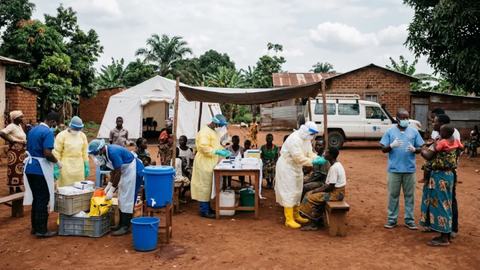
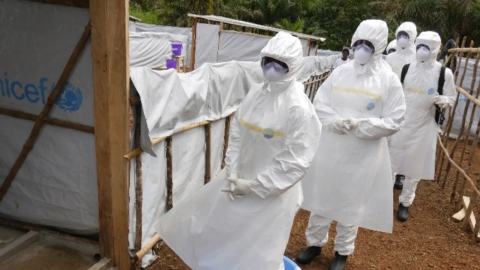
Emergency response: During disease outbreaks, natural disasters and other health emergencies, the WHO can provide technical support, coordinate international cooperation and help affected health systems respond.
Health standards: The organisation develops international guidance, classifications and standards that help countries improve the quality and consistency of health services and health information.
Health education: The WHO shares information about disease prevention, healthy living, vaccination and other public health concerns to help people make informed decisions.
These responsibilities allow countries to learn from one another and work towards common health goals.
How the WHO Helps Countries Respond to Disease Outbreaks
Disease outbreaks can become serious when infections spread quickly or health authorities lack the information needed to respond. Early detection, reliable testing and clear public communication can help reduce their impact.
The WHO works with national health authorities and other partners to monitor health threats and support outbreak investigations. Depending on the situation, its work may include sharing technical advice, supporting laboratory capacity, coordinating international assistance and helping countries plan appropriate responses.
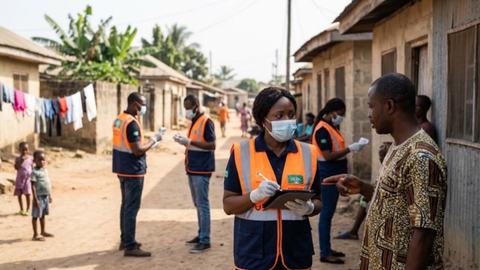
The organisation also supports disease surveillance, which involves collecting and analysing information about illnesses and other health risks. This information can help health authorities identify unusual patterns, understand how a disease is spreading and decide what action may be necessary.
However, the WHO does not replace national health ministries or local healthcare providers. Governments remain responsible for managing their health systems and implementing public health measures within their countries. The organisation supports international cooperation and provides guidance that countries can adapt to their own needs.
The World Health Organization and Global Health Standards
Common health standards help countries communicate clearly and respond more effectively to shared problems. Without cooperation, different approaches to disease reporting, health information and emergency planning can make international coordination more difficult.
The WHO develops technical guidance and international frameworks that support cooperation between health systems. Its work includes the International Classification of Diseases, which provides a common system for recording and classifying illnesses and causes of death.
The organisation also issues recommendations on vaccination, disease prevention, health promotion and the management of various health conditions. These recommendations are informed by scientific evidence and are intended to help countries make decisions that protect their populations.
Countries may need to adapt WHO guidance to local circumstances, available resources and national laws. The purpose is to provide a shared foundation for improving health while recognising that different communities face different challenges.
The WHO’s Role in Nigeria and Africa
The World Health Organization works with countries across Africa, including Nigeria, to strengthen public health systems and address health challenges.
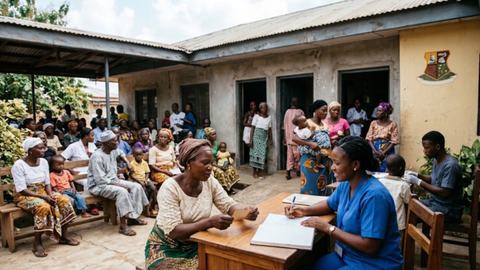
In Nigeria, its work involves cooperation with national and state health authorities and other partners on areas such as disease surveillance, immunisation, emergency preparedness and health-system development. Such cooperation can support efforts to identify outbreaks, improve technical capacity and communicate important health information.
Across Africa, countries face a range of health challenges. These include infectious diseases, maternal and child health concerns, limited access to healthcare in some communities and the growing burden of non-communicable diseases.
The WHO’s regional and country-level work helps bring technical knowledge and international cooperation to these issues. However, lasting progress also depends on national leadership, trained health workers, reliable funding, effective healthcare facilities and public participation.
For Nigerians, understanding the WHO helps explain how national health programmes can connect with wider international efforts to prevent disease and improve healthcare.
Challenges Facing the World Health Organization
READ: Antibiotic Resistance Makes Common Infections Harder to Treat
Despite its global role, the WHO faces several challenges in carrying out its responsibilities.
One challenge is funding. The organisation needs sufficient and predictable resources to support its programmes, maintain technical capacity and respond to emergencies. Funding limitations can affect how quickly it can expand or sustain some activities.
Another challenge is misinformation. False or misleading health claims can spread quickly, especially during outbreaks. This can undermine public trust and make it harder for people to follow reliable health advice.
Differences in healthcare resources also affect progress. Some countries have strong laboratory networks and well-equipped hospitals, while others struggle with shortages of staff, medicines and basic facilities. These differences can make health emergencies more difficult to manage.
International cooperation can also be complicated by political disagreements, competing priorities and differences in national policies. Addressing these challenges requires transparency, scientific evidence, collaboration and sustained investment in public health.
Why the World Health Organization Matters
The World Health Organization provides a platform for countries to work together on health problems that affect people across the world. Its work supports disease prevention, emergency preparedness, international health standards and the sharing of scientific knowledge.
The organisation cannot solve every health problem on its own. Governments, healthcare workers, researchers, community organisations and individuals all have important roles in protecting public health.
Nevertheless, international cooperation remains essential when diseases spread across borders or when countries need shared guidance to address common health risks. By helping countries exchange information, coordinate responses and strengthen health systems, the WHO contributes to efforts to make healthcare safer and more accessible.
The World Health Organization remains an important institution in global public health. Its continued relevance lies in helping countries prepare for health threats, respond to emergencies and work towards better health for people everywhere.
Are you interested in learning how to write professionally and earn money as a writer and content creator? Contact us today to start your writing journey immediately.
Need a professional website in 72 hours? Contact us
Do you need a professional writer in 72 hours? Contact us
If you have an article, guest story, event or news tip you would like published, Global News Arena would love to hear from you.