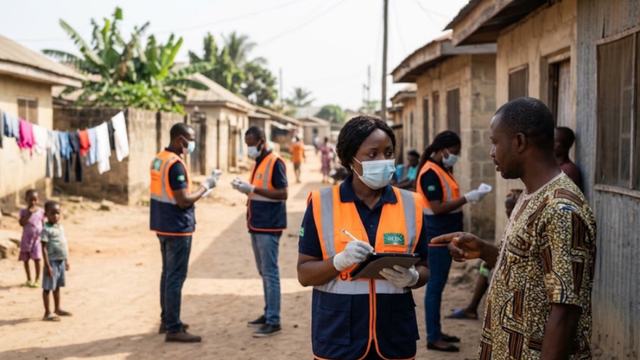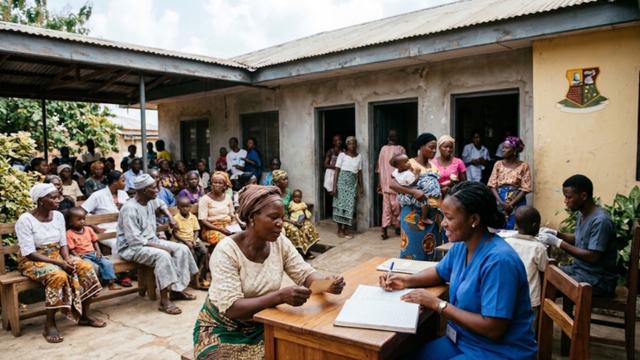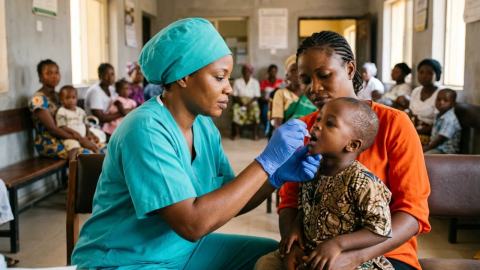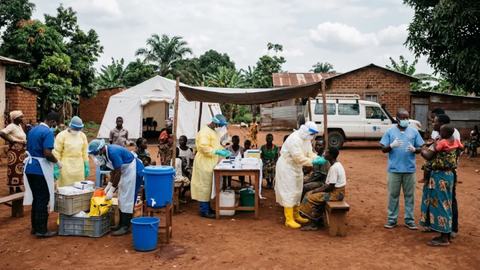
Public health experts and development partners have called on state governments to take a stronger role in NTD elimination in Nigeria, stressing the need for sustainable funding and effective implementation of disease-control programmes.
READ: New Labs Help Doctors Find Malaria and TB Faster
The call comes as Nigeria works towards its 2030 targets for tackling neglected tropical diseases (NTDs), which affect vulnerable communities and place additional pressure on households and healthcare systems.
Read: Do you need a professional writer in 72 hours? Contact Auxi Chat
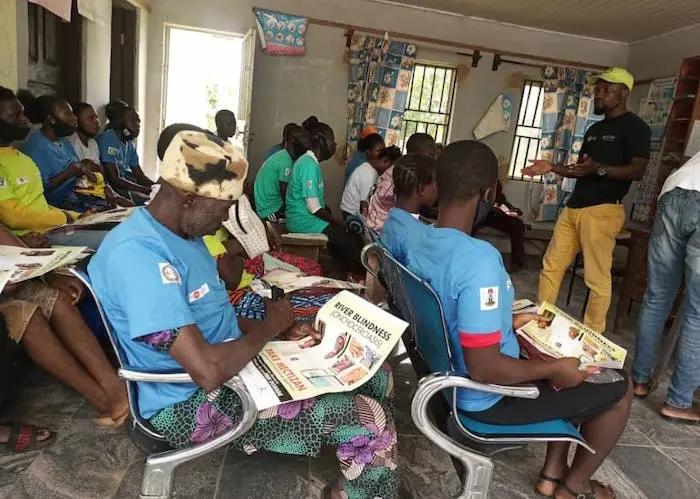
Neglected tropical diseases are a group of preventable and treatable conditions that are more common in communities with limited access to healthcare, clean water and proper sanitation. They include river blindness, leprosy, lymphatic filariasis, trachoma and schistosomiasis.
READ: WHO Launches Bending the Curve by 2030 Obesity Plan
According to Gerald Ogoko, Head of Resource Mobilisation at Uniting to Combat Neglected Tropical Diseases, state governments have an important role in sustaining progress through stronger domestic investment.
23 States Establish Dedicated NTD Budget Lines
Read: Need a professional website in 72 hours? Contact Auxi Chat
Nigeria has recorded progress in including NTD programmes in state budgets. In 2026, 23 states created dedicated budget lines to support interventions against the diseases.
This builds on the progress recorded in 2025, when 19 of the country's 36 states established dedicated NTD budget lines with a combined value of more than $1 million.
The funding is intended to support activities such as treatment campaigns, community mobilisation, disease surveillance, logistics and the delivery of health services to affected local government areas.
Ogoko said these commitments demonstrate growing state-level involvement in the national response. However, he stressed that governments must sustain the progress and ensure that budgetary commitments translate into practical interventions.
Kano, Kaduna Record Additional Funding Commitments
Some states have also indicated plans to increase their financial contributions.
Kano State committed an additional N100 million towards efforts to address snakebite envenoming. The state's House of Assembly has also indicated plans to work with the Ministry of Health towards increasing its NTD budget allocation by at least 50 per cent.
Kaduna State has similarly signalled plans to increase its 2027 budgetary commitment by 50 per cent, according to Uniting to Combat NTDs.
These commitments are expected to support ongoing programmes and strengthen the ability of state health authorities to reach communities affected by neglected tropical diseases.
Donor Funding Makes Domestic Investment More Important
The growing emphasis on domestic funding comes amid concerns about declining international development financing.
Nigeria has an opportunity to mobilise $1 million in domestic resources to unlock approximately $7 million in support from the Reaching the Last Mile Fund for its national NTD programme in 2027.
The Federal Government has urged states to establish dedicated budget lines, maintain existing allocations and ensure that approved funds are released and properly used.
Health stakeholders have also stressed the importance of accountability. Allocating money in a budget does not automatically mean that the funds have been released or spent on the intended programmes.
Nigeria Targets Progress Towards 2030 Elimination Goals
Nigeria's NTD programme is guided by a national master plan covering 2023 to 2027, with broader targets extending to 2030.
READ: Ebola Update: Nigeria Tracks 10 Contacts After One Confirmed Case
Achieving these goals will require cooperation between federal and state governments, local authorities, healthcare workers, development partners and affected communities.
Beyond funding, efforts will need to include improved disease surveillance, access to treatment, public awareness and stronger coordination with sectors responsible for water, sanitation and hygiene.
The benefits of eliminating NTDs extend beyond healthcare. Reducing the burden of these diseases can help affected adults remain economically productive, improve children's access to education and reduce the financial pressure on households.
As governments prepare their 2027 budgets, stakeholders are urging states to protect existing allocations, establish dedicated funding where it is missing and ensure that resources reach the communities that need them.
They maintain that sustained political commitment and domestic investment will be essential to making Nigeria's 2030 NTD elimination ambitions achievable.
Are you interested in learning how to write professionally and earn money as a writer and content creator? Contact us today to start your writing journey immediately.
Need a professional website in 72 hours? Contact us
Do you need a professional writer in 72 hours? Contact us
If you have an article, guest story, event or news tip you would like published, Global News Arena would love to hear from you.