Oyo healthcare reforms put primary care under scrutiny
READ: More People in England Are Getting Cancer Than Ever Before
Oyo healthcare reforms have come under renewed public attention after the state government rejected claims that healthcare delivery in the state is inadequate, pointing instead to ongoing primary healthcare initiatives and improvements in service provision.
Read: Do you need a professional writer in 72 hours? Contact Auxi Chat
The government’s response, reported on November 9, 2026, followed criticism from the Senator Sharafadeen Alli Campaign Organisation concerning the performance of the state’s healthcare sector. Officials described the criticism as inaccurate and misleading and highlighted measures they said were being taken to strengthen healthcare services.
READ: New Labs Help Doctors Find Malaria and TB Faster
The disagreement places a familiar question at the centre of public health policy: how should governments measure improvements in healthcare delivery, and how can residents determine whether reforms are making a meaningful difference?
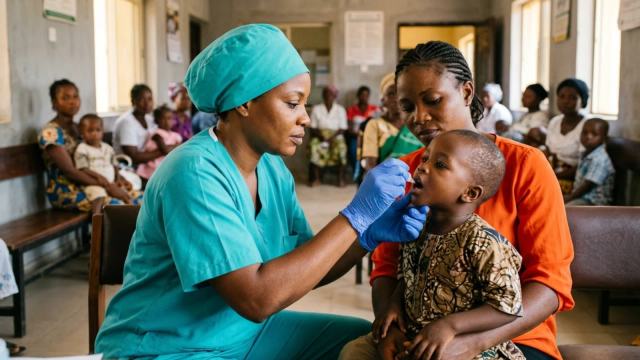
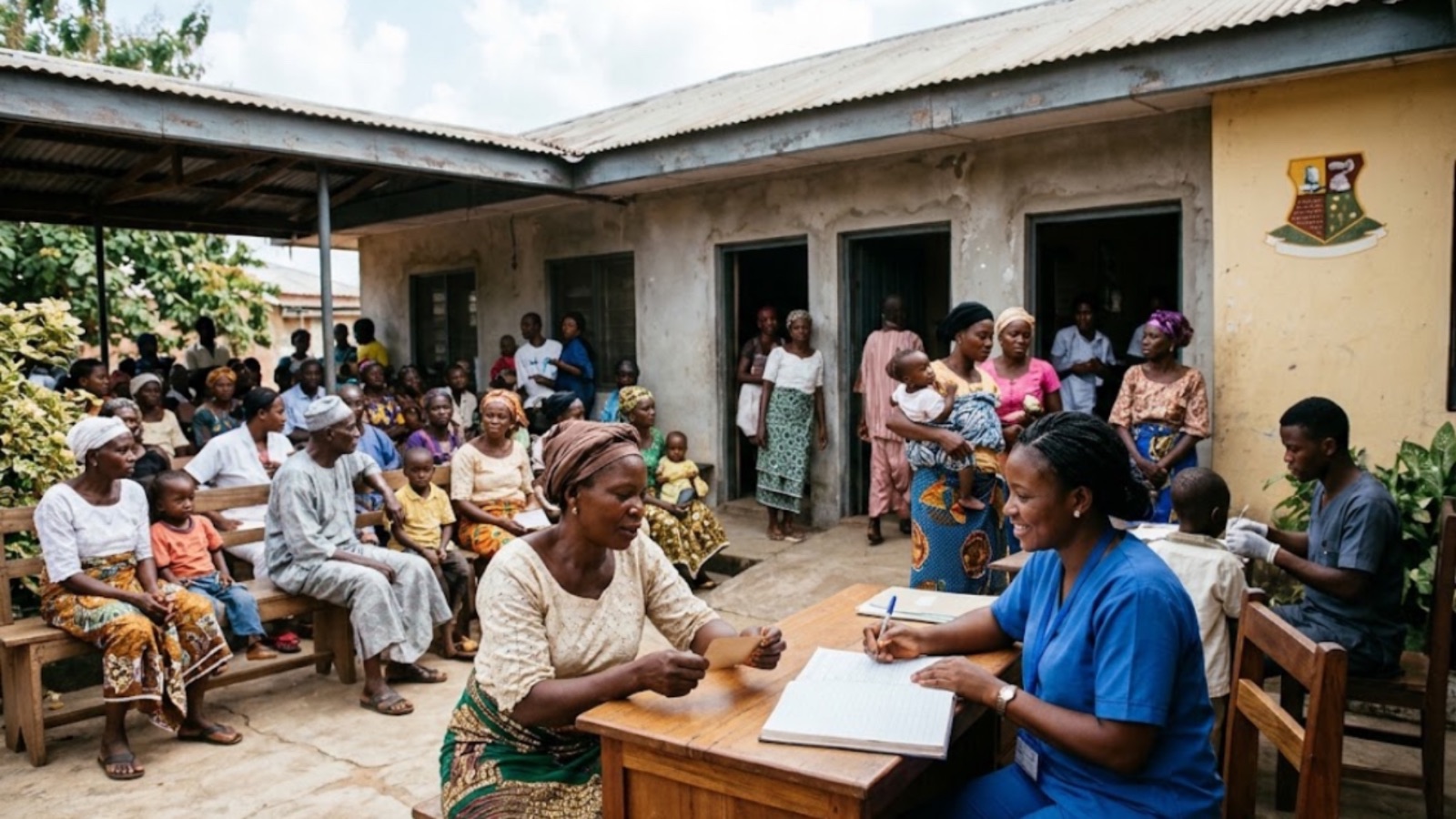
Primary healthcare centres are often the first point of contact for people seeking treatment for common illnesses, maternal and child health services, immunisation and preventive care. Their performance can determine whether patients receive timely attention or must travel longer distances to larger hospitals.
Read: Need a professional website in 72 hours? Contact Auxi Chat
For many households, the availability of nearby healthcare services is only one part of the challenge. Patients also need qualified personnel, essential medicines, functioning equipment and clear referral arrangements when more specialised treatment is required.
Government announcements about reforms can indicate policy priorities, but the impact of those programmes depends on how consistently services are delivered across communities.
Oyo healthcare reforms depend on access, staffing and accountability
The debate over Oyo’s healthcare performance highlights the importance of assessing services through practical outcomes rather than political statements alone.
A primary healthcare centre may exist on paper but still struggle to serve residents if it lacks adequate staff, essential supplies or dependable equipment. Similarly, improvements in infrastructure will have limited impact if patients cannot afford treatment or reach facilities when they need care.
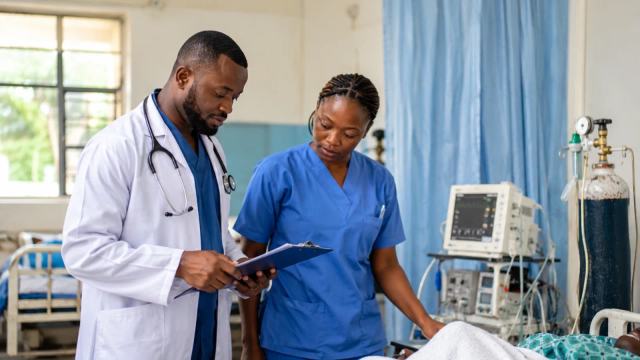
Healthcare staffing is particularly important. Doctors, nurses, midwives, community health workers and other professionals are essential to maintaining services, identifying health risks and guiding patients towards appropriate treatment.
The availability of medicines and diagnostic services also affects the quality of care. When patients must purchase basic supplies elsewhere or travel repeatedly for tests, the financial burden can discourage timely treatment.
Funding and accountability therefore remain central to healthcare reform. Governments need to explain how resources are allocated, which facilities are being upgraded and how progress is measured. Regular reporting on service availability, staffing, medicine supply and patient outcomes can help residents understand whether announced reforms are producing results.
Maternal and child healthcare provides another important measure. Access to antenatal care, safe delivery services, immunisation and early treatment can influence health outcomes for mothers and children. Improvements in these areas require trained personnel, suitable facilities and reliable referral systems.
READ: Katsina Polio Vaccination Drive Puts 2.7m Children First
The public debate should also distinguish between criticism of a healthcare system and evidence about its performance. Political disagreements can draw attention to important questions, but residents need verifiable information to assess competing claims.
The state government’s defence of its record makes it important to examine the details behind its stated achievements. Clear data on healthcare access, facility performance and patient outcomes would allow the public to evaluate progress more effectively.
Ultimately, the success of Oyo healthcare reforms will depend on whether residents can obtain affordable, timely and dependable medical care. The most meaningful evidence will be found in functioning facilities, available health workers, accessible medicines and improvements that people experience when they seek treatment.
As the debate continues, the government and its critics have an opportunity to focus attention on measurable results and the practical needs of patients across Oyo State.
The writer of this article does not claim to know the individuals named personally. The information regarding their backgrounds as published on Global News Arena is based on independent online research.
If you have an article, opinion piece, event or news story you would like published, Global News Arena would love to hear from you.