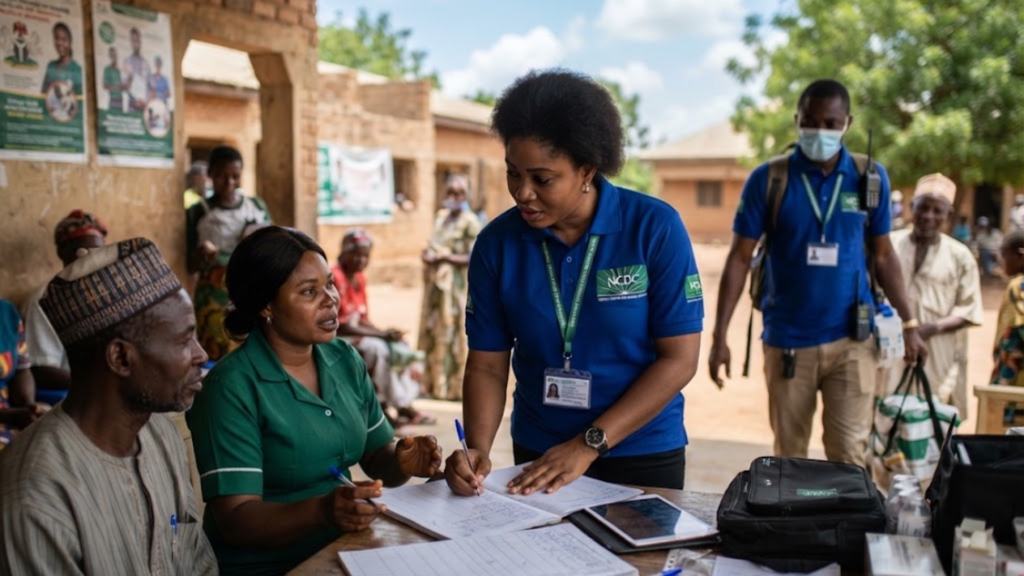
The Nigeria Centre for Disease Control is one of Nigeria’s most important public health institutions. Its work focuses on identifying infectious diseases, tracking their spread and coordinating responses when outbreaks threaten communities. The agency also helps health workers, government officials and the public understand health risks and take steps to reduce them.
READ: World Health Organization (WHO): Agency Profile and Global Health Role
Today, the institution is formally known as the Nigeria Centre for Disease Control and Prevention (NCDC). Its responsibilities go beyond responding to outbreaks after they begin. It also works to strengthen disease surveillance, improve laboratory services, support states and prepare the country for future public health emergencies.
Read: Do you need a professional writer in 72 hours? Contact Auxi Chat
Nigeria Centre for Disease Control: History and Establishment
READ: Dr. Jide Idris Biography: NCDC Director-General and Public Health Leader
The Nigeria Centre for Disease Control began taking shape in 2011, when relevant public health units and programmes within the Federal Ministry of Health were brought together to form the foundation of the institution.
The move was intended to improve Nigeria’s ability to identify disease threats and coordinate a national response. Before a central public health agency takes action, information often comes from hospitals, laboratories, health workers and local authorities. Bringing these efforts together helps the country understand where an outbreak is happening and what steps may be needed.
Read: Need a professional website in 72 hours? Contact Auxi Chat
A major milestone came in November 2018, when the law establishing the agency was signed. This gave the institution a stronger legal foundation and defined its responsibilities in protecting Nigerians from diseases of public health importance.
Since then, the NCDC has continued to develop its surveillance, laboratory, research and emergency-response capabilities. Its work supports the wider goal of building a health system that can identify threats early and respond more effectively.
What Does the Nigeria Centre for Disease Control Do?
The agency has several responsibilities that support disease prevention and public safety.
Disease surveillance: The NCDC coordinates systems that collect and analyse information about diseases. This helps public health officials notice unusual patterns, identify possible outbreaks and understand how diseases are spreading.
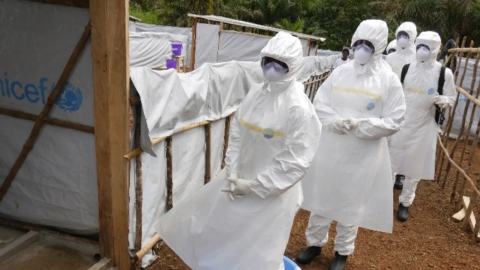
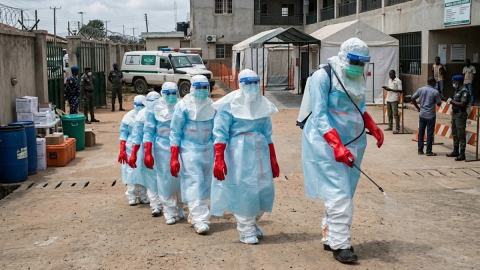
Outbreak investigation: When a disease outbreak is suspected, health authorities need to establish what is happening, who may be affected and how the spread can be controlled. The NCDC supports investigations and coordinates responses to significant outbreaks.
Emergency preparedness: The agency helps Nigeria prepare for health emergencies before they happen. This includes planning, training, coordination and strengthening the systems needed to respond when a serious threat appears.
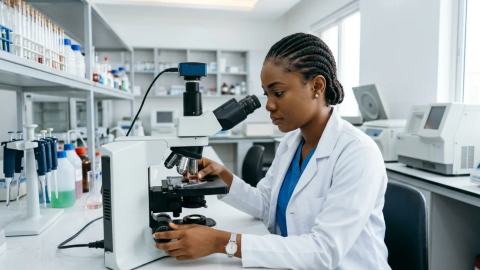
Laboratory support: Laboratory testing helps health workers identify the cause of an illness. The NCDC supports public health laboratory networks that help detect and investigate infectious diseases.
Public health communication: Clear information can help people understand health risks and take sensible precautions. The agency shares guidance and works with health professionals, government institutions, the media and communities to communicate important public health messages.
Together, these responsibilities help the country move from simply reacting to disease outbreaks towards detecting risks early and preparing for them.
How NCDC Helps Nigeria Respond to Disease Outbreaks
An outbreak can spread quickly when a disease is not identified early or when people do not know how to protect themselves. A coordinated response helps health authorities understand the threat and decide what action is necessary.
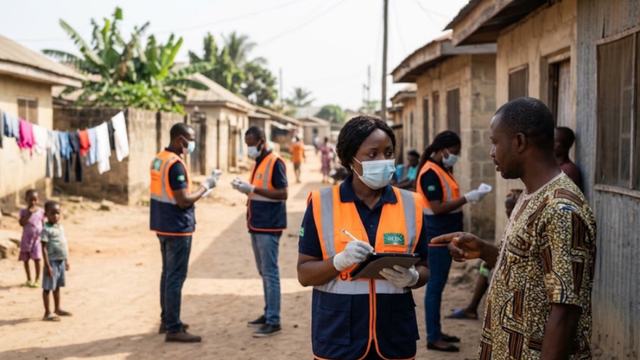
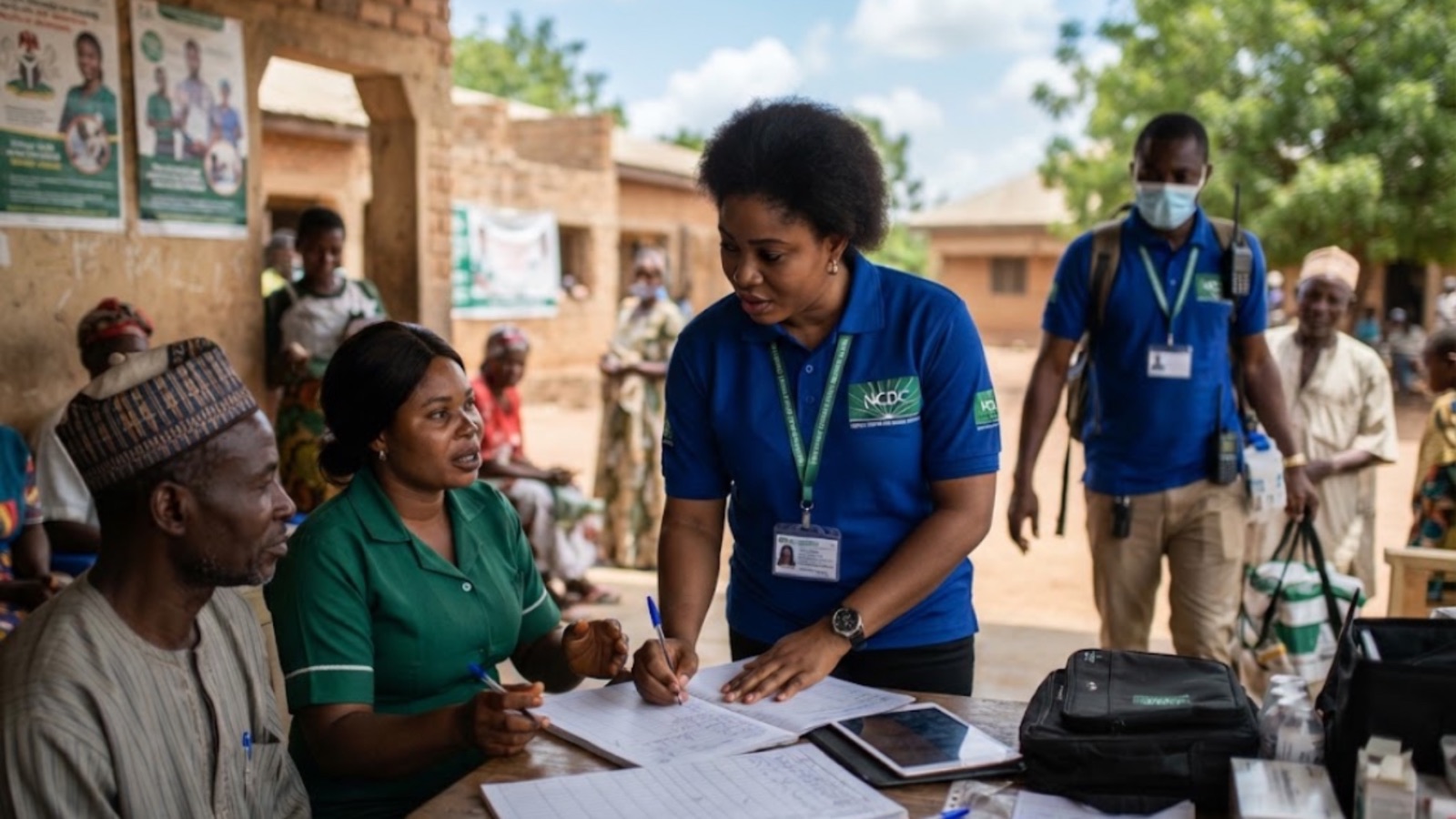
The Nigeria Centre for Disease Control works with relevant federal and state institutions, laboratories, healthcare professionals and other partners to support this process. Depending on the situation, the response may include investigating suspected cases, improving disease reporting, sharing technical guidance and coordinating emergency teams.
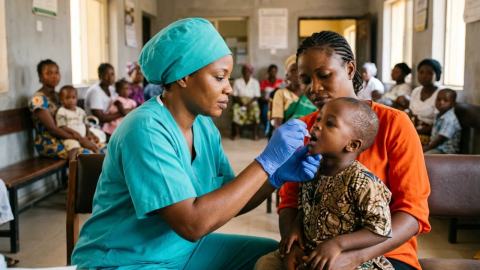
The agency does not replace hospitals or state health ministries. Hospitals provide care to patients, while state and local health authorities have important responsibilities in their communities. The NCDC helps coordinate national surveillance and supports responses when diseases require wider cooperation.
This shared approach is important because infectious diseases do not always remain within one community or state. Information gathered in one location may help authorities recognise a wider threat and act before it spreads further.
The Role of Disease Surveillance and Public Health Data
Reliable information is central to disease prevention. Without accurate reports, health authorities may struggle to identify an outbreak, estimate its size or decide where to direct resources.
Disease surveillance involves collecting, reviewing and interpreting information about illnesses and other public health threats. The NCDC coordinates surveillance systems and works with health institutions across Nigeria to improve the flow of information.
Public health data can help officials identify unusual increases in reported illnesses, monitor disease patterns and assess whether response measures are working. Laboratory results and reports from healthcare facilities can also help investigators understand the nature of an outbreak.
However, data must be collected carefully and interpreted correctly. Delays in reporting, gaps in laboratory capacity and incomplete records can make it harder to understand what is happening. Strengthening these systems remains an important part of building Nigeria’s public health security.
NCDC and Public Awareness in Nigeria
Public awareness is another important part of disease prevention. People need clear, reliable information to understand how diseases spread, when to seek medical care and what precautions may reduce their risk.
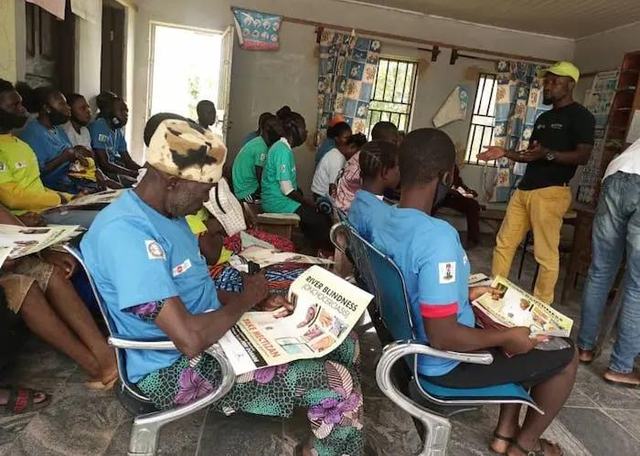
The NCDC communicates public health guidance and supports awareness efforts during outbreaks and other health emergencies. Its messages may explain symptoms that require attention, ways to reduce exposure to infection and the importance of following advice from qualified health professionals.
Responsible communication is especially important when fear or false information begins to spread. Unverified claims can create confusion, encourage unsafe behaviour and make it harder for health authorities to respond effectively.
The agency’s public communication role therefore supports more than awareness. It can help communities make informed decisions and work with health professionals during emergencies.
Challenges Facing the Nigeria Centre for Disease Control
Protecting public health across a large and diverse country requires strong systems, trained personnel and sustained funding. The NCDC operates within a wider health system that includes federal and state institutions, healthcare facilities, laboratories and community-level services.
READ: Ebola Update: Nigeria Tracks 10 Contacts After One Confirmed Case
One challenge is ensuring that disease information reaches the right authorities quickly. Differences in reporting systems, staffing and laboratory resources can affect how early an outbreak is detected.
Another challenge is public trust. Health guidance is most effective when people understand it and feel confident that the information is reliable. Misinformation, limited access to healthcare and difficulties reaching remote communities can complicate prevention and response efforts.
Coordination is also essential. Public health emergencies may require cooperation between different levels of government and across sectors, including healthcare, education, transport and environmental services.
Addressing these challenges requires long-term investment, regular training, stronger surveillance systems and effective communication with the public.
Why the Nigeria Centre for Disease Control Matters
The Nigeria Centre for Disease Control plays an important role in helping the country prepare for, identify and respond to infectious disease threats. Its work connects information from laboratories and healthcare facilities with national planning and emergency coordination.
Although the agency cannot prevent every outbreak, strong surveillance and preparedness can help authorities recognise threats earlier and organise a more effective response. Public awareness, accurate reporting and cooperation between health institutions also contribute to better outcomes.
For Nigerians, the importance of the NCDC lies in its role in national health protection. Its work supports a system that aims to identify danger, share reliable information and reduce the impact of disease on individuals and communities.
As public health risks continue to change, the agency’s ability to coordinate surveillance, strengthen preparedness and work with partners will remain an important part of Nigeria’s health security.
Are you interested in learning how to write professionally and earn money as a writer and content creator? Contact us today to start your writing journey immediately.
Need a professional website in 72 hours? Contact us
Do you need a professional writer in 72 hours? Contact us
If you have an article, guest story, event or news tip you would like published, Global News Arena would love to hear from you.