
Antibiotic Resistance Raises Concerns Over Common Hospital Infections
READ: WHO Launches Bending the Curve by 2030 Obesity Plan
Antibiotic resistance is becoming a growing public health concern as bacteria that cause serious infections increasingly withstand medicines used to treat them, according to a joint warning from the World Health Organization (WHO) and the European Centre for Disease Prevention and Control (ECDC).
Read: Do you need a professional writer in 72 hours? Contact Auxi Chat
The warning, released on November 18, 2026, highlighted new surveillance findings showing that some common hospital-associated bacteria are becoming harder to treat across the WHO European Region.
READ: More People in England Are Getting Cancer Than Ever Before
One of the most concerning findings involved Klebsiella pneumoniae, a bacterium that can cause serious bloodstream infections, pneumonia and other illnesses, particularly among hospital patients.
According to the agencies, bloodstream infections caused by carbapenem-resistant Klebsiella pneumoniae increased by an estimated 72 per cent between 2019 and 2025 in the European Union.
Read: Need a professional website in 72 hours? Contact Auxi Chat
The increase is particularly concerning because carbapenems are powerful antibiotics generally reserved for treating severe bacterial infections when other medicines may no longer work.
The agencies warned that the continued spread of resistant bacteria could leave doctors with fewer effective treatment options, increasing the difficulties associated with managing serious infections.
WHO Reports Rising Resistance to Important Antibiotics
The latest findings also identified an increase in infections involving another common bacterium, Escherichia coli, commonly known as E. coli.
Bloodstream infections caused by E. coli resistant to third-generation cephalosporins increased by an estimated 16.4 per cent between 2019 and 2025.
The increase comes despite a European Union target of reducing these infections by 10 per cent by 2030.
The findings also showed that antibiotic resistance has become widespread in several countries.
In approximately half of the reporting countries in the WHO European Region, at least half of the tested samples of Klebsiella pneumoniae and Acinetobacter from patients with serious infections were resistant to important antibiotics.
The report also identified some positive developments. Bloodstream infections caused by methicillin-resistant Staphylococcus aureus (MRSA) decreased by an estimated 19 per cent between 2019 and 2025 across the European Union.
However, the agencies warned that recent increases could threaten the progress made against the infection.
Why Antibiotic Resistance Is Becoming More Dangerous
Antibiotic resistance occurs when bacteria develop the ability to survive medicines designed to kill them or stop their growth.
When this happens, treatments that previously worked against bacterial infections may become less effective or fail completely.
The problem can make conditions such as bloodstream infections and pneumonia more difficult to manage, particularly among patients with weakened immune systems or those receiving intensive hospital treatment.
The WHO and ECDC identified several factors contributing to the challenge, including the spread of resistant bacteria in healthcare facilities, inappropriate antibiotic use and gaps in infection surveillance.
The agencies also warned that some countries do not have sufficiently coordinated systems for collecting and analysing resistance data.
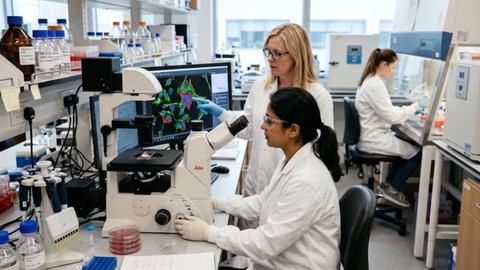
Without reliable laboratory testing, doctors may have difficulty identifying the bacteria responsible for an infection and determining which antibiotics are likely to work.
This can delay appropriate treatment and increase the risk of patients receiving medicines that are ineffective against their infections.
WHO Calls for Stronger Antibiotic Control and Hospital Infection Prevention
The WHO and ECDC are urging governments and healthcare facilities to strengthen measures aimed at preventing the spread of resistant bacteria.
Their recommendations include improving hand hygiene, strengthening hospital cleaning and disinfection procedures, expanding laboratory testing and ensuring that healthcare workers follow appropriate infection prevention practices.
The agencies also called for more responsible antibiotic use to preserve the effectiveness of medicines that remain available.
The warning is particularly relevant to parents and caregivers because many common childhood illnesses, including colds, coughs and sore throats, are caused by viruses rather than bacteria.
Antibiotics do not treat viral infections and should only be used when medically necessary and prescribed by an appropriate healthcare professional.
READ: Experts Call on States to Step Up NTD Elimination Drive
The campaign accompanying the latest warning, European Antibiotic Awareness Day 2026, carries the message, "Care for your kids, use antibiotics wisely."
The campaign is part of World Antimicrobial Resistance Awareness Week, which runs from November 18 to 24.
What the Growing Antibiotic Resistance Problem Means for Patients
The increasing resistance of bacteria to antibiotics highlights the need for stronger public health systems, better medical testing and responsible use of available medicines.
Although the latest figures focus on Europe, antimicrobial resistance remains a global public health challenge because resistant organisms can spread across borders through people, animals, food systems and international travel.
For patients, the development could mean longer treatment periods, more complicated medical procedures and fewer effective medicines when serious bacterial infections occur.
The WHO and ECDC have stressed that resistance can be controlled through sustained investment in infection prevention, surveillance, laboratory services and responsible antibiotic use.
As healthcare authorities continue monitoring the situation, protecting the effectiveness of existing antibiotics remains essential to ensuring that patients can receive appropriate treatment when they need it.
Are you interested in learning how to write professionally and earn money as a writer and content creator? Contact us today to start your writing journey immediately.
Need a professional website in 72 hours? Contact us
Do you need a professional writer in 72 hours? Contact us
If you have an article, guest story, event or news tip you would like published, Global News Arena would love to hear from you.