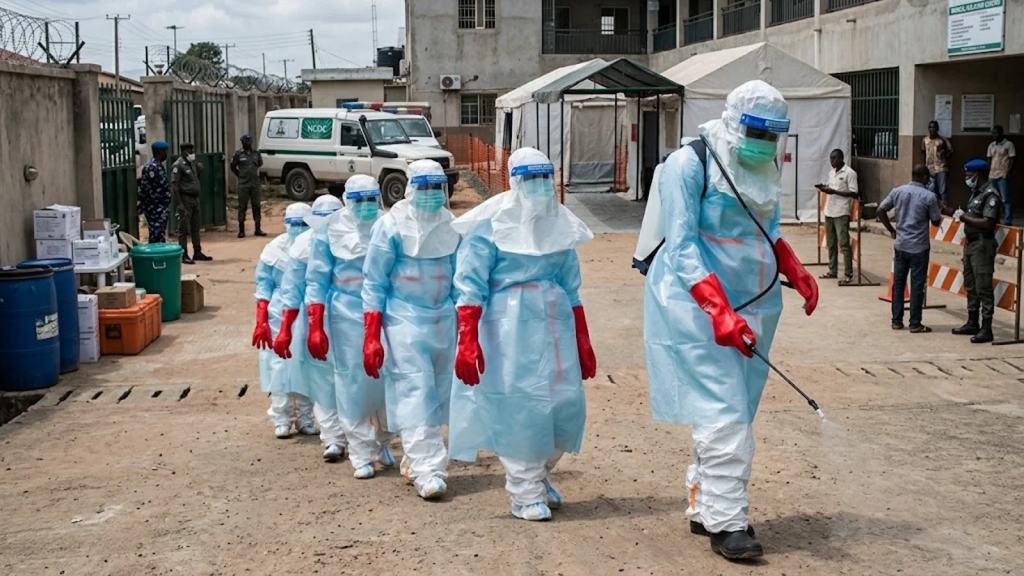
Two suspected cases of Ebola disease in Nigeria have been reported in the North-East, according to an alert supplied for this report. Both individuals have been isolated, and laboratory testing is underway. Neither case has been confirmed.
The alert says identification and listing of contacts are ongoing. It advises the public to maintain good hand hygiene, improve sanitation and follow public health guidance while awaiting verified information.
Important details remain unavailable. The notice gives no date, state, treatment facility or issuing authority. It also provides no laboratory results or information about the individuals’ condition. Those gaps limit what can be established about the reported event.
The immediate distinction is between suspicion and diagnosis. Isolation and testing are precautionary measures used to investigate possible infections. They do not, by themselves, establish that Ebola is present or spreading.
What is known about Ebola disease in Nigeria
The supplied alert describes three actions: isolation of both individuals, identification of their contacts and laboratory testing. It does not explain which symptoms or exposure histories prompted the suspected classifications.
A suspected case is someone who meets criteria for investigation. Those criteria can include symptoms and possible exposure to infection. Confirmation requires appropriate laboratory evidence, rather than symptoms alone.
Ebola can initially cause fever, fatigue, muscle pain and headache. These symptoms overlap with other illnesses, including infections more commonly encountered in Nigeria. A person’s symptoms therefore cannot reliably establish an Ebola diagnosis without further assessment.
The alert contains no confirmed test result, reported death or confirmed chain of transmission. It also gives no number of contacts identified. These omissions should not be filled with assumptions about severity or scale.
Readers should not interpret the notice as proof of a confirmed outbreak. Equally, the absence of confirmation does not make investigation unnecessary. Prompt assessment allows health teams to respond while the cause of illness remains uncertain.
Why isolation and contact identification matter
Ebola is a serious viral illness. It spreads through direct contact with blood or other body fluids from an infected person who is symptomatic, or from someone who has died from the disease. Contaminated materials can also transmit infection.
It does not spread through the air in the same way as measles. People with Ebola are not considered infectious before symptoms begin. These distinctions matter because fear can spread much further than the actual risk of exposure.
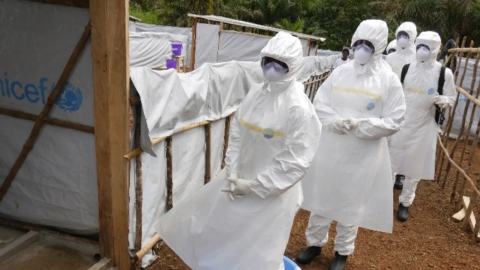
Isolation separates a person under assessment from others and allows care with infection precautions. Starting isolation before results arrive can reduce opportunities for exposure if testing later confirms Ebola.
Contact identification means establishing who may have had a relevant exposure. Health teams can then assess those people and determine whether monitoring is needed. Being listed as a contact does not mean someone is infected.
For Ebola, monitoring generally covers the 21 days after a person’s last exposure. That reflects the recognised maximum incubation period, the interval between infection and symptoms. The alert does not specify what monitoring arrangements have been made in this instance.
These are standard public health principles, not additional findings about the two individuals. Their movements, possible exposures and contact histories remain undisclosed.
What the public should do now
The alert recommends good hand hygiene and enhanced sanitation. Regular handwashing with soap and water is a useful everyday protection against many infections. Alcohol-based hand rub can also support hand hygiene when appropriate.
However, hygiene advice should not obscure how Ebola exposure occurs. Avoid direct contact with another person’s blood, vomit, diarrhoea or other body fluids. Suspected contamination requires informed handling, not unprotected cleaning by relatives or neighbours.
Anyone who feels unwell after a possible Ebola exposure should seek prompt medical advice. Where possible, contact a health service before arriving and describe the potential exposure. This helps staff arrange assessment and suitable precautions.
Fever alone is not evidence of Ebola. People should not diagnose themselves from social media posts or delay care for other illnesses because they fear being labelled as a suspected case.
The supplied notice contains no verified emergency number or designated treatment centre. Readers should obtain contact details through established public health authorities or recognised healthcare facilities rather than circulating unverified numbers.
There is no basis in the alert for singling out communities, avoiding everyone from the North-East or assuming widespread transmission. Risk assessment depends on actual exposure, not a person’s region of origin.
Nigeria’s experience offers context, not a forecast
Nigeria previously experienced an Ebola outbreak in 2014, during the larger West African epidemic. The country contained that outbreak through measures including isolation, contact tracing and coordinated public health work.
That history helps explain why suspected infections warrant careful investigation. Identifying possible cases early can give health teams time to assess exposure and organise a response.
However, the 2014 outbreak does not establish any connection to the current alert. The supplied information contains no evidence identifying where either individual might have acquired an infection, if Ebola is confirmed at all.
Past success also cannot guarantee a particular outcome today. The relevant questions concern the current laboratory findings, exposure histories and response arrangements. None can be answered simply by referring to an earlier outbreak.
For a global audience, the regional description is also important. Nigeria’s North-East covers several states. Without a more precise location, readers cannot responsibly infer which communities, facilities or travel routes might be relevant.
Missing details and the need for clear communication
The notice includes no named statement from Nigeria’s public health authorities, regional officials or the facility caring for the individuals. It also includes no response from the affected people or their families.
This means the reported actions cannot be assessed against a detailed, attributable official account. Establishing the alert’s date and origin is particularly important before presenting it as a current national health development.
A useful follow-up would identify the responsible health authority and clarify the investigation’s status. It should explain whether test results are pending, whether further testing is needed and what practical guidance applies locally.
Such communication does not require publishing patients’ names or private details. Protecting confidentiality helps prevent stigma and keeps attention on medically relevant information.
There is no documented dispute between named parties in the supplied material. The central uncertainty is evidentiary: whether laboratory testing will confirm Ebola, exclude it or require further investigation.
What happens next
The next decisive development is an attributable update on laboratory findings. A confirmed result would require guidance on the public health response. A negative finding would need appropriate clinical interpretation and communication from those responsible for the investigation.
The alert promises further information but provides no timetable. Until then, readers should check the date, source and exact wording of any update before sharing it.
For now, the position is limited but clear: an alert reports two suspected cases, isolation, contact identification and testing. It does not report confirmed Ebola cases. Taking precautions while preserving that distinction is the most useful response to the information available.
The writer of this article does not claim to know the individuals named personally. The information about their backgrounds, as published on Global News Arena, is based on independent online research.
Are you interested in learning how to write professionally and earning money as a writer and content creator? Contact Auxi Chat today to start your writing journey immediately.
If you have an article, opinion piece, event or news story you would like published, Global News Arena would love to hear from you.