Nigeria has installed generation capacity several times greater than what its grid typically delivers. Understanding why requires looking past power stations to the flow of money through the sector.
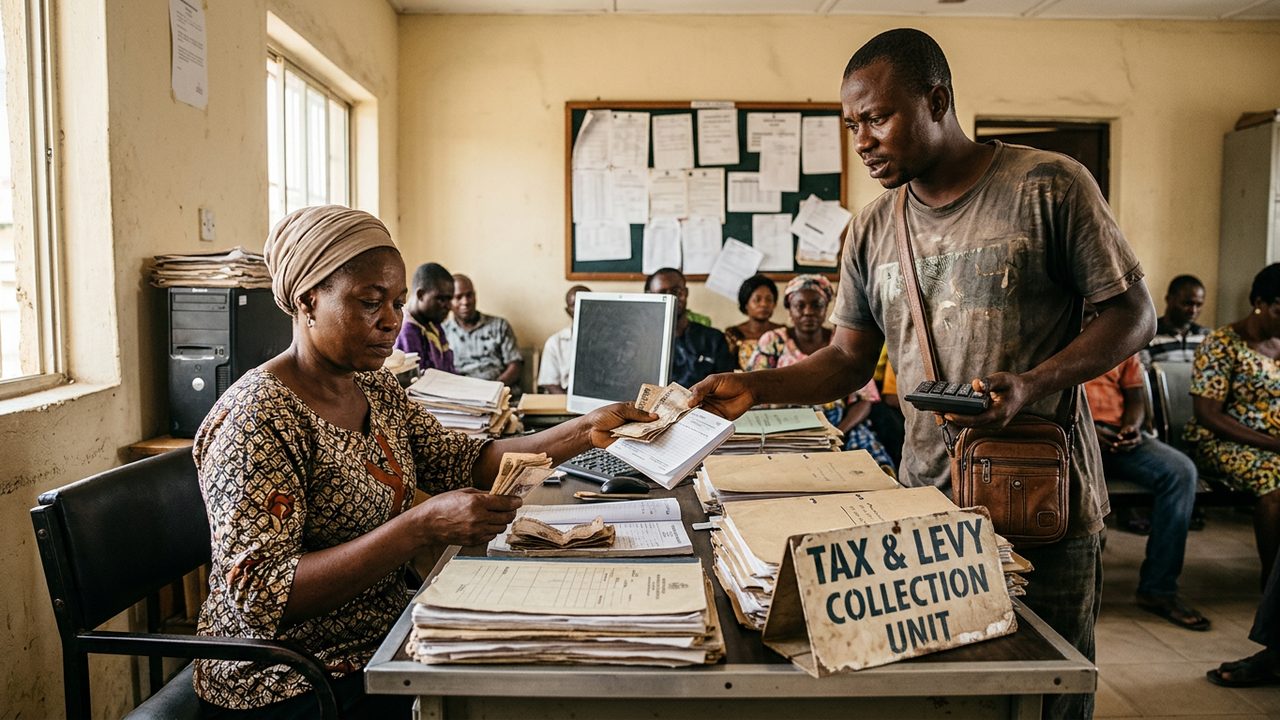
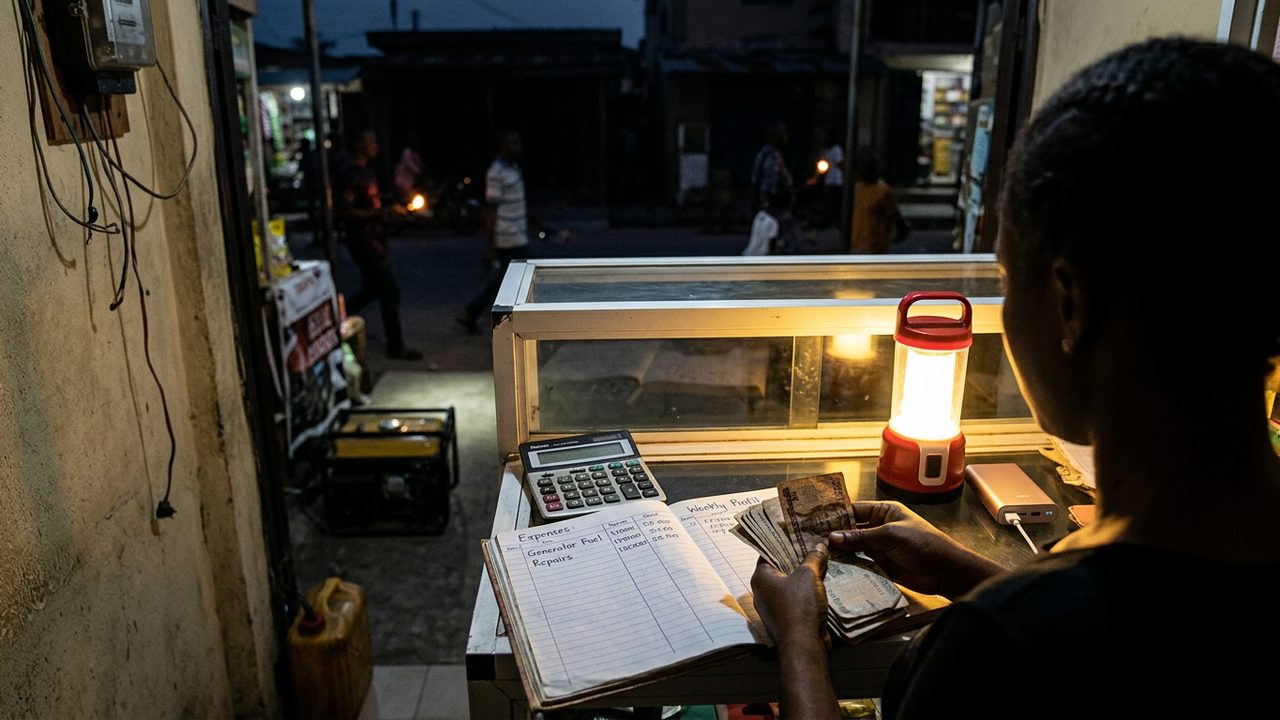
Electricity is generated by companies that sell to a bulk trader, which sells to eleven distribution companies, which bill customers. Each link depends on the one below it paying. When distribution companies collect only a portion of what they bill, because a large share of customers are unmetered and billed on estimate, the shortfall travels back up the chain. Generators are paid a fraction of their invoices, cannot service gas suppliers, and gas suppliers reduce deliveries. Plants then sit idle for want of fuel rather than for want of capacity.
Transmission is the second constraint. The national grid carries a limited load and has historically been prone to system collapse when frequency moves outside a narrow band. Reforms allowing states to regulate their own electricity markets have opened a route to embedded generation and localised distribution, and several states have begun to use it.
The policy question is not whether to build more plants. It is whether tariffs, metering and collection can be brought to a point where private capital will finance the network without recurring federal intervention.