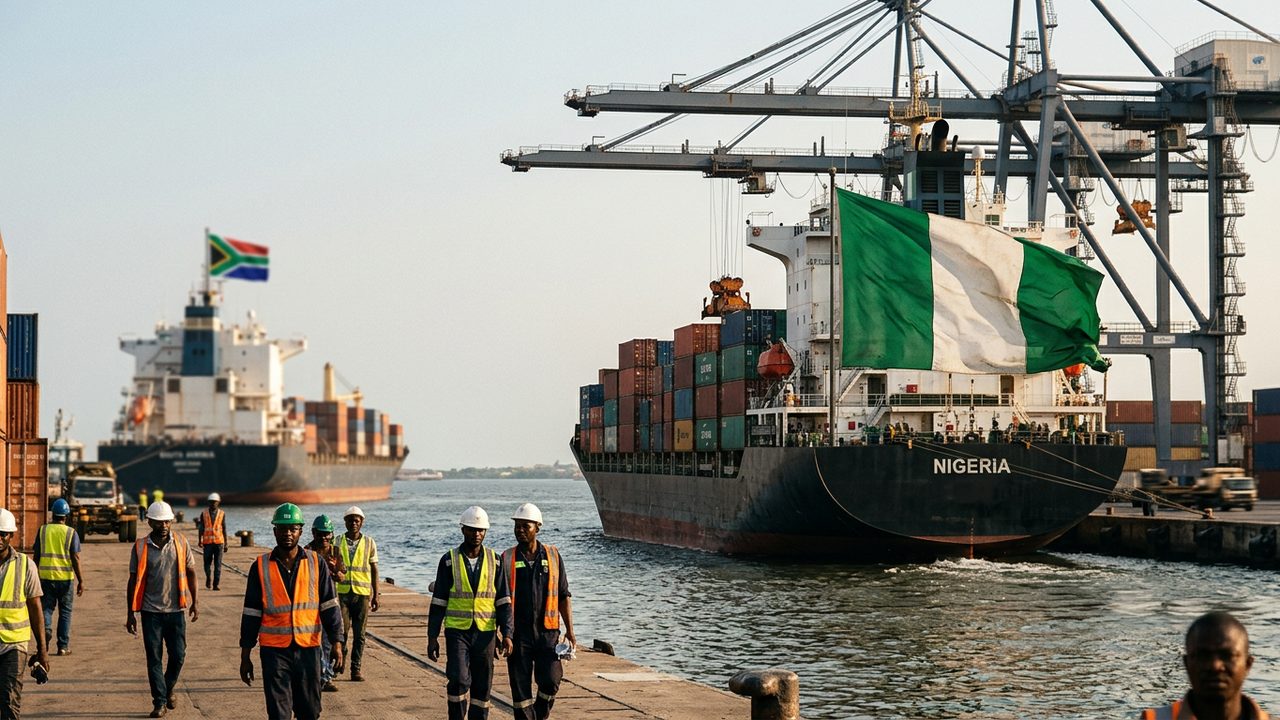
Food price debates in Nigeria tend to focus on production. The evidence points at least as strongly to what happens after the crop leaves the field.
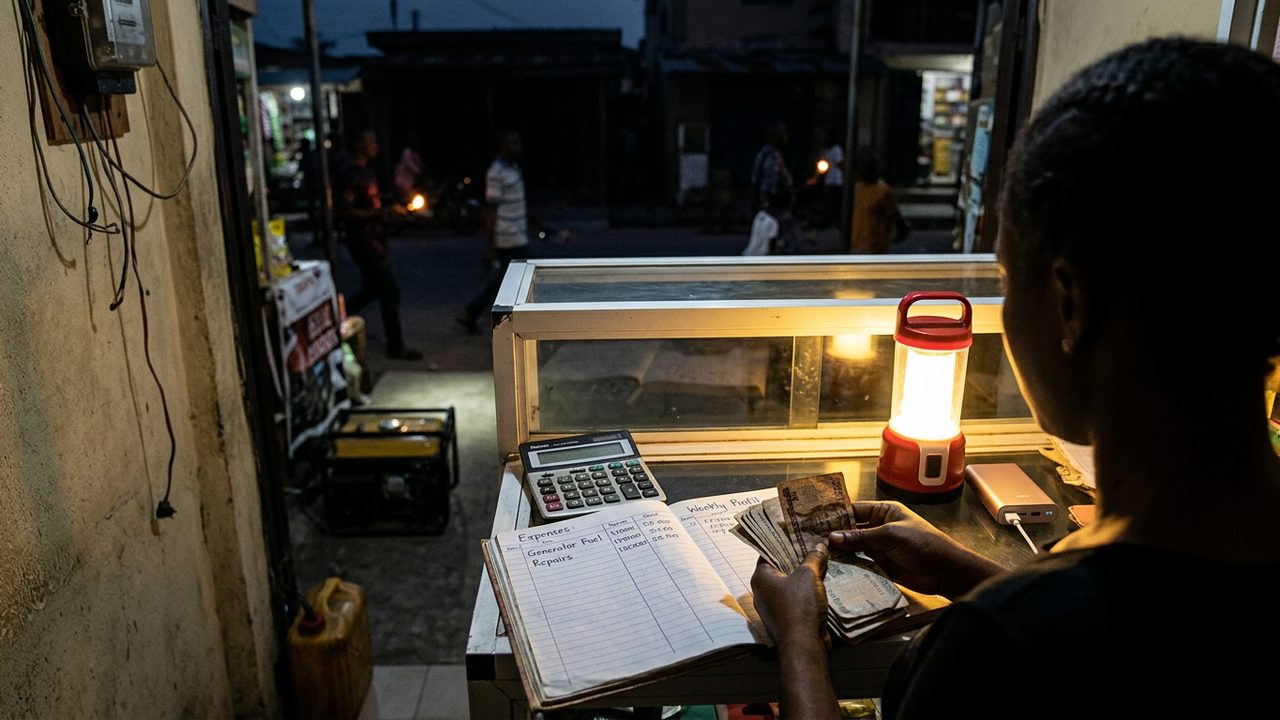
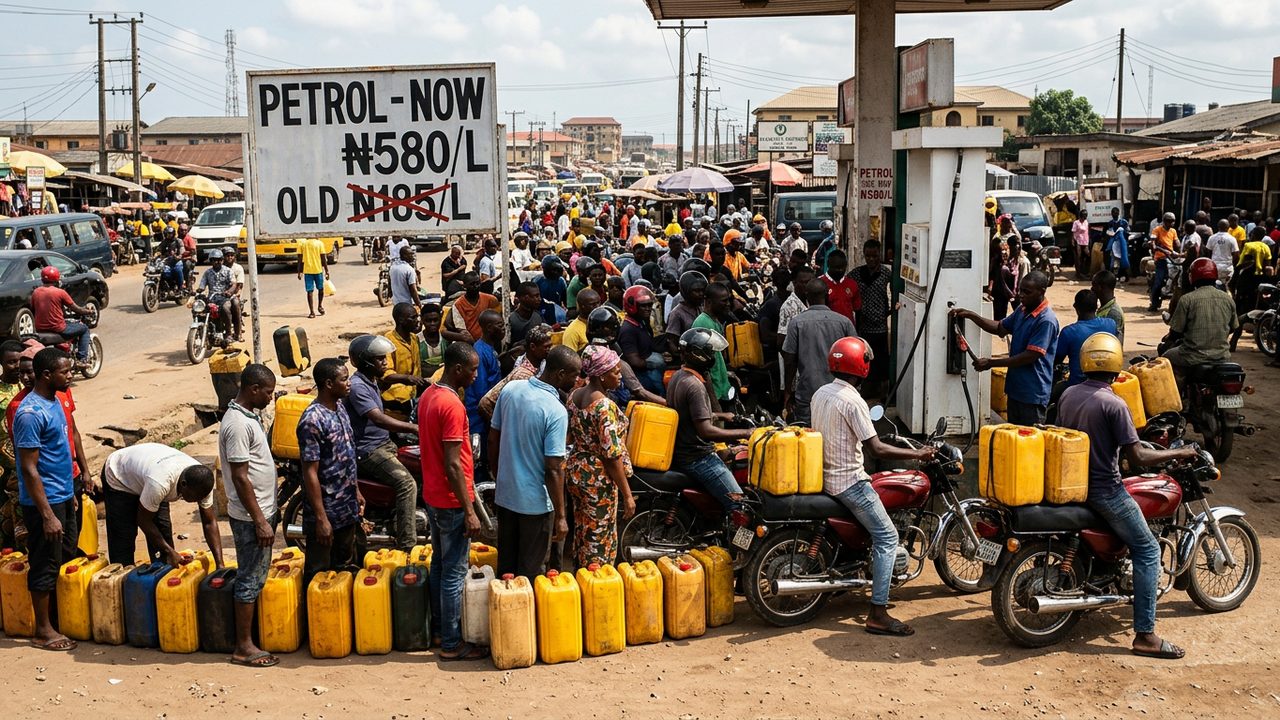
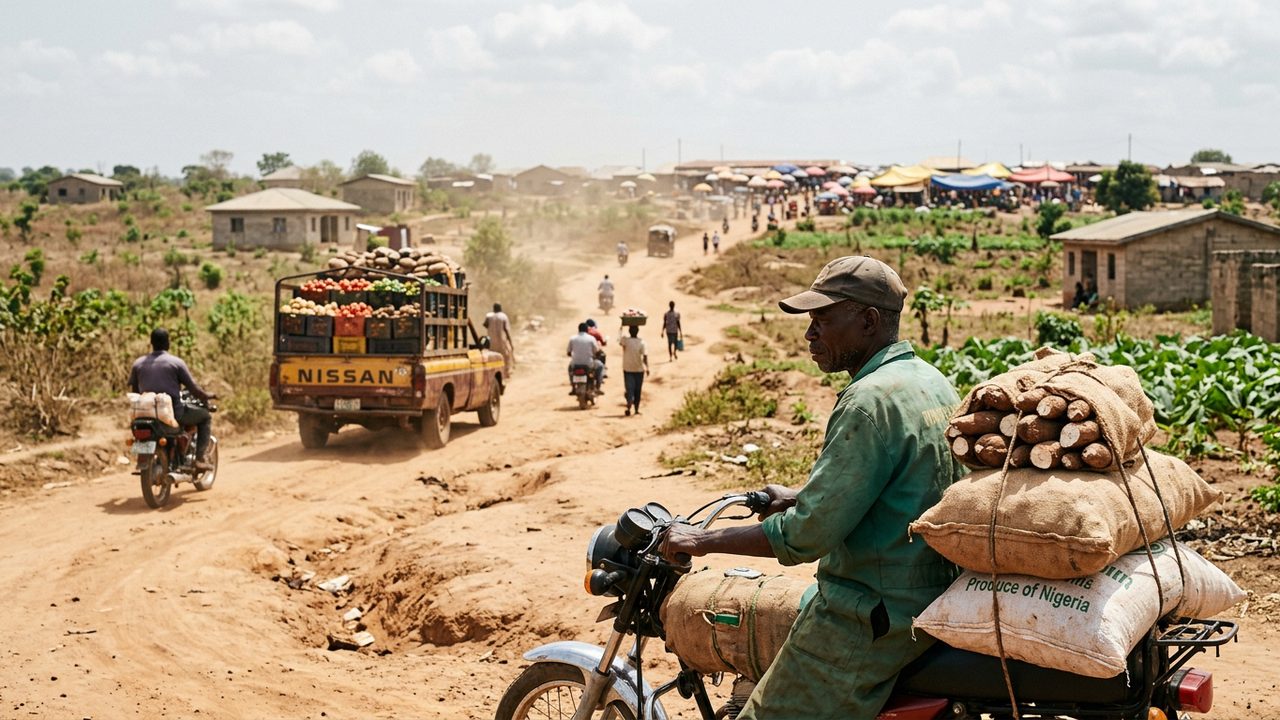
Post-harvest losses remain high, driven by storage, handling and the time taken to reach a buyer. Every additional day of transit is a cost paid twice, in spoilage and in fuel.
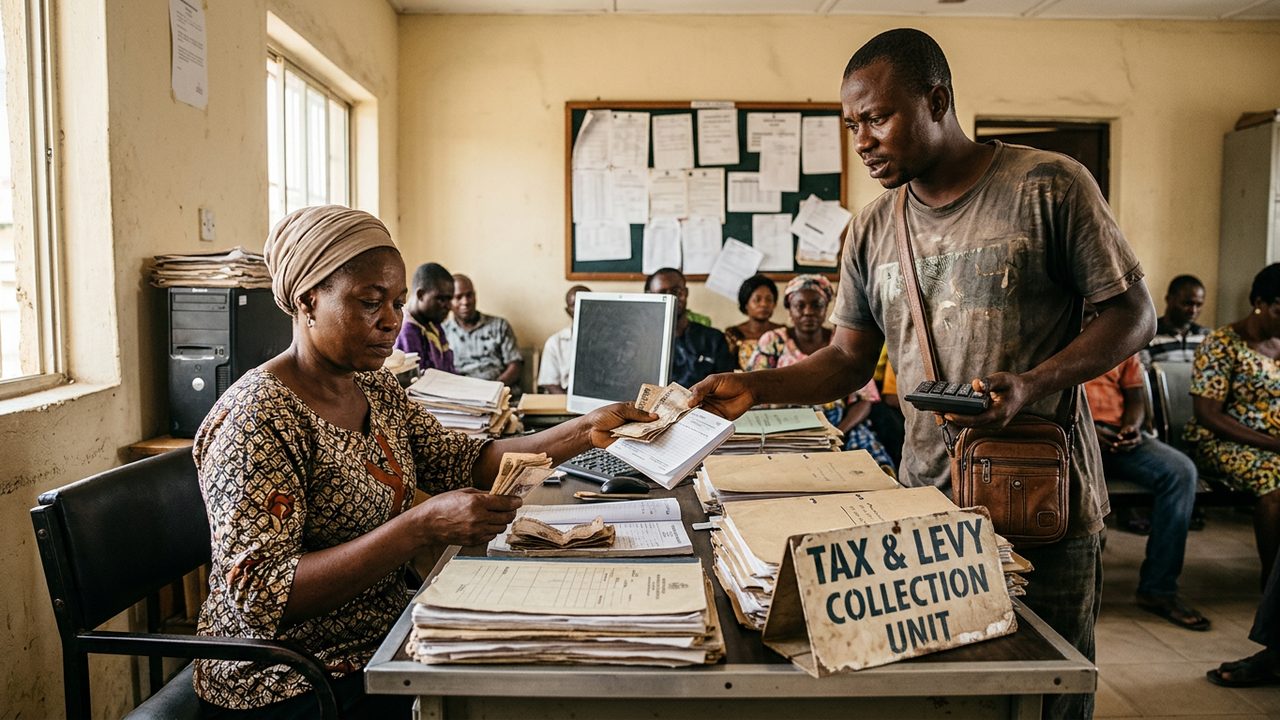
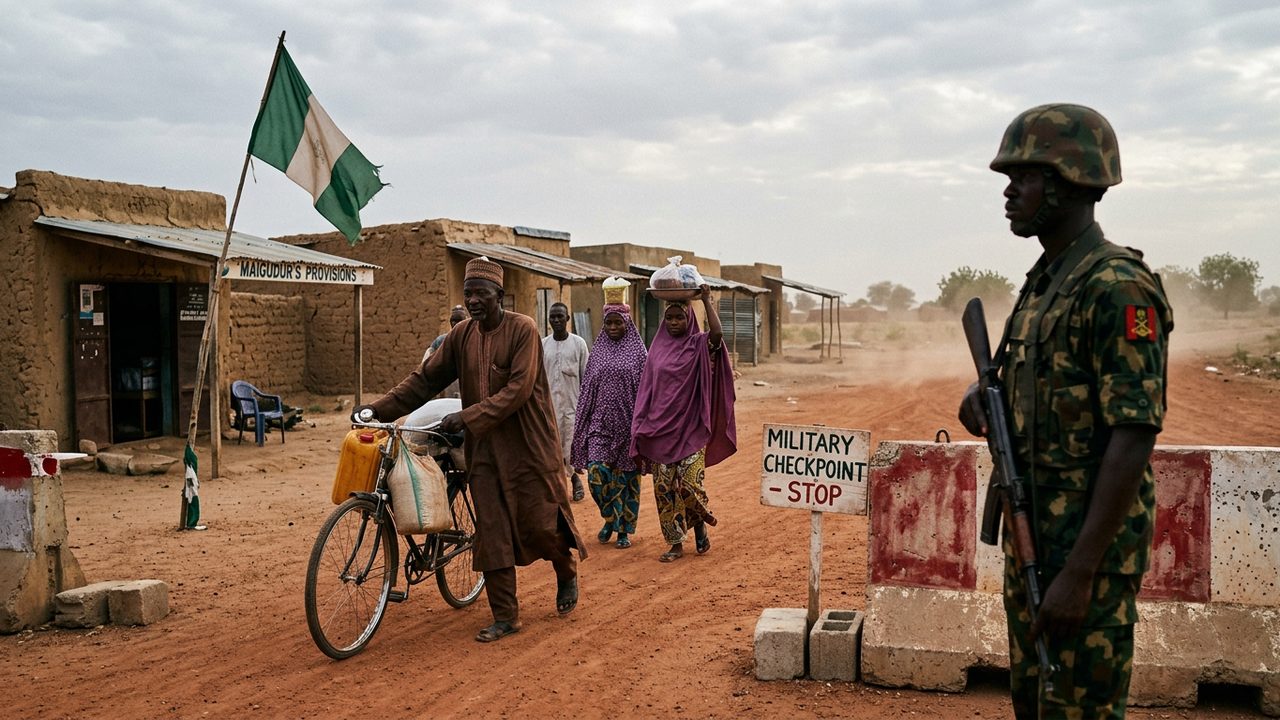
Road conditions and informal levies along trading routes add a margin that never appears in any official figure but is well known to every haulier.
Interventions aimed at storage, aggregation and route reliability have shown better returns than input subsidies in the districts where both were tried.