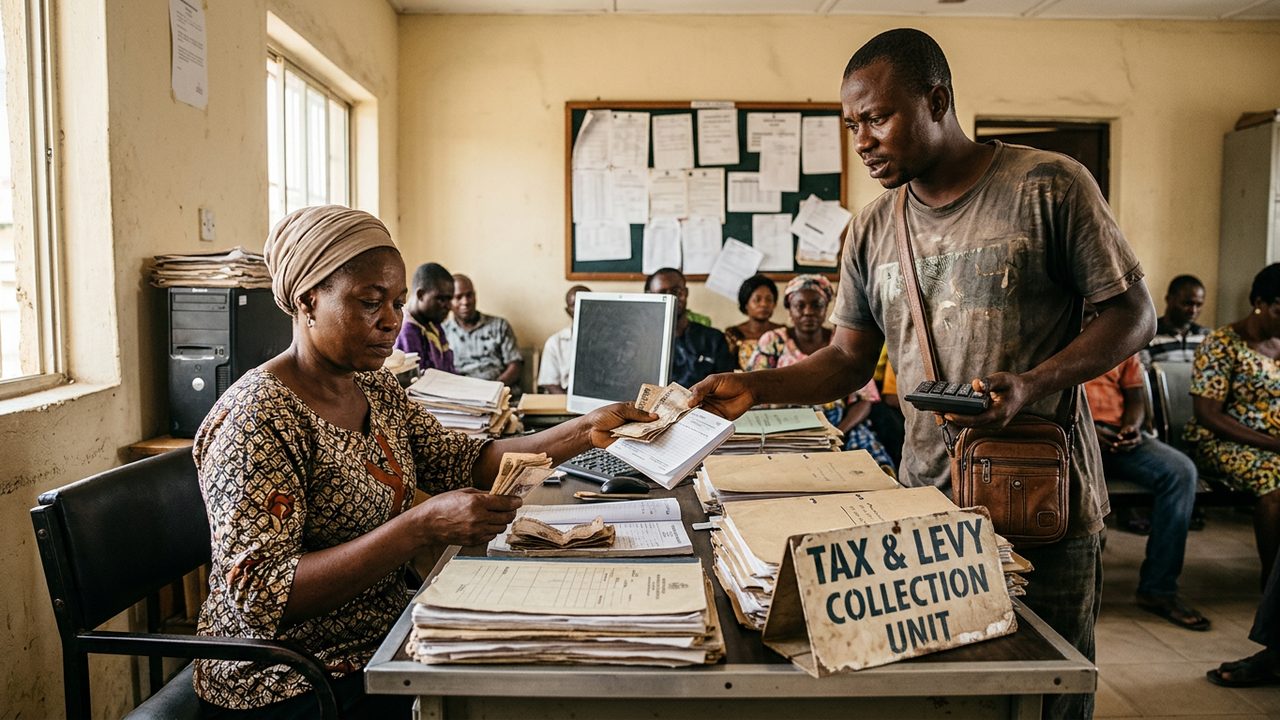
Successive Nigerian administrations have reformed tax rates and thresholds. Revenue as a share of output has moved far less, because the constraint is administrative rather than legislative.
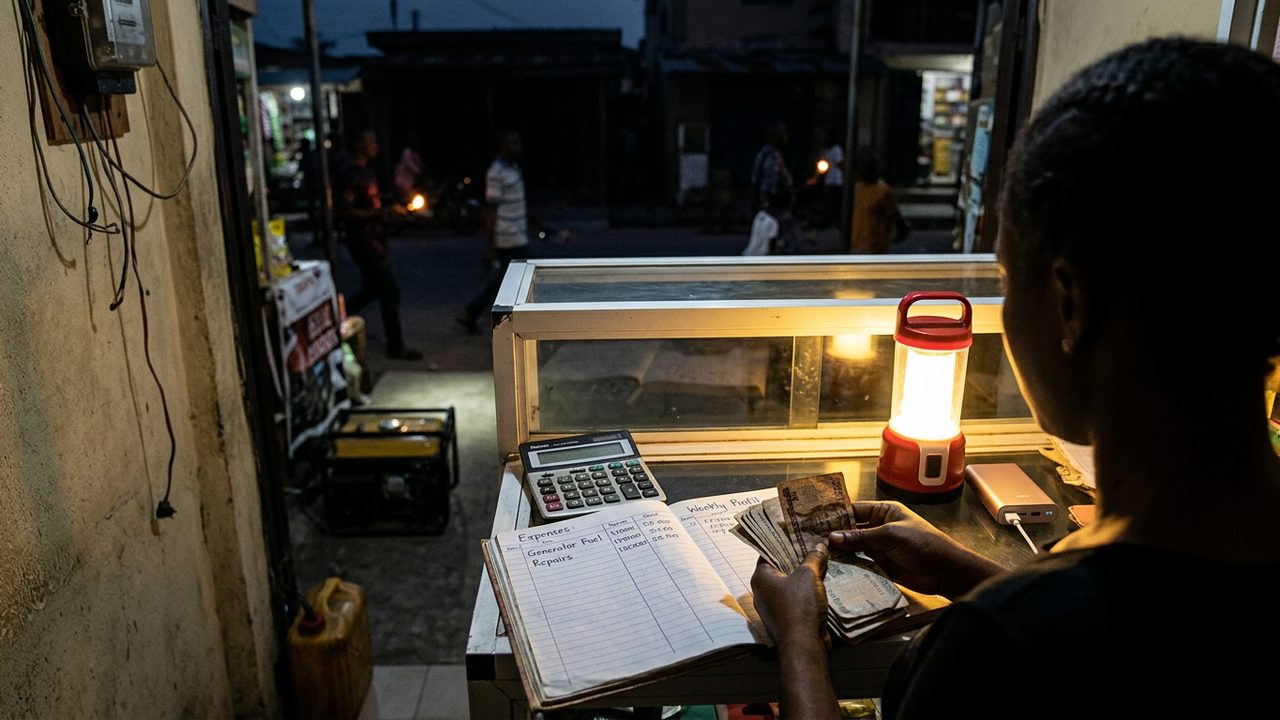
Most economic activity remains informal, which limits the reach of income taxation and pushes governments towards consumption taxes that hit the poorest hardest.
Digital filing and identity systems have improved matters where they are joined up. Where databases remain separate, the same taxpayer appears three times and is chased none.
The measure of success is not the headline rate. It is whether a small business owner can register, file and pay without hiring a fixer.