The West African epidemic usually refers to the Ebola crisis that began in Guinea in late 2013 and became an international health emergency. Lasting into 2016, it was the largest and most complex Ebola epidemic recorded since the virus was identified in 1976.
Guinea, Liberia and Sierra Leone suffered the overwhelming majority of infections and deaths. Across the epidemic, reported totals exceeded 28,000 cases and 11,000 deaths. These figures included confirmed, probable and suspected cases, and the true toll was likely higher because some illnesses and deaths went unreported.
How the epidemic began and spread
Investigators traced the earliest known cases to southeastern Guinea in December 2013. Ebola was identified as the cause in March 2014. By then, the disease had spread through communities in a border region where travel, trade and family connections linked several countries.
Earlier Ebola outbreaks had generally affected smaller, often remote populations in Central Africa. This epidemic reached major cities, making identification and isolation of patients much harder. Fragile health services, shortages of trained staff and protective equipment, and delays in recognizing the threat allowed transmission to accelerate.
Ebola spreads through direct contact with the blood or other body fluids of an infected person who has symptoms, or with contaminated objects. Bodies of people who have died from Ebola can also transmit the virus. It does not spread through ordinary airborne transmission like measles.
Nigeria's outbreak in 2014
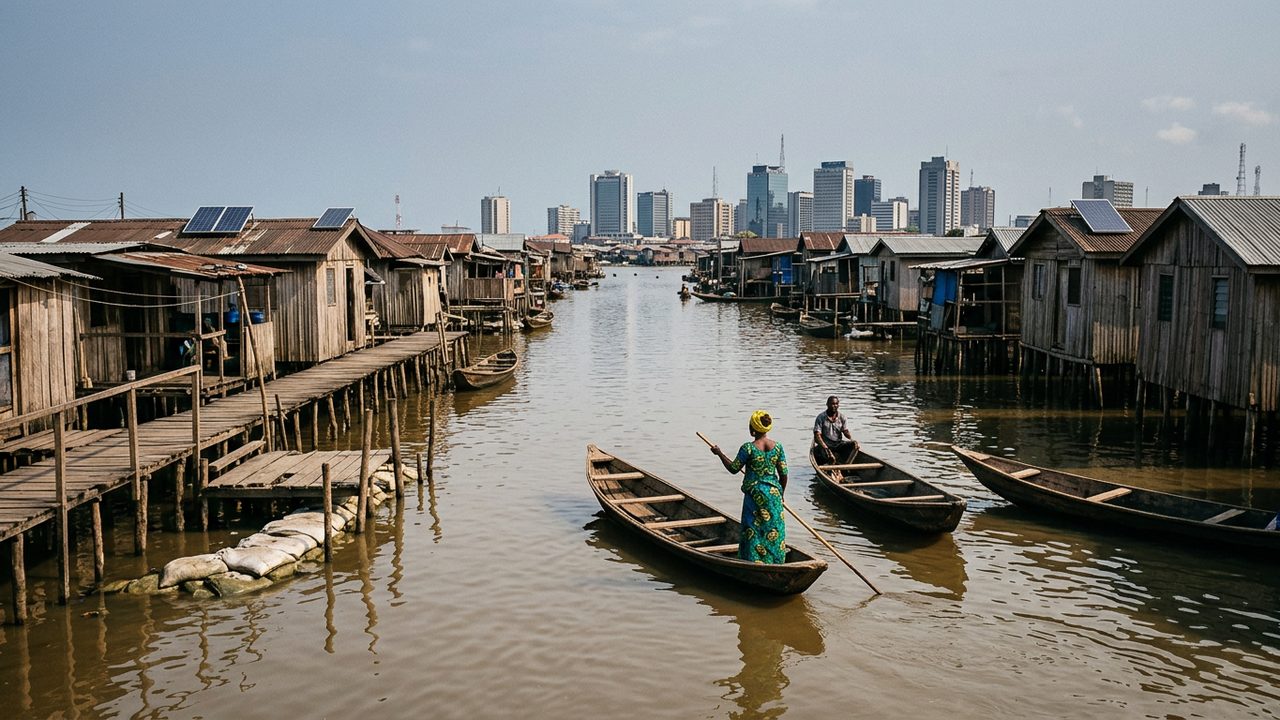
Nigeria's outbreak began in July 2014 when an infected traveler arrived in Lagos from Liberia. Transmission subsequently affected Lagos and Port Harcourt. Nigeria recorded 20 cases and eight deaths, a much smaller toll than the hardest-hit countries but a serious public health threat.
The response relied on rapid coordination, laboratory testing, isolation and treatment of patients, and extensive contact tracing. Teams identified people who might have been exposed and monitored them for symptoms during the virus's 21-day incubation period.
Nigeria also drew on emergency coordination systems developed for its polio eradication programme. Public communication and cooperation between health authorities helped support the response.
On October 20, 2014, the World Health Organization declared Nigeria free of Ebola transmission after 42 days without a new case, twice the maximum incubation period. This declaration marked the end of that outbreak, not immunity from future introductions of the virus.
The human cost and international response
In the worst-affected countries, Ebola disrupted far more than specialist treatment services. Health workers died, clinics closed or reduced services, and fear discouraged people from seeking care. Routine vaccination, maternity services and treatment for other illnesses suffered.
Schools closed, livelihoods were interrupted, and families faced bereavement and stigma. Survivors sometimes experienced lasting health problems, including joint pain and eye complications, alongside difficulties returning to work and community life.
The World Health Organization declared an international public health emergency in August 2014. National authorities, local volunteers, humanitarian organizations and international partners expanded treatment centres, testing, safe burial services and community outreach. Trust was essential: control measures worked better when communities understood them and helped shape their delivery.
Why the epidemic still matters
The crisis exposed major weaknesses in outbreak preparedness and the speed of international response. It also demonstrated that established public health measures could interrupt transmission, even after the virus reached a densely populated city such as Lagos.
Research accelerated during the epidemic, including trials that supported the development of an effective Ebola vaccine. Vaccines and treatments subsequently became important tools against disease caused by the Zaire Ebola virus.
The central lesson remains preparedness. Strong local health services, early detection, protection for health workers and trusted communication are essential to preventing an outbreak from becoming a wider emergency.