Nigeria is a West African country known for its cultural diversity, entrepreneurial energy and international influence. Its writers, musicians, filmmakers and digital creators reach audiences far beyond its borders, while its economy and population give it a central role in regional affairs.
READ: Nigeria: Biography, History and Cultural Influence
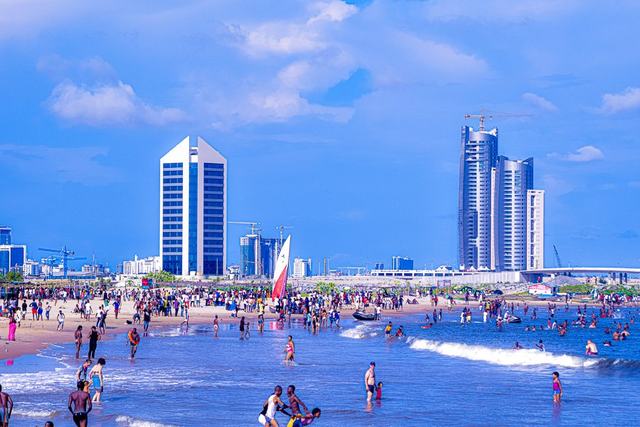
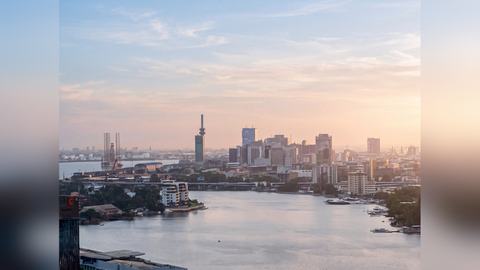
Officially the Federal Republic of Nigeria, it has Abuja as its capital and Lagos as its largest city and a major commercial centre. Understanding the country also means understanding the importance many families place on education, professional achievement and social mobility.
Geography and cultural identity
READ: Lagos: Biography, History and Cultural Identity
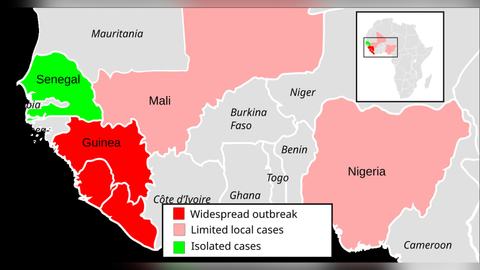
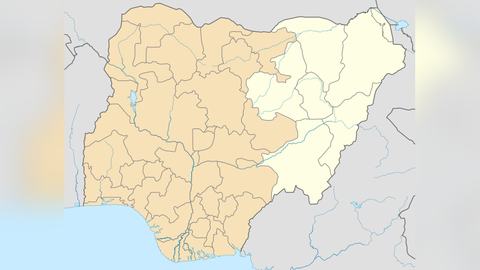
Nigeria borders Benin, Niger, Chad and Cameroon, with a southern coastline on the Gulf of Guinea. Its landscapes range from coastal wetlands and forests to central savannas and the drier northern regions. The Niger and Benue rivers are major geographical features.
The country is home to hundreds of ethnic groups. Hausa, Yoruba and Igbo communities are among the largest, alongside many others with distinct languages, traditions and histories. English is the official language, while Nigerian Pidgin serves as a widely used means of everyday communication across communities.
Islam and Christianity are the largest religions, and indigenous religious traditions remain part of the cultural landscape. Regional differences are significant, so no single custom or experience can represent all Nigerians.
Historical foundations and government
Long before modern Nigeria existed, its territory contained established states, trading networks and centres of artistic production. These included the kingdoms of Benin and Oyo, the Hausa city-states and the Kanem-Bornu empire. The ancient Nok culture is known for its terracotta sculptures.
British colonial expansion brought these varied societies under a single administration. In 1914, Britain amalgamated its northern and southern protectorates. Nigeria gained independence in 1960 and became a republic in 1963.
Its post-independence history includes military rule, civilian governments and the devastating civil war fought from 1967 to 1970 after the secession of Biafra. Civilian democratic government was restored in 1999.
Nigeria operates a federal presidential system with 36 states and the Federal Capital Territory. Federalism remains important to debates over representation, resources and the relationship between national and regional identities.
Education, ambition and family expectations
Education holds considerable social importance in Nigeria. For many households, academic qualifications offer a route to stable work, financial security and opportunities beyond the local community. Professions such as medicine, engineering and law have often carried particular prestige.
These expectations are not universal, but they help explain why choosing entertainment or another uncertain career can become a major family discussion. Tuition costs, limited resources and sacrifices made by relatives can add weight to expectations that graduates will use their qualifications professionally.
Nigeria has a substantial university sector, including long-established institutions such as the University of Ibadan and the University of Nigeria, Nsukka. Access and quality remain uneven, with poverty, insecurity and differences in infrastructure affecting educational opportunities.
Economy and creative influence
READ: Cape Town: Biography, History and Cultural Identity
Oil and gas are central to Nigeria’s export earnings, but agriculture, commerce, telecommunications and services also support livelihoods. Informal businesses are an important part of everyday economic activity, reflecting both enterprise and limited access to formal employment.
The country’s cultural reach is especially visible in Nollywood, literature, comedy and popular music. Nigerian writers include Nobel laureate Wole Soyinka and novelist Chinua Achebe, while Afrobeats has helped bring Nigerian performers to international audiences.
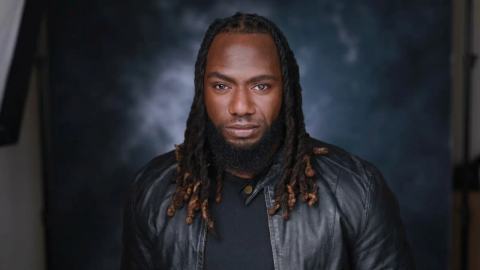
Digital creators such as Shank Comics belong to this broader entertainment landscape. Their careers illustrate how online platforms have expanded possible routes to recognition and income. Alongside traditional educational ambitions, these opportunities form part of an evolving conversation about talent, work and success in Nigeria.
Are you interested in learning how to write professionally and earn money as a writer and content creator? Contact Auxi Chat today to start your writing journey immediately.
Need a professional website in 72 hours? Contact Auxi Chat
If you have an article, opinion piece, event or news story you would like published, Global News Arena would love to hear from you.