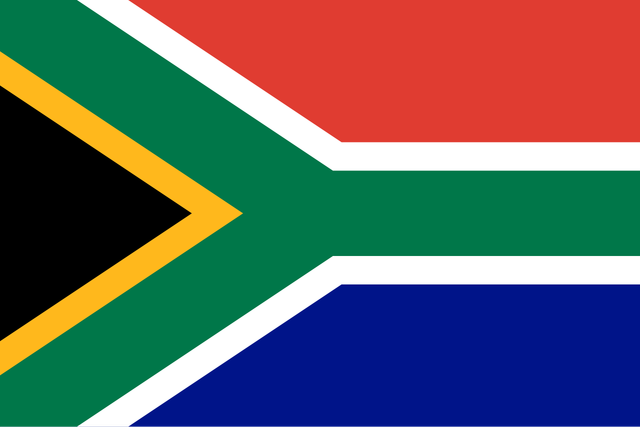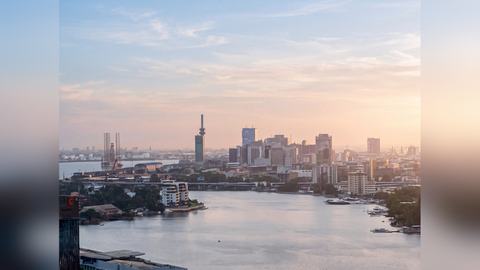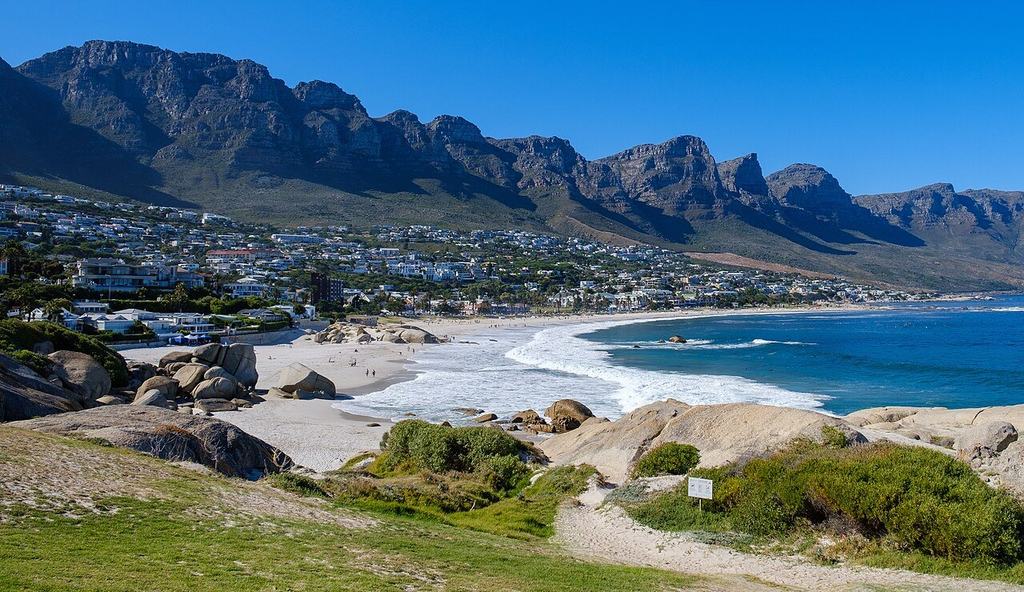
Cape Town stands on South Africa’s southwestern coast, where Table Mountain rises above a city built around a natural bay. The capital of the Western Cape province, it is a major centre for tourism, commerce, education and public life. Its harbour helped shape its beginnings, while its communities have given it a cultural identity that extends far beyond its famous scenery.
READ: South Africa: Biography, History and National Identity
Often called the Mother City, Cape Town occupies a distinctive place in the national story. It is the seat of South Africa’s Parliament and a place where the country’s achievements and inequalities remain visible side by side.
Landscape and identity
READ: Nigeria: Biography, History and Cultural Identity
Table Mountain is Cape Town’s defining landmark. Its flat summit, neighbouring Lion’s Head and nearby coastal slopes frame much of the urban landscape. Table Mountain National Park protects important natural areas along the Cape Peninsula, including the Cape of Good Hope.
The region forms part of the Cape Floristic Region, internationally recognised for its exceptional plant diversity. Fynbos vegetation is central to this environment, which supports many species found nowhere else.
Cape Town has a Mediterranean climate, with generally dry summers and wetter winters. Its beaches, mountain trails and proximity to the Cape Winelands help attract visitors, but the same landscape also makes conservation and careful land use lasting priorities.
From early settlement to colonial city
The Cape’s history began long before European settlement. Indigenous Khoikhoi pastoralists and San hunter-gatherers lived in the wider region, developing ways of life connected to its land and seasonal resources.
In 1652, the Dutch East India Company established a refreshment station at the Cape under Jan van Riebeeck. It supplied ships travelling between Europe and Asia. That station grew into a colonial settlement through expansion that displaced indigenous communities.
Enslaved people brought from parts of Africa and Asia became central to the settlement’s economy and society. Their experiences and cultural traditions profoundly shaped Cape Town’s food, languages, religious life and architecture.
British control followed during the era of imperial rivalry, becoming established in the early nineteenth century. Cape Town developed as a port and administrative centre, later taking its place within the Union of South Africa.
Apartheid, resistance and democracy
Apartheid imposed racial segregation on Cape Town’s neighbourhoods, institutions and daily life. Forced removals uprooted communities and pushed many residents away from central areas. District Six became one of the best-known examples of this destruction.
Robben Island, offshore in Table Bay, served as a prison for opponents of apartheid, including Nelson Mandela. It is now a museum and UNESCO World Heritage Site, preserving the history of imprisonment and resistance.
The democratic transition transformed Cape Town’s political life, but did not erase the geography of exclusion. Unequal access to housing, transport, employment and services remains an important part of understanding the city beyond its visitor attractions.
Culture, economy and enduring significance
READ: Lagos: Biography, History and Cultural Identity
Cape Town’s cultural life reflects African, Asian and European influences without fitting neatly into any single tradition. Afrikaans, English and isiXhosa are widely spoken. Neighbourhoods such as Bo-Kaap, alongside markets, museums and places of worship, reveal different layers of its shared history.
The economy includes tourism, financial and business services, trade, manufacturing and creative industries. Universities and research institutions contribute to education and innovation, while the port remains an important commercial gateway.
Water security, environmental protection and more inclusive urban development are continuing concerns. Cape Town’s enduring significance lies in this combination of natural richness, historical depth and unfinished social change. It is both an internationally recognised destination and a working city whose future depends on opportunities for its residents.
Are you interested in learning how to write professionally and earn money as a writer and content creator? Contact Auxi Chat today to start your writing journey immediately.
Need a professional website in 72 hours? Contact Auxi Chat
If you have an article, opinion piece, event or news story you would like published, Global News Arena would love to hear from you.