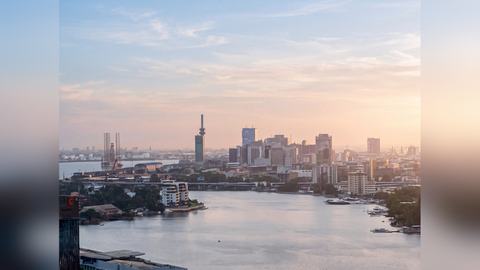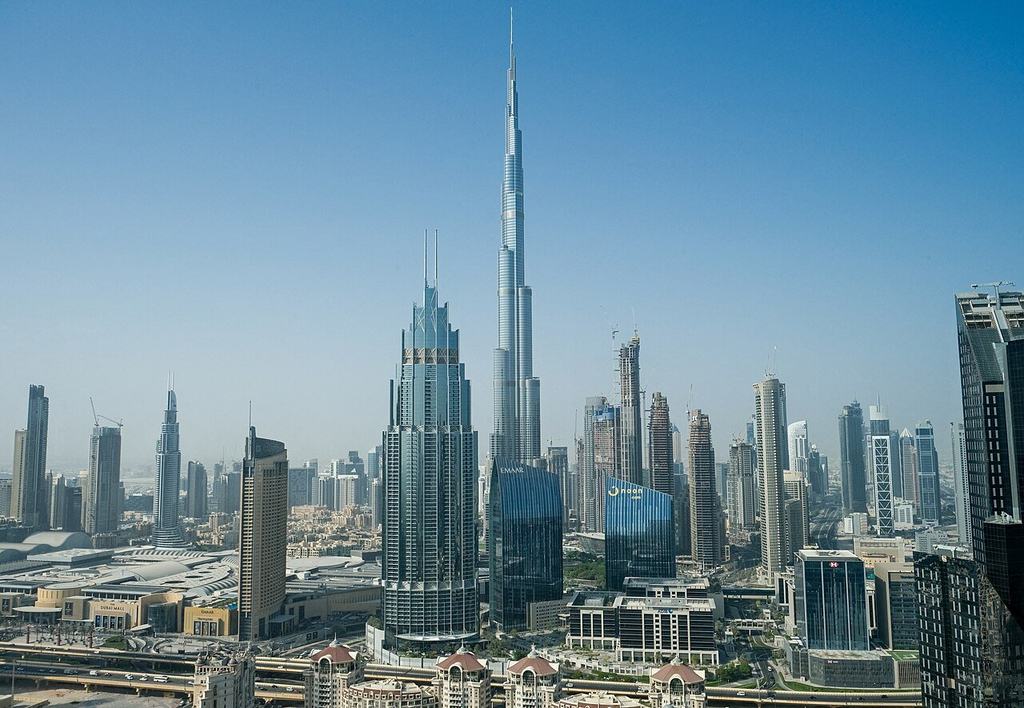
Dubai is both a city and one of the seven emirates that make up the United Arab Emirates. On the country's Gulf coast, it has become an international centre for trade, aviation, tourism and finance. Its skyline is famous, but its identity also rests on older connections to the sea, the desert and regional trading networks.
READ: Nigeria: Biography, History and Cultural Identity
Unlike Abu Dhabi, Dubai is not the national capital. Its global visibility comes instead from its commercial reach, major transport connections and ability to attract visitors and residents from across the world.
Origins and trading roots
READ: Nigeria: Biography, History and National Identity
Dubai's early growth centred on Dubai Creek, a natural inlet that provided a sheltered setting for maritime commerce. Fishing, pearl diving and trade supported the settlement long before high-rise buildings transformed its landscape.
The Al Maktoum family has ruled Dubai since 1833. Under successive rulers, the emirate developed a reputation as a trading hub, drawing merchants from neighbouring territories and across the Gulf. Its links with Iran, India and other Indian Ocean markets helped shape a commercially minded, culturally varied population.
Traditional markets, known as souks, remain an important part of that history. The gold, spice and textile trading areas around the creek preserve a connection to the exchange of goods that established Dubai's regional importance.
From oil discovery to global business
Oil was discovered in Dubai in the 1960s, providing revenue that helped finance infrastructure and public services. Dubai joined the federation that became the United Arab Emirates in 1971, placing its development within a new national framework.
Although oil accelerated its transformation, Dubai built an economy extending well beyond petroleum. Trade, property, hospitality, transport and financial services became central to its growth. Ports, airports and business districts strengthened its position between markets in Europe, Asia and Africa.
Jebel Ali Port became a major pillar of its logistics network, while Emirates airline helped establish Dubai as an international aviation hub. Free zones offered specialised settings for businesses, reinforcing the emirate's emphasis on attracting overseas investment and expertise.
This development brought dramatic changes to the city's scale and appearance. It also created a large international workforce, making migration a defining feature of contemporary Dubai.
Landmarks and visitor appeal
The Burj Khalifa, the world's tallest building, is Dubai's most prominent landmark. Other widely recognised sights include the sail-shaped Burj Al Arab hotel and Palm Jumeirah, an artificial archipelago associated with waterfront homes and resorts.
Dubai's appeal is not limited to architecture. Beaches, shopping centres, restaurants and desert excursions support its tourism industry. Luxury hotels and private resort settings have made it a familiar choice for couples and high-profile travellers seeking a holiday destination.
Older neighbourhoods offer a different perspective. The Al Fahidi Historical Neighbourhood features traditional architecture, including wind towers designed to help cool buildings. Abra boats still carry passengers across Dubai Creek, linking busy districts and offering a view of the waterfront that shaped the city.
Culture and everyday identity
READ: Nigeria: Biography, History and Cultural Influence
Dubai is deeply international, but its institutions and customs remain rooted in Emirati and Islamic traditions. Arabic is the official language, while English is widely used in business and daily life. Mosques, religious observances and traditions of hospitality remain central to its cultural setting.
Its diverse population is reflected in its food, shops and neighbourhoods. Visitors encounter Emirati cuisine alongside South Asian, Middle Eastern and many other culinary traditions. Respect for local laws and customs is an important part of understanding the destination.
Dubai's lasting significance lies in the contrast between continuity and reinvention. A settlement shaped by maritime trade has become a globally connected metropolis, while the creek, souks and desert remain essential to its story.
Are you interested in learning how to write professionally and earn money as a writer and content creator? Contact Auxi Chat today to start your writing journey immediately.
Need a professional website in 72 hours? Contact Auxi Chat
If you have an article, opinion piece, event or news story you would like published, Global News Arena would love to hear from you.