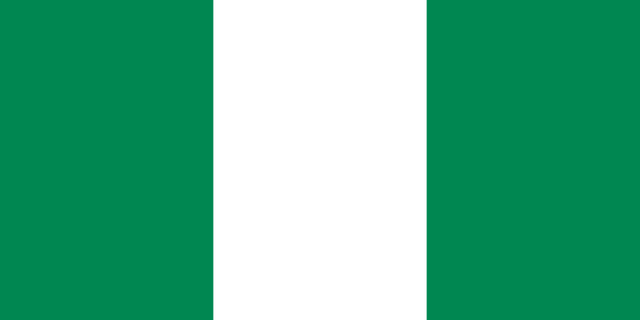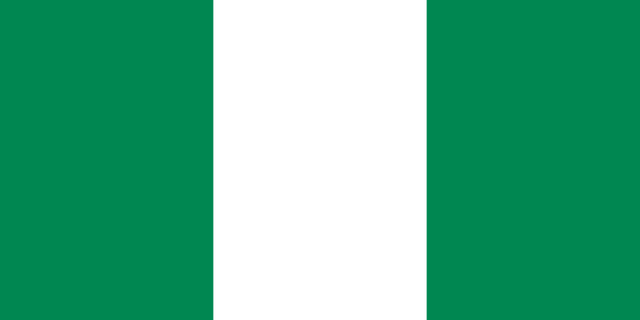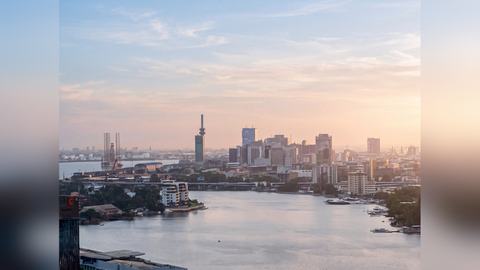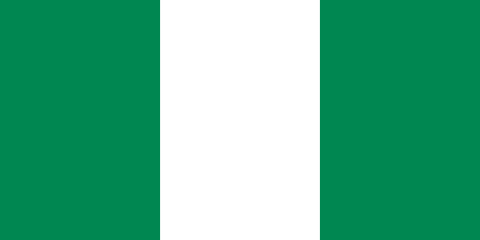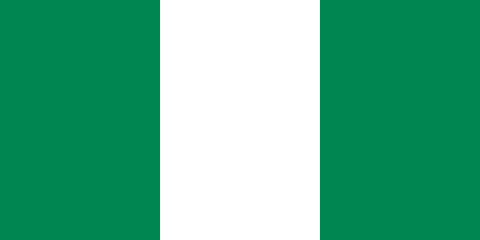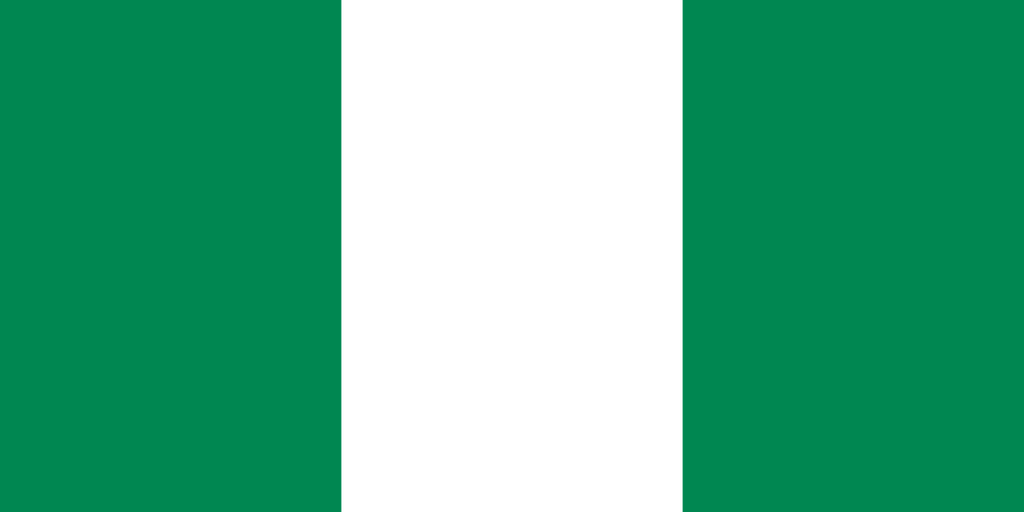
Nigeria is a West African country whose size, population and cultural reach give it an important place in African and international affairs. It borders Benin, Niger, Chad and Cameroon, with a southern coastline on the Gulf of Guinea. Abuja is the federal capital, while Lagos is its largest city and a leading commercial centre.
READ: Nigeria: Biography, History and Cultural Identity
Home to hundreds of ethnic groups and languages, Nigeria is not easily reduced to a single identity. English is the official language, while Hausa, Yoruba, Igbo and Nigerian Pidgin are widely used. Its national life reflects overlapping regional, religious and cultural traditions.
Nigeria: Historical Roots and Independence
READ: Nigeria: Biography, History and Cultural Influence
Long before colonial rule, the territory now called Nigeria contained kingdoms, empires, trading cities and other organised societies. These included the Oyo Empire, the Kingdom of Benin, the Hausa states and the Kanem-Bornu Empire. Their political systems, artistic traditions and trade networks helped shape the region.
British influence expanded through commerce, conquest and colonial administration. In 1914, Britain joined its northern and southern protectorates into a single colony. This administrative union established the framework of modern Nigeria, bringing diverse communities under one colonial government.
Nigeria gained independence on 1 October 1960 and became a republic in 1963. Its early years were marked by political rivalry and regional tensions. Military coups in 1966 were followed by a civil war from 1967 to 1970, after the eastern region declared independence as Biafra. The conflict caused immense suffering and left a lasting mark on national memory.
Government and Democratic Development
Nigeria is a federal republic comprising 36 states and the Federal Capital Territory. Its constitution provides for a president, a bicameral National Assembly and a judiciary. State governors and legislatures exercise authority alongside the federal government.
After decades in which military governments frequently interrupted civilian rule, Nigeria returned to elected civilian government in 1999. This established the Fourth Republic, the country’s longest continuous period of civilian government since independence.
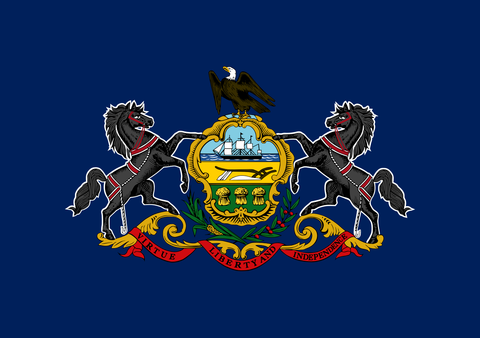
Like the United States, Nigeria has a presidential system and divides power between federal and state institutions. However, the two countries have distinct histories and political conditions. Nigeria’s colonial inheritance, periods of military rule and regional diversity are essential to understanding its institutions.
Elections are central to public life, but electoral credibility, corruption, judicial independence and government accountability remain recurring concerns. Civil society organisations, journalists, lawyers and citizens play important roles in demanding reform and scrutinising public power.
Economy and Everyday Challenges
Nigeria has one of Africa’s largest economies. Oil and natural gas are major sources of export earnings and government revenue, making the country sensitive to changes in global energy markets. Petroleum production is concentrated in the Niger Delta and offshore areas.
The economy extends well beyond oil. Agriculture supports many livelihoods, while trade, telecommunications, banking, manufacturing and technology contribute to economic activity. A large informal sector provides work and services across cities and rural communities.
Infrastructure gaps, unreliable electricity, unemployment and poverty constrain opportunity. Environmental damage in oil-producing areas and insecurity in parts of the country also affect daily life. These pressures coexist with considerable entrepreneurial energy and a substantial domestic market.
Culture and International Influence
READ: Nigeria: Biography, History and National Identity
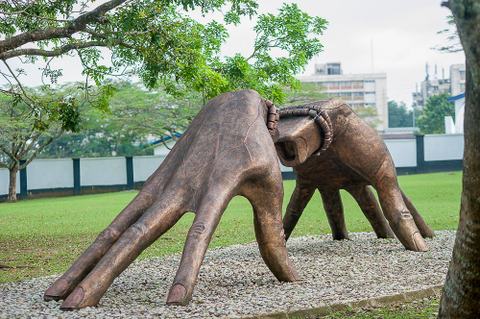
Nigerian literature, film and music have earned international recognition. Writers including Chinua Achebe and Nobel laureate Wole Soyinka helped bring Nigerian experiences to global audiences. Nollywood became a major film industry, while Nigerian musicians have helped drive the international popularity of Afrobeats.
Nigeria also plays a prominent role in the African Union, the Economic Community of West African States and the United Nations. Its diaspora strengthens cultural and commercial connections worldwide. Understanding Nigeria means recognising both its enduring difficulties and the creativity, diversity and civic ambition that shape its national story.
More from Global News Biography. Further reading: Nigeria on Wikipedia.
Are you interested in learning how to write professionally and earn money as a writer and content creator? Contact Auxi Chat today to start your writing journey immediately.
Need a professional website in 72 hours? Contact Auxi Chat
If you have an article, opinion piece, event or news story you would like published, Global News Arena would love to hear from you.