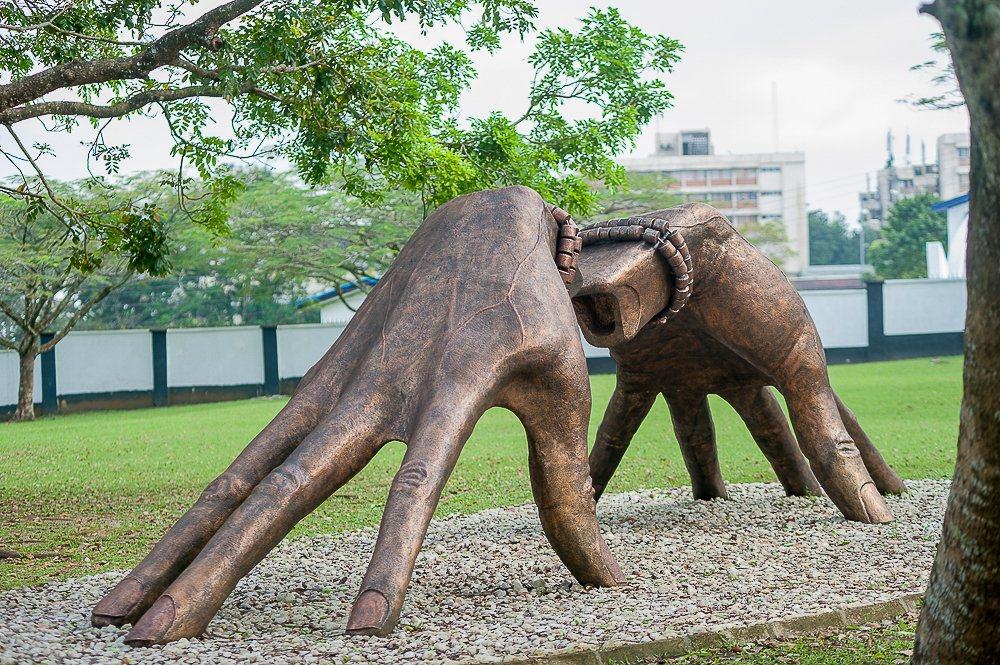
Calabar is the capital of Cross River State in southeastern Nigeria, close to the country's border with Cameroon. Set beside the Calabar River and near the Cross River estuary, it developed through connections between inland communities and Atlantic shipping routes.
READ: Cross River State: Biography, History and Culture
The city is widely associated with Efik heritage, hospitality and tourism. Yet its identity extends beyond its visitor attractions. Calabar is an administrative centre, an educational hub and a historic port whose story reflects the changing political and commercial life of southern Nigeria.
Origins and River Communities
READ: Nigeria: Biography, History and Cultural Influence
The name Old Calabar historically referred to a wider trading area rather than simply the boundaries of the modern city. Its waterfront settlements became important meeting points for African merchants and visiting European traders.
Efik communities played a central role in the growth of the port, particularly through settlements such as Duke Town and Creek Town. The area's history also includes the Qua and Efut peoples, whose traditions remain part of Calabar's social and cultural landscape.
Rivers provided transport, food and access to markets long before modern roads. Trading households and local institutions helped organise commerce and community affairs. The Ekpe society, an important institution among the Efik and neighbouring peoples, held social, ceremonial and regulatory responsibilities.
Trade and Colonial Rule
Calabar became a major centre of the Atlantic slave trade. Enslaved Africans were brought through regional trading networks and transported overseas from its waterways. This history is fundamental to understanding the city's prosperity in that period and the human suffering behind it.
As Britain's suppression of the Atlantic slave trade expanded during the nineteenth century, palm oil and other commodities became increasingly important to regional commerce. European commercial influence grew alongside missionary activity and British political intervention.
Calabar subsequently served as an important administrative centre under British colonial rule, including as the headquarters of the Southern Nigeria Protectorate before that role moved to Lagos. Its surviving colonial buildings reflect this period, although they tell only one part of the city's much longer history.
Scottish missionary Mary Slessor is closely associated with Calabar and its surrounding region. Her work included campaigning against the killing of twins, a practice found in some communities at the time. Her legacy remains visible in local public memory.
Culture, Food and Public Life
Efik language, traditional leadership, dress and ceremony remain prominent in Calabar. The Obong of Calabar is a significant traditional authority within Efik society, representing an institution with deep historical roots.
Food is another defining feature of the city's reputation. Dishes associated with Efik and neighbouring culinary traditions include edikang ikong and afang soups. Seafood, leafy vegetables and rich combinations of local ingredients reflect the surrounding river and forest environments.
The annual Calabar Carnival has become one of the city's best-known cultural attractions. Its street performances, costumes, music and dance draw visitors and contribute to Calabar's image as a tourism centre. Traditional celebrations and community ceremonies provide a different, equally important expression of local identity.
A Modern State Capital
READ: Nigeria: Biography, History and Cultural Influence
As the seat of the Cross River State government, Calabar supports public administration, commerce and services. The University of Calabar is a major educational institution, bringing students and academic activity into the city's everyday life.
The Calabar Museum preserves material connected with local history, trade and colonial administration. Historic neighbourhoods and waterfront areas also offer ways to understand how the city developed, beyond its formal monuments.
Calabar's enduring significance lies in these overlapping identities. It is both a living regional capital and a place of historical memory, where river commerce, indigenous institutions, colonial encounters and contemporary cultural expression continue to shape its character.
Are you interested in learning how to write professionally and earn money as a writer and content creator? Contact Auxi Chat today to start your writing journey immediately.
Need a professional website in 72 hours? Contact Auxi Chat
If you have an article, opinion piece, event or news story you would like published, Global News Arena would love to hear from you.