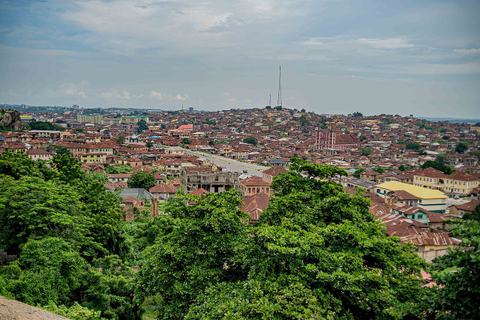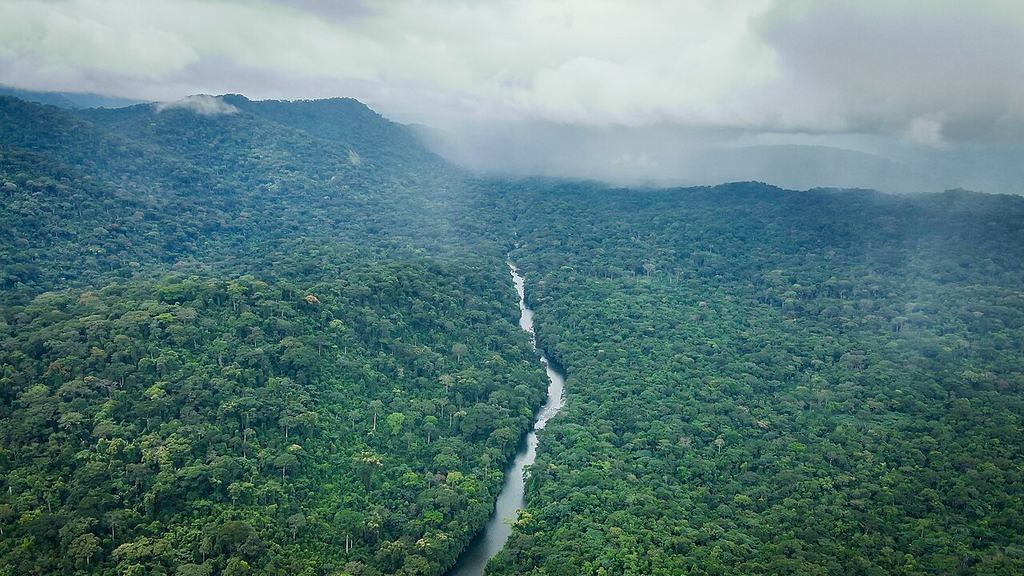
Cross River State is one of Nigeria’s 36 states and belongs to the country’s South South geopolitical zone. Situated along the border with Cameroon, it takes its name from the Cross River, a major waterway that has shaped settlement, commerce and everyday life across the region.
READ: Calabar: Biography, History and Its Cultural Heritage
Its capital, Calabar, is a historic port city associated with trade, education and cultural exchange. Beyond the capital, the state stretches through riverine communities, tropical forests, farming districts and the highlands of northern Cross River.
Origins and historical development
READ: Nigeria: Biography, History and Cultural Identity
The territory now called Cross River State was home to established communities and trading networks long before Nigeria’s modern administrative boundaries emerged. Coastal and river routes connected inland producers with merchants around the Cross River estuary.
Calabar became an important Atlantic trading centre. Its history includes participation in the transatlantic slave trade and the later expansion of palm oil commerce. During British colonial rule, it also served as an important administrative centre.
The modern state originated in 1967 as South-Eastern State, created from the former Eastern Region. It was renamed Cross River State in 1976. In 1987, Akwa Ibom State was carved out of it, producing the broad territorial arrangement that exists today.
Geography and natural environment
Cross River borders Benue State to the north, Ebonyi and Abia states to the west, and Akwa Ibom State to the southwest. Cameroon lies to the east, while its southern coastal area opens towards the Gulf of Guinea.
The landscape varies considerably. Mangrove and freshwater environments in the south give way to lowland rainforest and, farther north, elevated terrain around Obudu and the Cameroon border. These differences influence farming, transport and local patterns of settlement.
Cross River National Park protects important areas of tropical rainforest through its Oban and Okwangwo divisions. The wider region supports exceptional wildlife, including the critically endangered Cross River gorilla. Forest conservation remains important because habitat loss threatens both biodiversity and the resources used by neighbouring communities.
People, languages and culture
The state is culturally diverse rather than defined by a single ethnic identity. Its communities include the Efik, Ejagham, Bekwarra, Bette and Yala, among others. English is the official language, while Nigerian Pidgin and numerous indigenous languages are used in daily communication.
Efik heritage is especially prominent in Calabar and its surroundings. Traditional institutions, storytelling, music, dance and masquerade traditions remain significant across the state, although practices differ between communities.
Food is another important expression of identity. Dishes associated with the wider Cross River and neighbouring cultural region include afang soup and edikang ikong. Calabar Carnival has also become a prominent showcase for performance, costume and the city’s public cultural life.
Economy and public institutions
Agriculture is central to livelihoods, particularly outside Calabar. Farmers cultivate crops including cassava, yam, rice, cocoa and oil palm. Fishing, trading and small businesses also support households across the state.
Calabar concentrates government services, higher education, hospitality and commercial activity. The University of Calabar is one of its best-known institutions. The city’s port and associated business infrastructure reflect a longstanding ambition to connect regional production with wider markets.
Cross River has 18 local government areas. Like other Nigerian states, it has an elected governor and a state House of Assembly, with local councils providing another tier of administration.
READ: Nigeria: Biography, History and Digital Culture
Tourism and lasting identity
Recognised attractions include Obudu Mountain Resort, Agbokim Waterfalls and the historic sites of Calabar. Together, they illustrate the state’s combination of highland scenery, forest environments and urban heritage.
Cross River’s enduring identity rests on this variety. Its importance extends beyond tourism to the history of southeastern Nigeria, the cultural life of its communities and the protection of some of the country’s most valuable remaining forests.
Are you interested in learning how to write professionally and earn money as a writer and content creator? Contact Auxi Chat today to start your writing journey immediately.
Need a professional website in 72 hours? Contact Auxi Chat
If you have an article, opinion piece, event or news story you would like published, Global News Arena would love to hear from you.