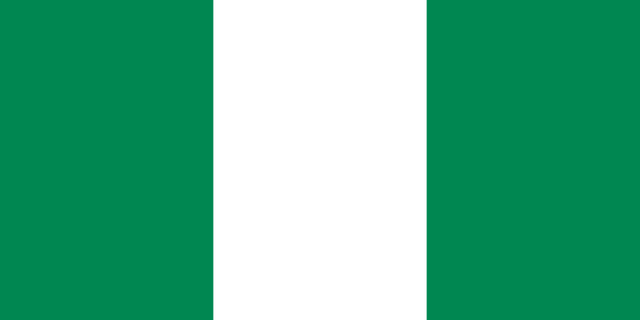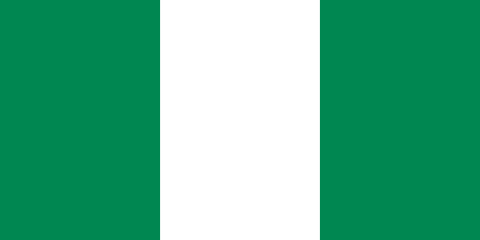
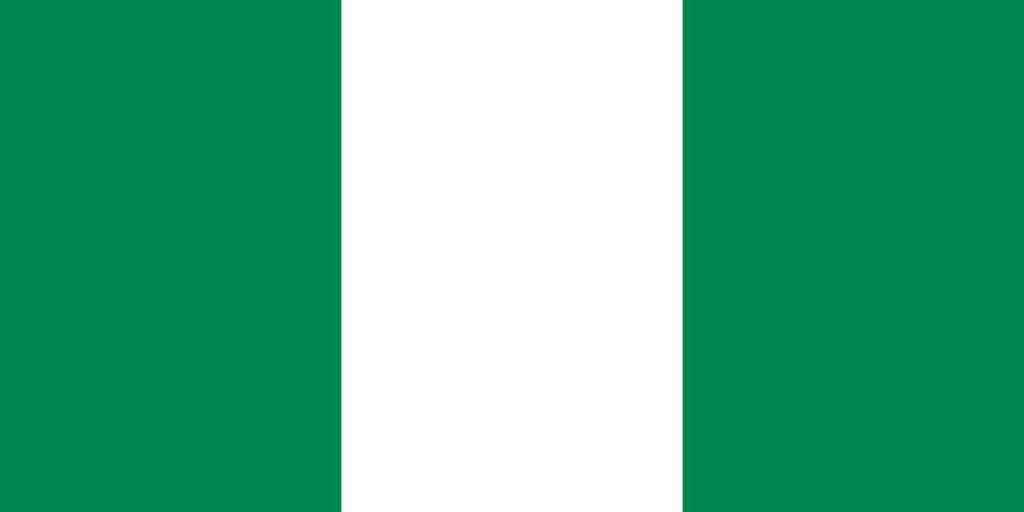
Nigeria is a West African country whose size, diversity and cultural influence give it a prominent place on the continent. It is Africa’s most populous nation and a major petroleum producer, but its identity extends far beyond oil. Farming, trade, technology, music and film all shape national life.
READ: Nigeria: Biography, History and Cultural Identity
Economic opportunity is a central part of Nigeria’s story. The country has a large domestic market and a strong tradition of entrepreneurship, alongside persistent poverty, uneven infrastructure and difficulty creating enough secure jobs. These pressures provide context for business support initiatives, including the motivation cited by Nigerian singer Davido.
Read: Do you need a professional writer in 72 hours? Contact Auxi Chat
Nigeria: Geography and national identity
READ: Nigeria: Biography, History and National Identity
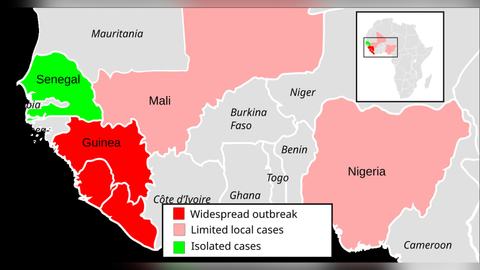
Nigeria borders Benin, Niger, Chad and Cameroon, with a southern coastline on the Gulf of Guinea. Its landscapes range from coastal wetlands and tropical forests to central grasslands and the drier north. The Niger and Benue rivers are major geographical features.
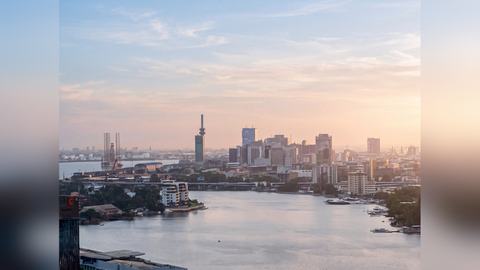
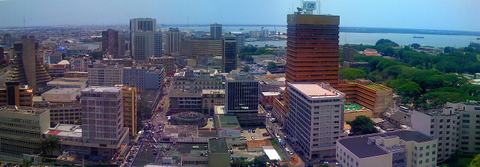
Abuja is the federal capital, while Lagos, the former capital, remains a leading commercial and cultural centre. Other important cities include Kano, Ibadan, Port Harcourt and Enugu. Nigeria is a federal republic made up of 36 states and the Federal Capital Territory.
Read: Need a professional website in 72 hours? Contact Auxi Chat
Hundreds of ethnic groups and languages contribute to its national identity. Hausa, Yoruba and Igbo are among the largest ethnic communities. English is the official language, while Nigerian Pidgin is widely used. Islam and Christianity are the principal religions, alongside indigenous religious traditions.
From historic societies to independence
Long before colonial rule, the territory now called Nigeria contained influential kingdoms, states and trading networks. These included the Benin Kingdom, the Oyo Empire, Hausa city-states and the Sokoto Caliphate. Their political systems, artistic traditions and commercial connections remain important to understanding the country.
British colonial administration brought diverse territories under a single framework. The Northern and Southern protectorates were amalgamated in 1914, creating the territorial foundation of modern Nigeria.
Nigeria gained independence from Britain on October 1, 1960, and became a republic in 1963. Its subsequent history included military coups, periods of military government and a devastating civil war from 1967 to 1970, following the attempted secession of Biafra.
Civilian government returned in 1999. Since then, elections, federal institutions and public debate have shaped political life, although governance, security and public trust remain significant challenges.
An economy of resources and enterprise
Oil and gas are central to Nigeria’s export earnings and public finances. Production is concentrated largely in the Niger Delta and offshore fields. Dependence on petroleum revenue has also exposed the country to changes in international energy prices.
Yet many Nigerians earn their livelihoods outside the oil industry. Agriculture supports rural communities, while markets, transport, manufacturing and services sustain businesses across the country. Small enterprises and informal work play a major role in household income.
Entrepreneurs often face unreliable electricity, expensive financing, transport difficulties and uncertain operating costs. Inflation and currency pressures can reduce purchasing power and make imported materials more costly. These conditions help explain why access to business capital matters, although funding alone cannot resolve deeper structural problems.
Culture and international influence
Nigeria’s cultural reach is global. Its film industry, widely known as Nollywood, has built audiences across Africa and beyond. Nigerian literature has also earned international recognition through writers including Chinua Achebe, Wole Soyinka and Chimamanda Ngozi Adichie.
READ: Nigeria: Biography, History and Cultural Influence
Music is another major source of influence. Fela Kuti helped establish Afrobeat, while later generations of artists, including Davido, have expanded the worldwide audience for Nigerian popular music.
Nigeria also plays an important role in African diplomacy through the African Union and the Economic Community of West African States. Its diaspora strengthens international connections in business, education, sport and the arts. Together, these networks reflect a country whose influence extends well beyond its borders.
More from Global News Biography. Further reading: Nigeria on Wikipedia.
Are you interested in learning how to write professionally and earn money as a writer and content creator? Contact us today to start your writing journey immediately.
Need a professional website in 72 hours? Contact us
Do you need a professional writer in 72 hours? Contact us
If you have an article, guest story, event or news tip you would like published, Global News Arena would love to hear from you.