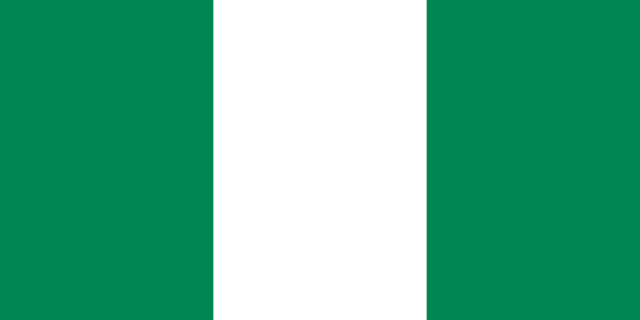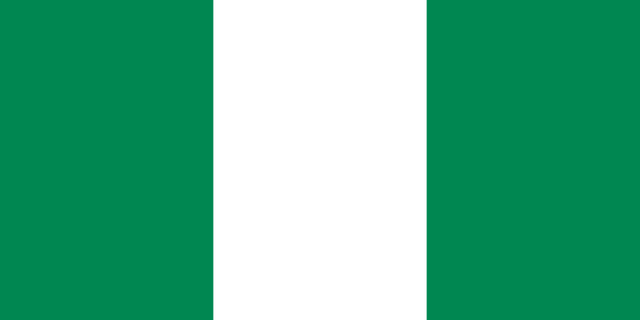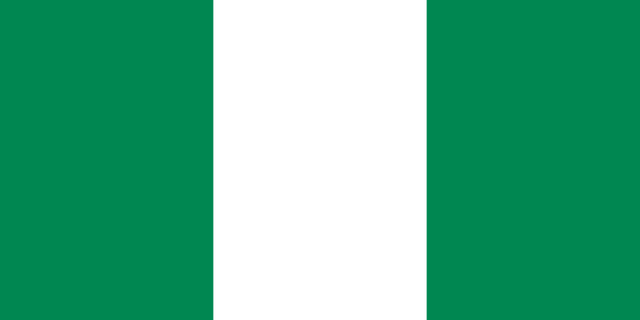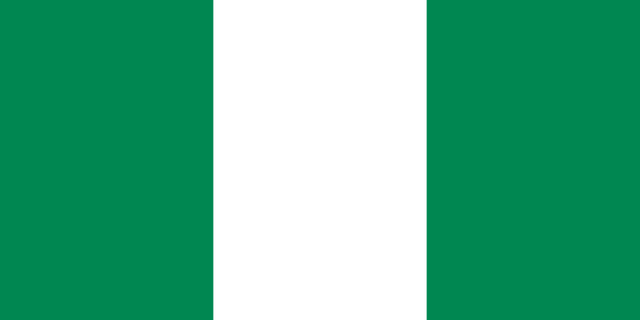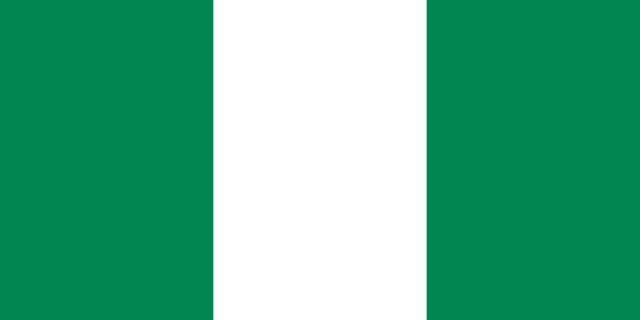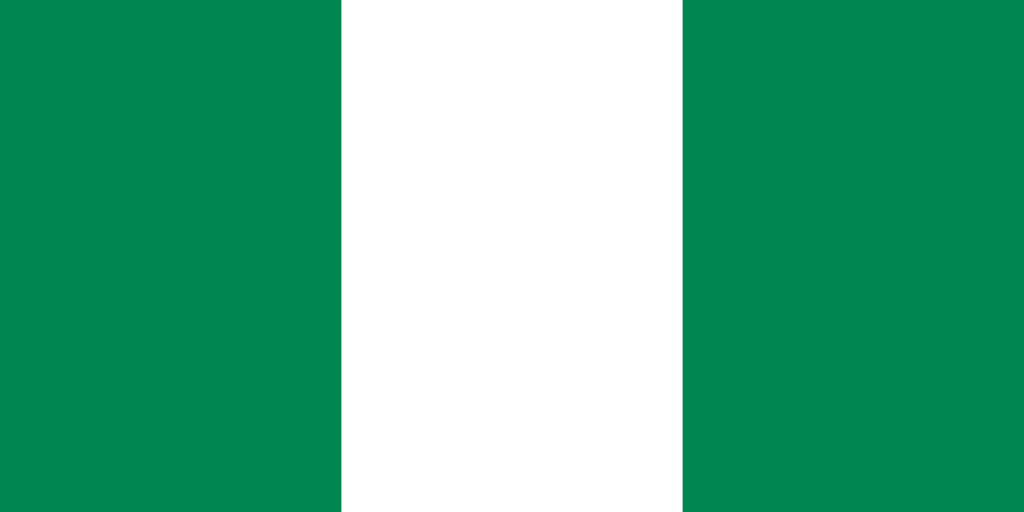
Nigeria is a West African country whose scale, diversity and cultural reach give it a prominent place on the continent. Officially the Federal Republic of Nigeria, it has Abuja as its capital and uses the naira as its currency. Lagos, the former capital, remains its leading commercial centre and a major hub for entertainment and enterprise.
READ: Nigeria: Biography, History and National Identity
Nigeria: Geography and People
Nigeria borders Benin, Niger, Chad and Cameroon, with a southern coastline on the Gulf of Guinea. Its landscapes range from coastal mangroves and tropical forests to central grasslands and the drier north. The Niger and Benue rivers meet at Lokoja, forming a central feature of the country’s geography.
READ: Nigeria: Biography, History and Cultural Identity
The population includes hundreds of ethnic groups. Hausa, Fulani, Yoruba and Igbo communities are among the largest, alongside many others with distinct languages and traditions. English is the official language, while Nigerian Pidgin is widely used in everyday communication.
Islam and Christianity are the principal religions, and indigenous beliefs also remain part of cultural life. Religious and ethnic identities often overlap with regional histories, but no single tradition defines the whole country.
Early Societies and Colonial Rule
The territory now called Nigeria supported complex societies long before colonial rule. The Nok culture is known for its terracotta sculptures. Later centres of power included the Hausa city-states, the Kanem-Bornu empire, the Oyo empire and the Kingdom of Benin. Ile-Ife became an important centre of Yoruba religious and artistic life.
Trade connected communities across the Sahara and along the Atlantic coast. The transatlantic slave trade caused profound disruption, while later commerce in palm oil and other goods helped draw the region further into European economic networks.
British control expanded during the nineteenth century. In 1914, Britain combined its northern and southern administrations into a single colonial entity called Nigeria. Colonial boundaries brought together peoples with different political systems, economies and experiences.
Independence and Government
Nigeria gained independence from Britain on October 1, 1960, and became a republic in 1963. Its early years were marked by political competition and regional tensions. Military coups in 1966 were followed by the Nigerian Civil War, fought from 1967 to 1970 after the eastern region declared independence as Biafra.
Military governments dominated much of the following period, interrupted by civilian rule. Nigeria returned to civilian government in 1999, establishing the constitutional framework of the Fourth Republic.
The country has 36 states and the Federal Capital Territory. Its federal system includes an elected president, a two-chamber National Assembly and state governments. Balancing national authority with regional interests remains a central feature of its politics.
Economy and Everyday Life
Nigeria has one of Africa’s largest economies. Petroleum and natural gas are important exports, but agriculture, trade, telecommunications, financial services and manufacturing also sustain livelihoods. Informal businesses play a substantial role in daily economic activity.
Oil wealth has brought revenue alongside environmental damage and disputes over resources, particularly in the Niger Delta. Infrastructure gaps, unreliable electricity and uneven access to opportunity have constrained development.
Markets, family networks, religious institutions and community associations shape everyday life. Food traditions vary widely, with dishes such as jollof rice, suya and egusi soup reflecting the country’s rich regional cuisines.
Culture and Global Influence
READ: Nigeria: Biography, History and Cultural Influence
Nigerian culture reaches audiences far beyond its borders. Nollywood is a major film industry, while Afrobeat and contemporary Afrobeats have helped establish Nigerian music internationally. Writers including Chinua Achebe and Nobel laureate Wole Soyinka have shaped world literature.
Football commands a large following, and Nigerian communities abroad contribute to business, scholarship and the arts. The country is also influential in the African Union and the Economic Community of West African States. Its identity continues to draw strength from both shared institutions and enduring local traditions.
More from Global News Biography. Further reading: Nigeria on Wikipedia.
Are you interested in learning how to write professionally and earn money as a writer and content creator? Contact Auxi Chat today to start your writing journey immediately.
Need a professional website in 72 hours? Contact Auxi Chat
If you have an article, opinion piece, event or news story you would like published, Global News Arena would love to hear from you.