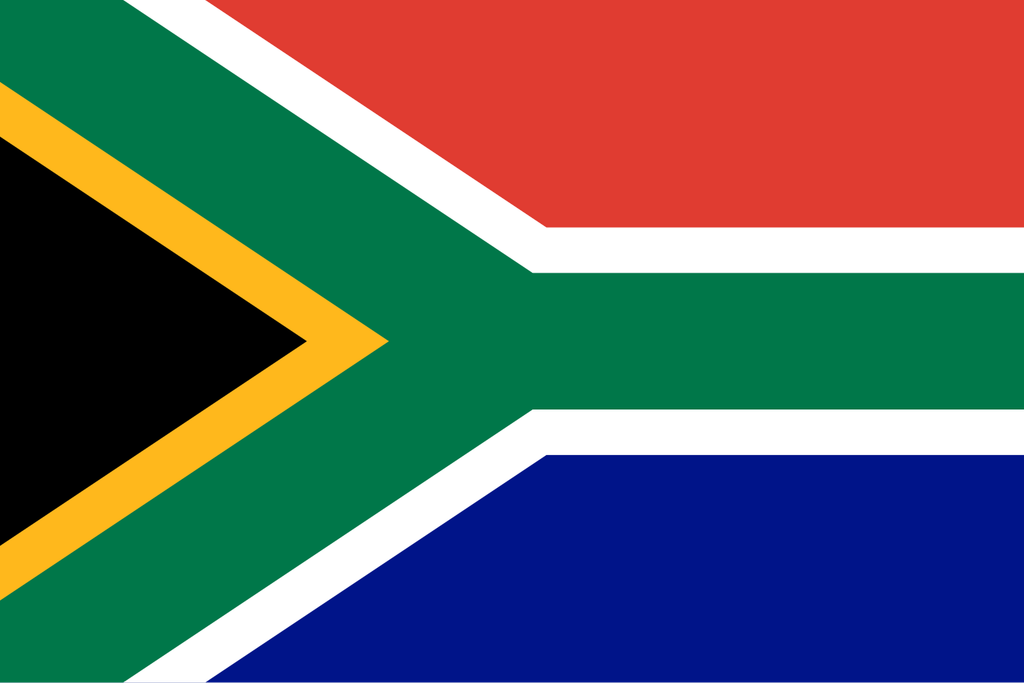
South Africa occupies the southern end of the African continent, with coastlines along the Atlantic and Indian oceans. Known for its varied landscapes, cultural traditions and transition from apartheid to democracy, it holds a distinctive place in modern world history.
READ: Lagos: Biography, History and Cultural Identity
Its identity combines deep African roots with the lasting effects of migration, colonial settlement and industrial development. The country is both a major African economic centre and a society still working to overcome profound historical inequalities.
Geography and national identity
READ: Nigeria: Biography, History and Cultural Influence
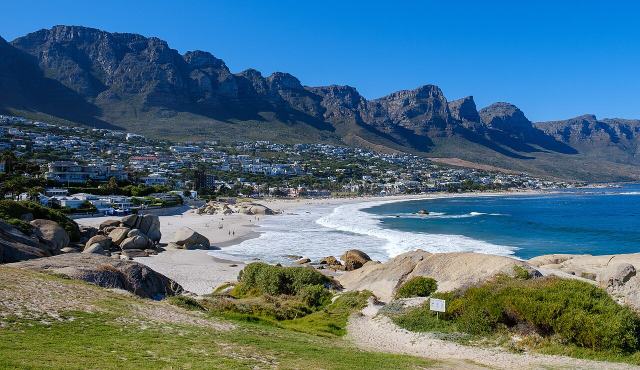
South Africa borders Namibia, Botswana, Zimbabwe, Mozambique and Eswatini, and completely surrounds the independent kingdom of Lesotho. Its landscapes range from the dry interior and open grasslands to mountain ranges, subtropical coastal areas and the distinctive vegetation of the Cape.
The country has three capitals with different functions: Pretoria is the administrative capital, Cape Town is the legislative capital and Bloemfontein is traditionally identified as the judicial capital. The Constitutional Court, the country's highest court, is in Johannesburg.
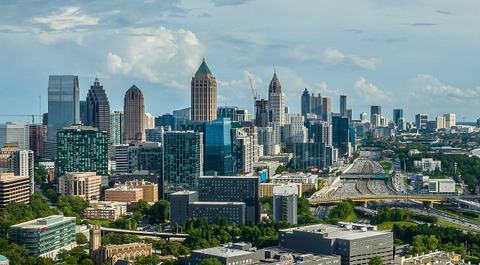
Johannesburg is a leading commercial centre, while Durban is an important port city. Cape Town is known internationally for Table Mountain, its historic harbour and its role in tourism and public life.
South Africa has 12 official languages, including isiZulu, isiXhosa, Afrikaans, English and South African Sign Language. This multilingual character reflects a population with varied histories, beliefs and cultural practices.
From early societies to apartheid
The region has a long human history, with important fossil sites contributing to the study of human origins. San and Khoekhoe communities formed part of its early societies, while Bantu-speaking communities established farming settlements and complex political systems over many centuries.
Dutch settlement at the Cape began in 1652, followed by expanding European colonial control and British rule. Colonial expansion brought dispossession, slavery, conflict and resistance, leaving lasting marks on land ownership and social relations.
The discovery of diamonds and gold in the nineteenth century transformed the economy. Mining encouraged urban growth and migration, while also strengthening systems of racial exclusion and exploitative labour.
The Union of South Africa was established in 1910. After coming to power in 1948, the National Party formalised apartheid, a system of racial segregation that restricted political rights, movement, residence and opportunity for the Black majority and other communities classified as non-white.
Democracy and public institutions
Resistance to apartheid involved political organisations, trade unions, community groups and individuals across generations. The African National Congress became a central force in the struggle, alongside other liberation movements and civic organisations.
Nelson Mandela's release from prison in 1990 marked a major step towards negotiations. In 1994, South Africa held its first national democratic elections with universal adult suffrage, and Mandela became president.
The Constitution adopted in 1996 established a democratic framework with a broad Bill of Rights. Parliament, the courts and independent institutions form part of the system intended to protect constitutional government and public accountability.
The Truth and Reconciliation Commission examined gross human rights violations committed during the apartheid era. Its work became an internationally recognised, though debated, example of confronting a violent past.
Economy, culture and global role
READ: Cape Town: Biography, History and Cultural Identity
South Africa has a diversified economy spanning mining, finance, manufacturing, agriculture and services. Tourism draws visitors to wildlife reserves, coastal destinations, wine-producing regions and heritage sites. Unemployment, inequality and uneven access to services remain major challenges.
Literature, music, visual art and sport give the country considerable cultural influence. Writers including Nadine Gordimer and J. M. Coetzee achieved international recognition, while rugby, football and cricket have broad followings.
As a member of the African Union, the United Nations, the G20 and BRICS, South Africa participates in regional and global diplomacy. Its democratic transformation remains central to its international identity, alongside the continuing task of making constitutional promises meaningful in everyday life.
Are you interested in learning how to write professionally and earn money as a writer and content creator? Contact Auxi Chat today to start your writing journey immediately.
Need a professional website in 72 hours? Contact Auxi Chat
If you have an article, opinion piece, event or news story you would like published, Global News Arena would love to hear from you.