The United States of America is a country primarily in North America, comprising 50 states, a federal district and several territories. Washington, D.C., is its capital, while New York City is its largest city. Its national identity draws on democratic ideals, cultural diversity and a history marked by both opportunity and exclusion.
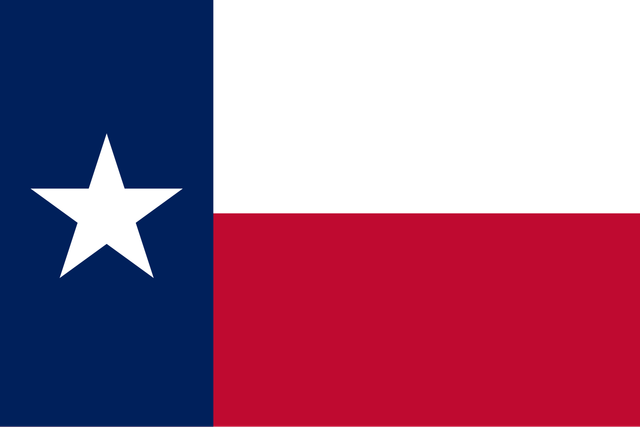
READ: Texas: Biography, History and Cultural Identity
The country spans landscapes ranging from Atlantic coastal cities and the Great Plains to western deserts and Pacific shores. Alaska extends into the Arctic, while Hawaii lies in the central Pacific. This geographic range has helped shape distinctive regional economies, traditions and political outlooks.
United states: Origins and national development
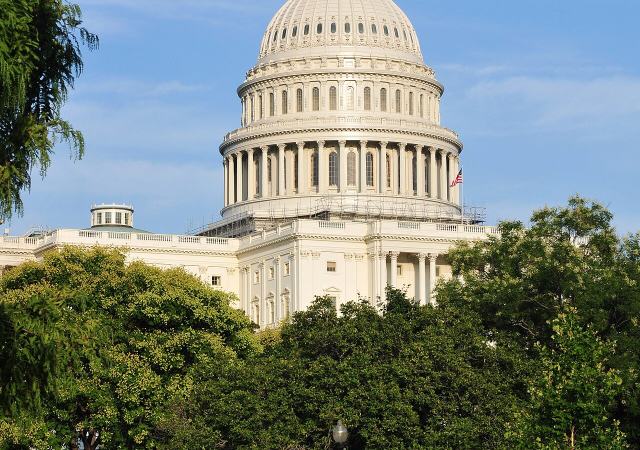
READ: Washington, D.C.: Biography, History and Civic Life
Indigenous peoples inhabited North America for thousands of years before European colonization. Their societies maintained varied languages, trading networks and systems of government. European settlement transformed the continent through migration, warfare, disease and the displacement of Native communities.
The United States emerged from 13 British colonies that declared independence in 1776. Victory in the Revolutionary War secured independence, and the Constitution established the framework of the federal government. Its first ten amendments, known as the Bill of Rights, set out protections for individual liberties.
Expansion across the continent brought economic growth alongside the forced removal of Indigenous peoples and conflict over slavery. The Civil War preserved the Union, and slavery was abolished through the Thirteenth Amendment. Reconstruction brought constitutional advances, but racial segregation and discrimination continued for generations.
Movements for civil rights, women's suffrage and labor protections later widened political participation and challenged entrenched inequality. These struggles remain essential to understanding the distance between the country's founding promises and the experiences of its people.
Government and elections
The United States is a constitutional federal republic. Authority is divided between the national government and the states, while the federal government has three branches: executive, legislative and judicial. The president leads the executive branch, Congress makes federal laws, and the courts interpret the law.
Congress consists of the Senate and the House of Representatives. Each state has two senators, while House representation is apportioned by population. The Supreme Court is the country's highest court and plays a major role in constitutional interpretation.
Presidents are chosen through the Electoral College rather than a direct nationwide popular vote. States administer elections under state and federal rules. The Democratic and Republican parties dominate national politics, although independent candidates and smaller parties also participate.
Economy, society and culture
The United States has one of the world's largest economies, with major strengths in technology, finance, manufacturing, agriculture and services. The dollar holds a central position in international trade and finance, while American companies and universities have contributed substantially to scientific research and innovation.
Immigration has profoundly influenced the country's population, food, languages and religious life. English is the most widely spoken language, and Spanish is also widely used. Regional identities coexist with a broader national culture, producing considerable variety across cities, suburbs, rural communities and tribal lands.
American music, film, television, literature and sports have audiences worldwide. Jazz, blues and hip-hop reflect especially influential contributions from Black American communities. Hollywood and the country's digital media industries have helped spread American cultural products internationally.
Global role and enduring questions
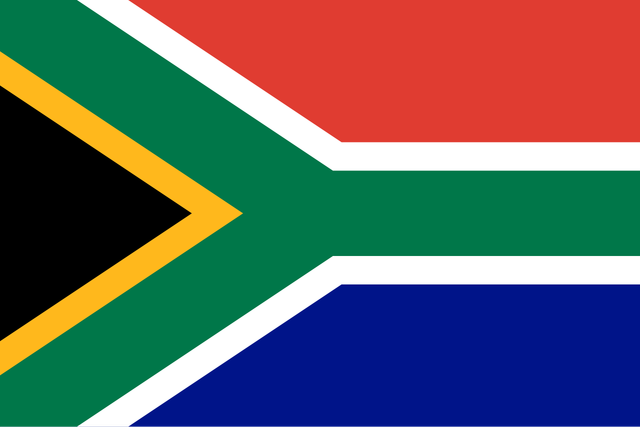
READ: South Africa: Biography, History and National Identity
The United States became a leading global power through industrial growth and its involvement in the two world wars. It was a founding member of the United Nations and NATO, and maintains extensive diplomatic, commercial and security relationships.
Its influence exists alongside continuing debates over immigration, inequality, race, federal authority and international responsibility. The country's enduring story is one of institutions and ideals repeatedly tested, defended and reshaped by its people.
More from Global News Biography. Further reading: United states on Wikipedia.
Are you interested in learning how to write professionally and earn money as a writer and content creator? Contact Auxi Chat today to start your writing journey immediately.
Need a professional website in 72 hours? Contact Auxi Chat
If you have an article, opinion piece, event or news story you would like published, Global News Arena would love to hear from you.