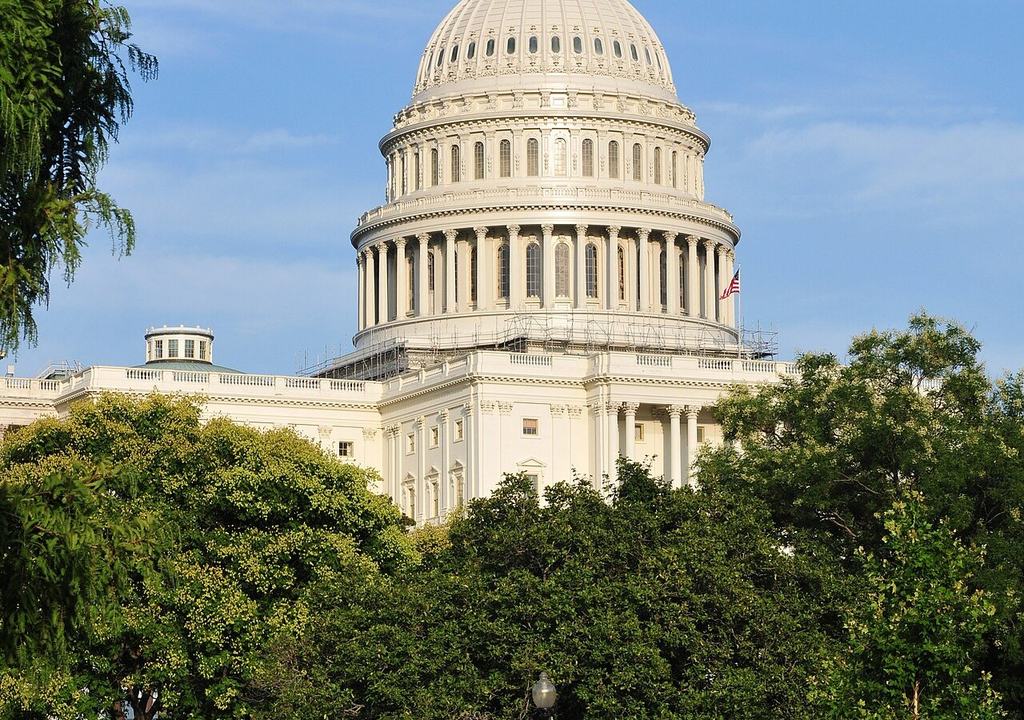
Washington, D.C., occupies a unique place in American life. It is the seat of the federal government, home to the White House, the Capitol and the Supreme Court. It is also a city of neighborhoods, universities, businesses and cultural institutions, where daily life extends well beyond national politics.
READ: United States: Biography, History and National Identity
The initials D.C. stand for District of Columbia. Unlike the country's states, the district has a special constitutional status that shapes its government and its residents' relationship with Congress.
Washington, d.c.: Origins and Early Development
READ: Texas: Biography, History and Cultural Identity
The capital grew from a constitutional provision allowing a separate district to serve as the seat of national government. The Residence Act of 1790 established the framework for locating it along the Potomac River. President George Washington selected the site, and the city was named in his honor.
Maryland and Virginia originally contributed land to the federal district. The Virginia portion was later returned, leaving the present district on the Maryland side of the Potomac.
Pierre Charles L'Enfant developed the initial plan for the capital, combining a street grid with broad diagonal avenues and prominent public spaces. That design helped create the monumental setting associated with Washington.
The federal government moved to Washington in 1800. During the War of 1812, British forces burned major public buildings, including the Capitol and the president's residence. Their rebuilding reinforced the city's role as the permanent national capital.
Government and Representation
Washington is both a national seat of power and a local community with its own elected leadership. The mayor oversees the district's executive branch, while the Council of the District of Columbia serves as its legislature.
Modern home rule developed through legislation enacted in 1973. However, Congress retains significant authority over district affairs, including the power to review local laws. This arrangement makes Washington's political structure different from that of any state.
District residents vote in presidential elections under the 23rd Amendment. They also elect a delegate to the House of Representatives, but they do not have voting senators or the same congressional voting representation as state residents.
The district also elects shadow representatives who advocate for statehood. These positions are distinct from council seats and do not carry voting power in Congress. Representation and local autonomy remain central themes in Washington's civic identity.
Neighborhoods, Culture and Community
Beyond its federal buildings, Washington contains communities with distinct histories. Georgetown predates the national capital, while neighborhoods such as Shaw, Anacostia and Capitol Hill reflect different chapters of the city's development.
African American residents and institutions have profoundly shaped Washington. Howard University is a major center of education and scholarship, and the U Street corridor has long been associated with Black cultural life and music. The city is also the birthplace of go-go, a percussion-driven musical tradition closely tied to local identity.
Washington has been a major setting for civil rights activism, including the 1963 March on Washington. Its public spaces continue to serve as places where Americans assemble, protest and debate the country's direction.
Landmarks and Lasting Significance
The National Mall connects many of Washington's best-known monuments and museums. The Lincoln Memorial, Washington Monument and Smithsonian museums make the city a major destination for visitors seeking to understand American history.
READ: Pennsylvania: Biography, History and State Identity
Federal employment, diplomacy, education, tourism and professional services all contribute to the local economy. Embassies and international organizations give Washington a global character, while its universities draw students and researchers from around the world.
Washington's enduring significance lies in this combination of national symbolism and local experience. It is a place where the United States governs itself, remembers its past and confronts questions about democracy, citizenship and representation.
More from Global News Biography. Further reading: Washington, d.c. on Wikipedia.
Are you interested in learning how to write professionally and earn money as a writer and content creator? Contact Auxi Chat today to start your writing journey immediately.
Need a professional website in 72 hours? Contact Auxi Chat
If you have an article, opinion piece, event or news story you would like published, Global News Arena would love to hear from you.